Introduction: Your Diet Is the Heart’s First Line of Defence
Your heart beats nearly 100,000 times each day, quietly working to keep you alive. Yet, in a fast-paced world filled with processed food, high stress, and limited activity, heart disease remains one of the top global killers.
However, here’s the empowering truth: up to 80% of heart disease is preventable, according to the World Health Organisation (WHO). The key isn’t found in expensive medications or fad diets; it’s in your kitchen.
The right foods can help lower cholesterol, reduce inflammation, balance blood pressure, and support artery health. What you eat directly determines how well your heart performs.
In Pre-Workout Nutrition: What to Eat for Energy, we explored how food fuels your body for performance. Today, we’ll dive deeper into how smart nutrition can protect your heart for a lifetime. And in The Link Between Nutrition and Prevent Cancer Naturally, we’ll look at how diet can help guard against another major chronic disease.
Understanding the Connection Between Diet and Heart Disease
Heart disease usually starts with damage to the inner walls of your arteries, often caused by high cholesterol, high blood pressure, smoking, or chronic inflammation. Over time, fatty deposits (plaques) accumulate and restrict blood flow, leading to heart attacks or strokes.
Food plays a pivotal role in every stage of this process. Certain nutrients like omega-3 fatty acids, fiber, and antioxidants act like internal shields, protecting your arteries and improving blood circulation.
The American Heart Association (AHA) confirms that people who follow a heart-healthy diet reduce their risk of cardiovascular disease by 30–40% compared to those who eat a standard Western diet.
1. Oats Nature’s Cholesterol Sponge
Oats are among the most studied foods for heart health. Their soluble fiber, beta-glucan, forms a gel-like substance in the gut that traps LDL (“bad”) cholesterol and carries it out of the body.
Science-backed benefits:
- Lowers LDL cholesterol by up to 10%.
- Improves insulin sensitivity.
- Supports healthy weight management.
Eat it like this:
Start your morning with oatmeal topped with berries and flaxseeds, or add oats to smoothies for extra fiber.
2. Fatty Fish The Omega-3 Hero
Fish like salmon, mackerel, sardines, and tuna are loaded with omega-3 fatty acids, which reduce triglycerides, lower inflammation, and prevent blood clots.
Research:
A Harvard Health study found that people who eat two servings of fatty fish weekly have a 35% lower risk of dying from heart disease.
Tip:
Grill or bake fish instead of frying, and for vegetarians, try flaxseed oil, walnuts, or chia seeds.
3. Berries: Tiny Fruits, Huge Impact
Berries are packed with anthocyanins, antioxidants that improve blood vessel elasticity and reduce inflammation. They also help control blood pressure and sugar levels.
Best picks: Blueberries, blackberries, strawberries, and raspberries.
Add to: Smoothies, oatmeal, or yogurt.
Study highlight:
Women who consumed berries three times per week had a 32% lower risk of heart attack, according to Harvard research.
4. Nuts and Seeds Small Snacks, Strong Arteries
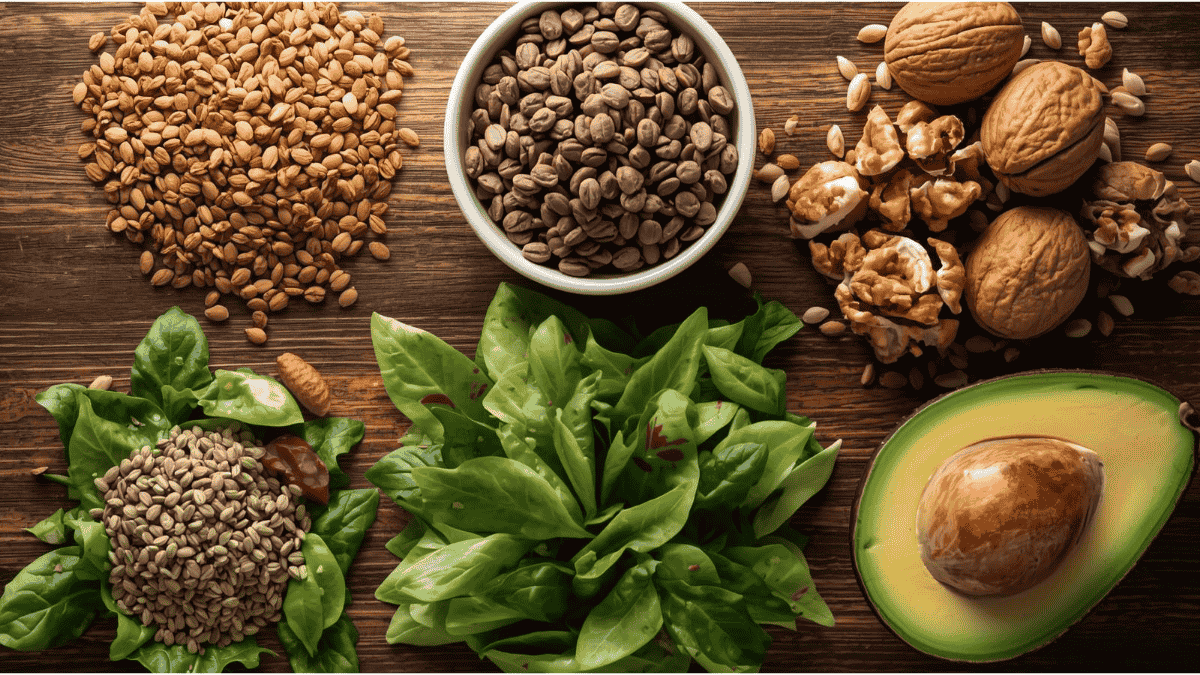
Nuts like walnuts and almonds contain heart-protective omega-3 fatty acids, magnesium, and vitamin E. They lower LDL cholesterol and stabilise heart rhythms.
Fun fact:
Just a handful of nuts daily can reduce heart disease risk by 20%.
Choose wisely:
Go unsalted, unroasted, and eat in moderation (30g/day).
5. Leafy Greens: The Heart’s Natural Cleansers
Spinach, kale, mustard greens, and Swiss chard are loaded with nitrates, which help blood vessels relax, improving circulation and lowering blood pressure.
Nutrients to note: Folate, potassium, and magnesium are all vital for heart rhythm regulation.
Smart tip:
Pair leafy greens with olive oil to boost nutrient absorption.
6. Olive Oil: The Mediterranean Secret to Longevity
Olive oil has earned its title as “liquid gold” for the heart. It’s rich in monounsaturated fats and polyphenols that reduce inflammation and improve cholesterol balance.
Evidence:
The PREDIMED study showed that the Mediterranean diet high in olive oil, nuts, and vegetables, reduced major heart events by 30%.
Use:
Drizzle over salads, roast vegetables, or use as a butter alternative.
7. Avocados Creamy and Cardioprotective
Avocados are rich in potassium, fiber, and heart-healthy monounsaturated fats that lower LDL cholesterol without affecting HDL.
Harvard insight:
Eating one avocado a day improves LDL levels in overweight adults.
Add to: Whole-grain toast or salads instead of cheese or butter.
8. Legume Protein Without the Heart Strain
Beans, lentils, and chickpeas are full of plant protein and soluble fiber, which lower LDL cholesterol and improve insulin control.
AHA research:
Replacing red meat with legumes four times a week lowers heart disease risk by 15%.
Pro Tip:
Include lentils or beans in curries, soups, or wraps.
9. Whole Grains Energy with Heart Benefits
Whole grains like brown rice, quinoa, barley, and oats reduce cholesterol, regulate blood sugar, and improve gut microbiome health.
Fact:
A diet high in whole grains reduces heart disease risk by 20%, according to Mayo Clinic.
Eat: Choose “100% whole grain” on food labels.
10. Tomatoes: The Lycopene Powerhouse
Tomatoes are packed with lycopene, a potent antioxidant that prevents oxidation of LDL cholesterol and keeps arteries flexible.
Pro Tip:
Cooking tomatoes with olive oil enhances lycopene absorption by 50%.
11. Dark Chocolate Sweet News for Your Heart
Dark chocolate (70% cocoa or higher) contains flavonoids that improve blood flow, reduce stress, and lower blood pressure.
Moderation matters:
Limit to 1–2 small squares daily.
Science:
A 2019 European Heart Journal study found that moderate dark chocolate consumers had a 27% lower risk of cardiovascular disease.
12. Green Tea The Antioxidant Shield
Green tea’s catechins reduce LDL cholesterol and blood pressure while improving artery flexibility.
Drink: 2–3 cups per day, unsweetened.
Bonus: It also aids fat metabolism and reduces stress.
Other Nutrients That Support Heart Health
- Magnesium: Prevents irregular heartbeats and supports blood pressure.
- Potassium: Balances sodium levels.
- Vitamin D: Supports vascular health.
- Coenzyme Q10 (CoQ10): Protects heart muscle cells from oxidative damage.
Foods to Avoid for Heart Protection
| Avoid | Why | Healthier Alternative |
|---|---|---|
| Fried foods | Contain trans fats | Baked or air-fried versions |
| Processed meats | High in sodium and nitrates | Grilled chicken, lentils |
| Sugary drinks | Raise triglycerides | Infused water, green tea |
| Refined carbs | Cause blood sugar spikes | Whole grains |
| Packaged snacks | High in sodium | Homemade trail mix |
Sample One-Day Heart-Healthy Diet Plan
| Meal | Example | Key Nutrients |
|---|---|---|
| Breakfast | Oats with blueberries and walnuts | Fiber + antioxidants |
| Snack | Handful of almonds | Healthy fats |
| Lunch | Grilled salmon, brown rice, and greens | Omega-3s + whole grains |
| Evening Snack | Green tea + dark chocolate | Flavonoids |
| Dinner | Lentil soup with spinach salad | Plant protein + nitrates |
Lifestyle Factors That Amplify a Heart-Healthy Diet
- Exercise: 30 minutes daily of brisk walking or light cardio.
- Sleep: 7–8 hours per night improves heart rate variability.
- Stress management: Meditation, yoga, or breathing exercises.
- Quit smoking: It doubles your risk of heart disease.
Research Highlights
- WHO (2024): Balanced diets with fruits and vegetables reduce cardiovascular mortality by 40%.
- Harvard Health: Replacing refined carbs with whole grains lowers heart attack risk.
- AHA: Reducing sodium by 1,000 mg per day lowers blood pressure within 2 weeks.
Conclusion: Small Changes, Stronger Heart
The path to a healthy heart begins with what’s on your plate. You don’t need radical diets, just consistent, thoughtful choices.
Each bowl of oats, each drizzle of olive oil, and each handful of nuts adds up over time, protecting your arteries and powering your life.
Start small, eat consciously, and make every meal an investment in longevity.
In The Link Between Nutrition and Prevent Cancer Naturally, we’ll explore how many of these same foods play a powerful role in reducing cancer risk.
Disclaimer
This article is for educational purposes only. Always consult a healthcare professional or registered dietitian before making significant dietary changes, especially if you have pre-existing conditions.
30 FAQs About Heart-Healthy Foods
Q1. Can food really prevent heart disease?
Yes, diet significantly influences cholesterol, blood pressure, and inflammation.
Q2. What’s the best diet for heart health?
The Mediterranean or DASH diet.
Q3. How much fish should I eat weekly?
At least two servings of fatty fish.
Q4. Are eggs bad for the heart?
No, in moderation, they’re safe.
Q5. Can I drink coffee daily?
Yes, 1–2 cups can benefit heart function.
Q6. What are good snacks for heart health?
Nuts, seeds, fruit, or yogurt.
Q7. Do vegetarian diets support heart health?
Yes, if balanced with protein and B12.
Q8. What oils should I use?
Olive, mustard, or avocado oil.
Q9. Can red wine help the heart?
In moderation, due to antioxidants.
Q10. Should I avoid salt completely?
No, but keep it under 2,300 mg/day.
Q11. Are avocados good for cholesterol?
Yes, they raise HDL and lower LDL.
Q12. Is dark chocolate really healthy?
Yes, if it’s 70% cocoa or more.
Q13. What fruits are best for the heart?
Berries, oranges, and pomegranates.
Q14. Can stress affect heart health?
Absolutely, it raises blood pressure.
Q15. How does fiber help?
It removes cholesterol and supports digestion.
Q16. Can fasting benefit heart health?
Intermittent fasting can improve blood sugar control.
Q17. Is milk safe for heart patients?
Low-fat or plant-based options are best.
Q18. Can supplements replace food?
No, real foods offer synergistic benefits.
Q19. What is the worst food for your heart?
Anything with trans fats.
Q20. How much exercise helps?
150 minutes weekly of moderate activity.
Q21. Are smoothies heart-healthy?
Yes, if low in added sugar.
Q22. Can heart disease run in families?
Yes, but diet still lowers genetic risk.
Q23. Are canned foods harmful?
If high in sodium or preservatives, yes.
Q24. Should I take omega-3 supplements?
If you don’t eat fish, ask your doctor.
Q25. Can I eat rice daily?
Yes, prefer brown or red rice.
Q26. Is cheese good for the heart?
In small amounts, avoid processed ones.
Q27. Does green tea lower cholesterol?
Yes, its catechins help manage LDL.
Q28. What’s better, butter or olive oil?
Olive oil is far healthier.
Q29. Can dehydration affect the heart?
Yes, it strains circulation.
Q30. How soon can diet changes improve heart health?
Benefits appear within 4–6 weeks of consistency.