Introduction: How to Prevent Cancer Naturally

Cancer is one of our most feared diseases of our time, but science continues to prove that our daily food choices play a major role in prevention. No single food will protect you, but a steady diet of foods high in antioxidants, fiber, and plant nutrients can significantly reduce your risk of certain cancers.
According to the World Health Organization (WHO), diet and lifestyle can prevent nearly 30-40% of cancers. Every day, the food choices you make can either nourish disease or combat it.
In Foods That Help Prevent Heart Disease, we explored how nutrition protects cardiovascular health. Today we’re going to focus on cancer prevention and look at foods that have good research behind their protective properties.
In our Nutrition Tips for Healthy Aging and Longevity we’ll learn how these same foods can slow the aging process and improve lifespan.
The Link Between Nutrition and Prevention of Cancer Naturally
Cancer is a disease that happens when cells start to grow out of control, usually because of damage to DNA, chronic inflammation, or exposure to toxins.
The National Cancer Institute (NCI) notes that diet affects all three of these processes. Antioxidants fight free radicals that can damage cells, while fiber helps remove toxins and keeps gut bacteria healthy.
In short, a healthy diet can lower inflammation, boost your immune system, and stop early cancer growth.
1. Cruciferous Vegetables: Pure Detoxifiers | Prevent Cancer Naturally
Glucosinolates, which activate the body’s natural detox enzymes and may slow the growth of cancer cells, are found in broccoli, cauliflower, cabbage, and kale.
Research Perspective:
Eating cruciferous vegetables at least three times a week lowers the risk of lung, breast, and colon cancers, according to research from Harvard.
Steam food lightly to preserve nutrients. This is the best way to eat.
2. Berries: Antioxidant Powerhouse | Prevent Cancer Naturally
Anthocyanins and ellagic acid, which are abundant in berries like blueberries, strawberries, and raspberries, help stop cell mutation.
How it works: Antioxidants in berries fight free radicals that can damage DNA.
Pro Tip: Add mixed berries to yogurt, smoothies, or salads daily.
3. Tomatoes: Nature’s Best Lycopene Source | Prevent Cancer Naturally
Tomatoes are full of lycopene, a carotenoid linked to a lower risk of prostate, lung, and stomach cancers.
Study: Men who ate tomato-based foods five times a week had a 30 percent lower risk of prostate cancer.
Eat it like this: Cooked or blended tomatoes (like sauce or soup) increase lycopene absorption.
4. Garlic and Onions: Natural Antibiotics | Prevent Cancer Naturally
Both have organosulfur compounds that may prevent the growth of cancer cells and improve immune function.
Evidence:
According to the European Journal of Cancer Prevention, high garlic intake is associated with a lower risk of stomach and colorectal cancer.
Tip: Use raw garlic in dressings or sauté it lightly to keep its benefits.
5. Green Tea: The Antioxidant Elixir | Prevent Cancer Naturally
Catechins (especially EGCG) in green tea prevent tumor growth and block the formation of new blood vessels that feed cancer cells.
Recommendation: 2-3 cups daily may offer protective benefits.
Bonus: It also aids brain function and heart health.
6. Leafy Greens: DNA Protectors | Prevent Cancer Naturally
Spinach, kale, and collard greens are high in folate and carotenoids, which help repair damaged DNA and reduce oxidative stress.
Why it matters: Protecting DNA is important in stopping mutations that can cause cancer.
7. Turmeric: The Golden Anti-Inflammatory | Prevent Cancer Naturally
Turmeric has curcumin, one of the most potent natural anti-inflammatory compounds discovered. It also blocks the growth of cancer cells and may prevent the formation of tumors.
Research:
The Cancer Research Journal explains that curcumin interferes with signaling in cancer cells and blocks tumorigenic enzymes.
Best combo: Combine turmeric with black pepper and olive oil to enhance absorption.
8. Whole Grains: Fiber for Cancer Prevention | Prevent Cancer Naturally
Whole grains, such as oats, brown rice, and quinoa, are high in fiber that supports gut health and helps remove carcinogens from the digestive tract.
Study:
A 2023 meta-analysis found a 21% lower risk of colorectal cancer for more than 3 servings of whole grains a day.
9. Citrus Fruits: Vitamin C Protects | Prevent Cancer Naturally
Oranges, lemons, and grapefruits are rich in vitamin C, which helps to boost the immune system and protects against DNA damage.
Fun Fact: The body also uses vitamin C to regenerate other antioxidants, such as vitamin E.
Tip: For the fiber, eat the fruit, not the juice.
10. Fatty Fish: Omega-3 Cancer Defence | Prevent Cancer Naturally
Fish like salmon, mackerel, and sardines contain omega-3 fatty acids that help reduce inflammation and slow tumor growth.
Research:
Harvard Study: Eating Fish Regularly Reduces the Risk of Some Cancers by 17%, Including Colorectal Cancer.
11. Nuts and Seeds: Tiny Nutrient Giants | Prevent Cancer Naturally
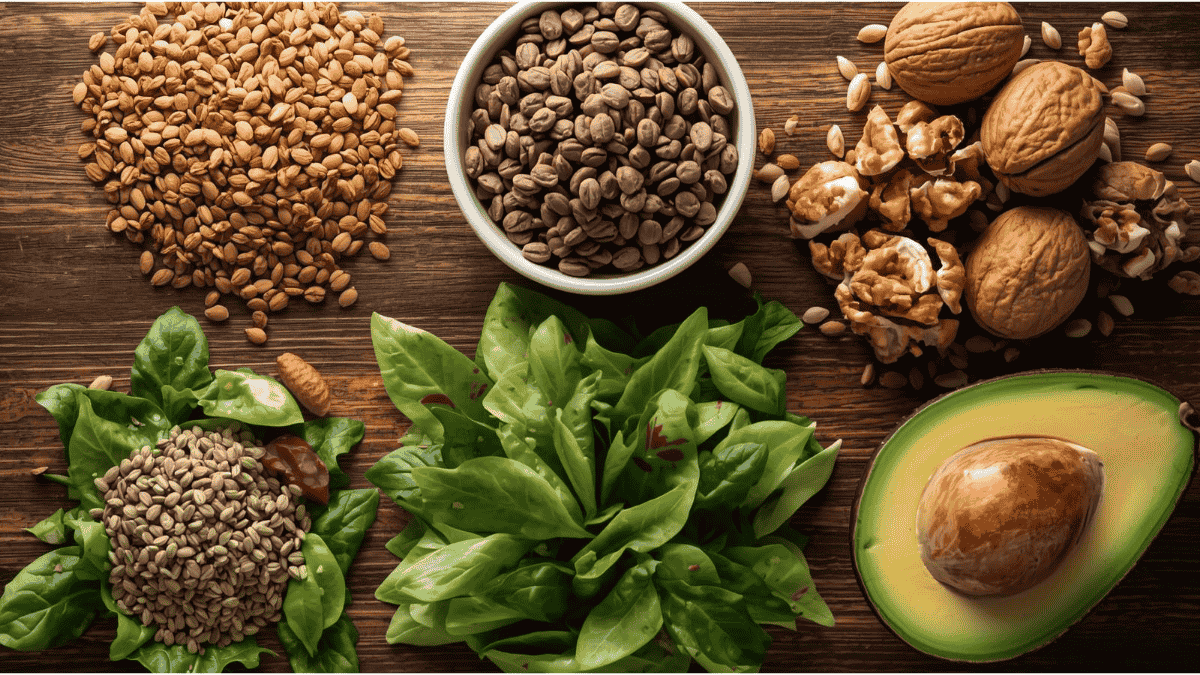
Selenium, vitamin E, and lignans in almonds, flaxseeds, and walnuts are all known to protect against oxidative damage.
Flaxseeds in particular contain compounds that may reduce hormone-related cancers such as breast cancer.
Add in baked goods, smoothies, or oatmeal.
12. Legumes: Plant Protein for Cell Health | Prevent Cancer Naturally
Beans, lentils, and chickpeas are high in resistant starch and fiber, which nourish healthy gut bacteria that produce butyrate, a compound that prevents tumor growth in the colon.
Pro Tip: Replace red meat with lentil or chickpea dishes twice a week.
The Science Behind Antioxidants and Cancer
Antioxidants are naturally occurring substances that neutralize free radicals, unstable molecules that can damage DNA and lead to cancer.
Vitamin C, E, selenium, and carotenoid-rich foods help:
- Reduced oxidative stress
- Boost immune function.
- Support healthy cellular repair.
Examples:
Berries (anthocyanins) Carrots (beta-carotene) Spinach (lutein) Tomatoes (lycopene)
Foods to Limit and Avoid
To lower your risk of cancer, avoid foods that cause inflammation or cellular stress:
- Processed meats: Bacon, sausages, hot dogs.
- Refined sugars: White bread, sweetened drinks, baked goods.
- Alcohol: Heavy drinking is associated with cancer of the mouth and liver.
- Deep fried foods: These produce toxic compounds like acrylamide.
Lifestyle Factors That Go Well With A Cancer-Preventive Diet
- Get moving: 30–60 minutes of exercise a day helps balance hormones.
- Keep your weight down. Obesity increases your risk for cancer.
- Sleep well: 7-8 hours for cell repair.
- Avoid smoking and limit alcohol, major source of carcinogen.
Sample One-Day Cancer-Prevention Meal Plan
| Meal | Example | Key Benefits |
|---|---|---|
| Breakfast | Oatmeal with berries and flaxseeds | Fiber + antioxidants |
| Snack | Green tea and almonds | Polyphenols + vitamin E |
| Lunch | Quinoa salad with chickpeas, spinach, and olive oil | Fiber + plant protein |
| Evening Snack | Orange slices and green tea | Vitamin C + catechins |
| Dinner | Grilled salmon with steamed broccoli and brown rice | Omega-3 + cruciferous nutrients |
Research Highlights
- WHO (2024): Plant-rich diets could prevent 30–40% of cancers.
- Harvard Health: Eating cruciferous vegetables cuts colon cancer risk by 20–25%
- National Cancer Institute: Antioxidant foods protect DNA and retard tumor formation.
Conclusion: Food as Medicine Prevention.
A plate full of colorful, natural, whole foods is not just a meal, it is your body’s best defense system. Genetics influence risk of cancer but nutrition can help greatly change the outcome by reducing inflammation, improving immunity, and protecting DNA.
It is not a restrictive diet but a mindful approach to eating. Start today by adding one cancer-fighting food to your daily meals and then build from there.
As we move on to Nutrition Tips for Healthy Aging and Longevity, we’ll see how these same foods prevent disease and also promote a longer, healthier life.
Disclaimer
This article is for informational purposes only and is not a substitute for professional medical advice. Always check with your doctor or a registered dietitian before making major changes to your diet, especially if you have a family history of cancer, or ongoing medical conditions.