Introduction: Your Diet, Your Heart’s First Line of Defence
Your heart beats almost 100,000 times a day, working tirelessly to keep you alive. But in our fast-paced world of processed food, high stress, and low activity, heart disease remains as one of the top killers in the world.
But the good news is that up to 80% of heart disease is preventable, according to the World Health Organization (WHO). It’s not in expensive medications or popular diets, but in your kitchen.
Some foods can help reduce cholesterol levels, reduce inflammation, control blood pressure, and promote artery health. What you eat directly impacts how well your heart functions.
In Pre-Workout Nutrition: What to Eat for Energy, we examined how food fuels your body to perform. Today, we’re going to take a closer look at how smart nutrition can protect your heart for life. And in The Link Between Nutrition and Preventing Cancer Naturally, we’ll learn how diet can help protect us from another major chronic disease.
How Diet Relates to Heart Disease
Heart disease typically begins with damage to the inner walls of your arteries, often from high cholesterol, high blood pressure, smoking, or chronic inflammation. Fatty deposits (plaques) build up over time and limit blood flow to the heart or brain, causing heart attacks or strokes.
Food is a significant part at each step in the process. Some nutrients, like omega-3 fatty acids, fiber, and antioxidants, act as internal shields, protecting your arteries and improving blood circulation.
According to the American Heart Association (AHA), people who eat a heart-healthy diet have a 30 to 40 percent lower risk of cardiovascular disease than those who eat a typical Western diet.
1. Oatmeal: Nature’s Cholesterol Sponge
Oats are one of the most researched heart-healthy foods. Their soluble fiber, beta-glucan, creates a gel-like substance in the gut that traps LDL (harmful) cholesterol and moves it out of the body.
Benefits supported by research:
- reduces LDL cholesterol by 10%.
- increases insulin sensitivity.
- promotes healthy weight control.
Eat it like this:
Start your morning with oatmeal topped with berries and flaxseeds, or add oats to smoothies for extra fiber.
2. Rich Fish The Hero Omega 3s
Fish high in fat, such as salmon, mackerel, sardines, and tuna, are rich in omega-3 fatty acids, which lower triglycerides, reduce inflammation, and prevent blood clots.
Research:
A Harvard Health study found that eating two servings of fatty fish each week can reduce your risk of dying from heart disease by 35 percent.
Tip:
Instead of frying, try grilling or baking fish, or for vegetarians, flaxseed oil, walnuts, or chia seeds.
3. Small Berries, Large Impact
Berries are rich in antioxidants called anthocyanins that help increase elasticity of blood vessels and reduce inflammation. They also regulate blood pressure and blood sugar.
Best choices: Blueberries, blackberries, strawberries, and raspberries.
Add to yogurt, oatmeal, or smoothies.
Highlight from study:
Research from Harvard has found that women who ate berries three times a week had a 32 percent lower risk of heart attack.
4. Nuts and Seeds Small Bites, Strong Arteries
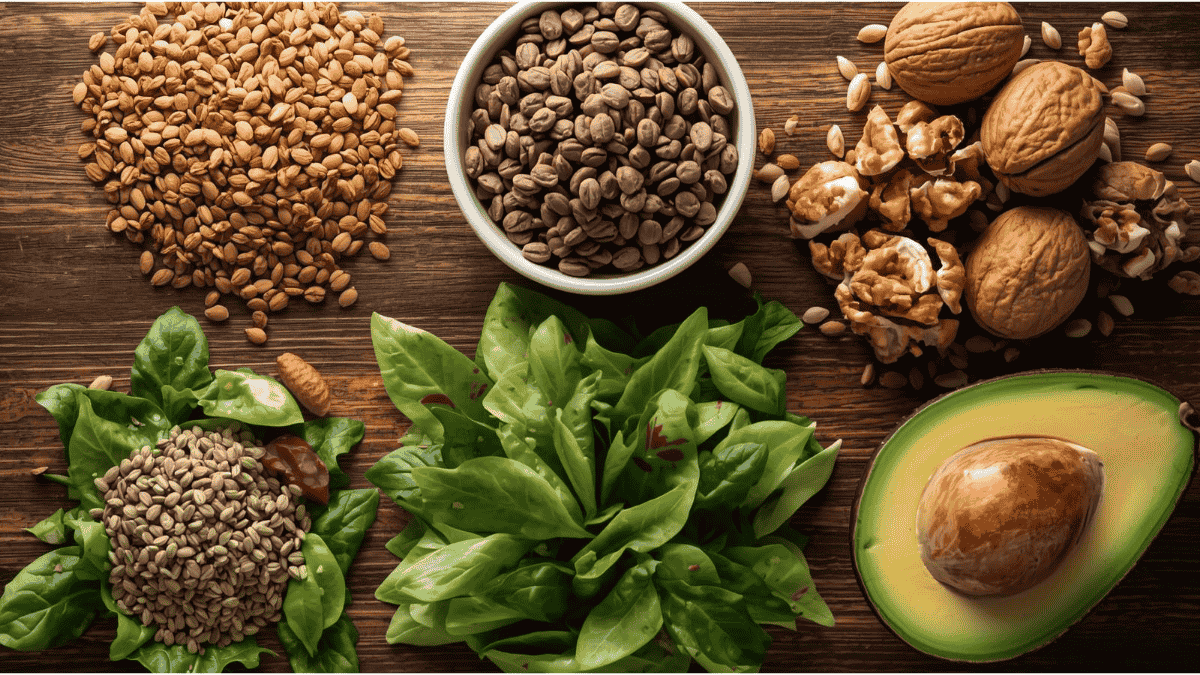
Walnuts and almonds are rich in heart-healthy omega-3 fatty acids, magnesium, and vitamin E. They help lower LDL cholesterol levels and keep the heart’s rhythm steady.
Fun tidbit:
A daily handful of nuts can lower the risk of heart disease by twenty percent.
Make an informed decision:
Eat in moderation (30g/day) and without salt or roasting.
5. Leafy Greens: Natural Purifiers for the Heart
Spinach, kale, mustard greens, and Swiss chard are chock-full of nitrates, which help blood vessels relax, improving circulation and lowering blood pressure.
Important nutrients to remember: Folate, potassium, and magnesium are all important for controlling heart rhythm.
Smart tip:
Use olive oil on leafy greens to help your body absorb more nutrients.
6. Olive Oil: The Mediterranean’s Secret to Longevity
The heart has rightly awarded olive oil the title “liquid gold.” It is rich in monounsaturated fats and polyphenols that help reduce inflammation and improve cholesterol balance.
Evidence:
The PREDIMED study found a Mediterranean diet rich in olive oil, nuts, and vegetables reduced major heart events by 30%.
Usage:
Use as a butter alternative or drizzle over salads or roast vegetables.
7. Avocado: Creamy and Cardioprotective
Avocados are packed with potassium, fiber, and heart-healthy monounsaturated fats that lower LDL cholesterol without affecting HDL.
Insight from Harvard:
One Avocado a Day Improves LDL in Overweight Adults
Add to: Whole-grain toast or salads in place of cheese or butter.
8. Legume Protein Minus the Heart Strain
Beans, lentils, and chickpeas are full of plant protein and soluble fiber, which can help lower LDL cholesterol and improve insulin control.
AHA research:
Replacing red meat with legumes four times a week cuts the risk of heart disease by 15%.
Pro Tip:
Add lentils or beans to curries, soups or wraps
9. Heart-Healthy Energy from Whole Grains
Whole grains such as brown rice, quinoa, barley and oats can lower cholesterol, help control blood sugar, and improve the health of the gut microbiome.
Truth:
According to Mayo Clinic, a diet high in whole grains can reduce your risk of heart disease by 20%.
Eat: Look for “100% whole grain” on food labels.
10. The Giant of Lycopene: Tomatoes
Tomatoes are packed with lycopene, a potent antioxidant that prevents LDL cholesterol from being oxidized and keeps arteries flexible.
Pro Tip:
Cooking tomatoes with olive oil increases absorption of lycopene by 50%.
11. Dark Chocolate: Good News for Your Heart
Dark chocolate (70% or more cocoa) is full of bioflavonoids that increase blood flow, reduce stress and lower blood pressure.
Moderation is key:
Take 1-2 small squares a day.
Science:
A 2019 study in the European Heart Journal found that those who ate moderate amounts of dark chocolate had a 27% lower risk of cardiovascular disease.
12. Matcha (Green Tea) The Antioxidant Barrier
Green tea has catechins that lower LDL cholesterol and blood pressure and improve artery flexibility.
Drink 2–3 cups a day, without sugar.
Bonus: It also helps with fat metabolism and reduces stress.
Other Heart Healthy Nutrients
- Magnesium: Aids in blood pressure and helps prevent irregular heartbeats.
- Potassium: Counterbalances sodium.
- Vitamin D: helps maintain healthy blood vessels.
- Coenzyme Q10 (CoQ10): Fights oxidative damage in heart muscle cells.
Foods to Avoid for a Healthy Heart
| Avoid | Why | Healthier Alternative |
|---|---|---|
| Fried food | Contain trans fatty acids. | Baked or Air-Fried Version |
| Processed meat | High sodium and nitrates | Chicken, grilled lentils |
| Sugary beverages | Elevate triglycerides | Green tea, infused water |
| > Refined carbs | Trigger blood sugar spikes | whole grain |
| Snacks, pre-packed | High in sodium. | DIY trail mix |
Heart-Healthy Diet Plan Sample for a Day
| Food | Example. | Nutrients of importance |
|---|---|---|
| Morning meal | Blueberry & Walnut Oats | Fiber + antioxidants |
| Cereal bar | A small handful of almonds | Good fats |
| Lunchtime | Grilled Salmon, Brown Rice and Greens | Omega-3s and whole grains |
| 3. Evening snack | Dark chocolate + green tea | Flavonoids |
| Supper | Lentil soup with a spinach salad | Plant protein & nitrate |
Lifestyle Factors That Enhance a Heart-Healthy Diet
- Exercise: 30 minutes of brisk walking or light cardio daily.
- Sleep: 7-8 hours/night elevates heart rate variability.
- Stress management: Meditation, yoga, or breathing exercises.
- Stopping smoking: Doubles your risk of heart disease.
Research Highlights
- WHO (2024): Balanced diets containing fruits and vegetables can reduce cardiovascular mortality by 40%.
- Harvard Health: Whole grains lower risk of heart attack compared to refined carbs
- AHA: Drop 1,000 mg/day sodium, and blood pressure falls within 2 weeks.
Conclusion: Small changes, stronger heart.
What you eat is the first step toward having a healthy heart. You don’t need radical diets; just make consistent, thoughtful choices.
Each bowl of oats, drizzle of olive oil, and handful of nuts adds up over time, protecting your arteries and nourishing your body.
Start small, eat consciously, and make every meal an investment in longevity.
The Connection Between Cancer Prevention and Nutrition We’ll examine how many of these same foods have a significant impact on lowering the risk of cancer, of course.
Disclaimer
This article is solely intended for educational purposes. Before making major dietary changes, especially if you have pre-existing conditions, always get advice from a medical professional or registered dietitian.
FAQs Regarding Foods That Are Heart-Healthy
Q1. Is food really a way to prevent heart disease?
Yes, diet has a huge impact on cholesterol, blood pressure, and inflammation.
Q2. What is the best diet for your heart?
Mediterranean or DASH diet.
Q3. How much fish do I need to eat per week?
Fatty fish (two or more servings).
Q4. Are eggs bad for the heart?
No, they’re okay in moderation.
Q5. Can I drink coffee every day?
Yes, 1beneficialups may be good for heart function.
Q6. What are good heart-healthy foods to snack on?
Nuts, seeds, fruit, or yogurt.
Q7. Are vegetarian diets good for the heart?
Yes, if balanced with protein and B12.
Q8. Which oils should I use?
Olive, mustard, or avocado oil.
Q9. Is red wine heart-healthy?
In moderation due to antioxidants.
Q10. Do I have to avoid salt completely?
No, but do not exceed 2,300 mg/day.
Q11. Do avocados lower cholesterol?
Yes, they increase HDL and decrease LDL.
Q12. Dark chocolate is really healthy?
Yes, if it’s 70% cocoa or higher.
Q13. Which fruits are best for the heart?
Oranges, berries, and pomegranates.
Q14. Can stress affect the heart?
Yes, it does; it raises blood pressure.
Q15. How does fiber help you?
It reduces cholesterol and aids digestion.
Q16. Is fasting good for heart health?
Intermittent fasting may benefit blood sugar control.
Q17. Can heart patients drink milk?
The best options are low fat or plant-based.
Q18. Can food be substituted with supplements?
No. Whole foods have synergistic benefits.
Q19. What is the worst food for your heart?
Anything that has trans fat in it.
Q20. How mubeneficialxercise is good?
150 minutes of moderate activity per week.
Q21. Are smoothies good for the heart?
Yes, if it’s low in added sugar.
Q22. Is heart disease hereditary?
Yes, but diet still reduces genetic risk
Q23. Is canned food bad for you?
Yes, if high in sodium or preservatives.
Q24. Should I take omega 3 supplements?
If you do not eat fish, talk to your doctor.
Q25. Can I eat rice every day?
Yes, red or brown rice. Yes.
Q26. Is cheese good for you?
Try to avoid processed ones in small amounts.
Q27. Does green tea help lower cholesterol?
Yes, its catechins lower LDL.
Q28. Is butter more healthy than olive oil?
Olive oil is much healthier.
Q29. Does dehydration affect the heart?
Yes, it emphasizes circulation.
Q30. How fast can diet changes improve your heart health?
After 4-6 weeks of consistent use, you can expect to notice benefits.