Introduction: Why Women’s Nutrition Deserves Special Attention

Women nutrition needs change throughout life from adolescence to pregnancy to menopause. Yet, many women neglect essential nutrients due to busy lifestyles, dieting trends, or a lack of awareness. Balanced nutrition not only supports energy and metabolism but also helps regulate hormones, improve fertility, strengthen bones, and maintain emotional balance.
What women eat directly impacts their mood, immune system, and long-term health. Deficiencies in iron, calcium, or vitamin D, for instance, can lead to fatigue, hormonal imbalances, and weak bones. Proper nutrition is not about restriction; it’s about nourishment.
In How to Balance Nutrition in a Busy Lifestyle, we explored practical ways to stay healthy despite a packed schedule. Today, we’ll delve deeper into the specific nutrients women should focus on and how to incorporate them into daily meals. Tomorrow, we’ll move to Best Foods for Men’s Health and Vitality, continuing our gender-focused nutrition series.
Why Women Nutrition Needs Are Different
Biological factors such as menstruation, pregnancy, breastfeeding, and menopause make women’s nutrient demands unique.
- Hormonal changes affect metabolism, bone density, and iron levels.
- Pregnancy and lactation increase the need for folate, calcium, and protein.
- Menopause decreases estrogen, which impacts bone and heart health.
A woman’s diet must therefore evolve with her life stages to maintain optimal health.
Women’s Life-Stage Nutrition Chart
| Life Stage | Key Nutrients to Focus On | Recommended Daily Intake | Best Food Sources | Primary Health Benefits |
|---|---|---|---|---|
| Teen (13–19 yrs) | Iron, Calcium, Protein, Vitamin C | Iron: 15 mg, Calcium: 1,300 mg, Protein: 45–55 g | Dairy, lentils, spinach, eggs, citrus fruits | Supports bone growth, energy, and hormonal balance |
| Reproductive Age (20–35 yrs) | Iron, Folate, Omega-3s, Vitamin B12 | Iron: 18 mg, Folate: 400 mcg, Omega-3: 1.1 g | Fish, beans, flaxseeds, eggs, leafy greens | Aids fertility, regulates hormones, and prevents anemia. |
| Pregnancy | Iron, Folate, Protein, Calcium | Iron: 27 mg, Folate: 600 mcg, Protein: 70 g | Legumes, dairy, leafy greens, fish | Supports fetal growth and reduces birth defect risk |
| Postpartum (0–12 months) | Protein, Omega-3s, Iron, Vitamin D | Protein: 75 g, Vitamin D: 600 IU | Salmon, eggs, dairy, oats | Helps recovery, boosts energy, and stabilizes mood |
| Perimenopause (40–50 yrs) | Calcium, Magnesium, Fiber, Vitamin D | Calcium: 1,000–1,200 mg, Magnesium: 320 mg | Yogurt, spinach, almonds, whole grains | Balances mood, supports bone health, reduces PMS |
| Menopause & Beyond (50+ yrs) | Calcium, Vitamin D, Omega-3s, Antioxidants | Calcium: 1,200 mg, Vitamin D: 800 IU, Omega-3: 1.1 g | Fortified milk, chia seeds, green tea, nuts | Aids fertility, regulates hormones, and prevents anemia |
Key Takeaways from the Chart Women nutrition
- Teenagers need extra calcium and iron to support growth.
- Pregnant women should emphasize folate and iron to prevent complications.
- Menopausal women benefit from calcium, magnesium, and vitamin D for bone and heart health.
- Across all stages, hydration, fiber, and protein are universal must-haves.
12 Key Nutrients Every Woman Should Focus On: Women nutrition
1. Iron – For Energy and Blood Health
Iron prevents anemia, supports oxygen transport, and combats fatigue.
Sources: Red meat, spinach, lentils, beans, and fortified cereals.
Pair with vitamin C (like citrus fruits) to boost absorption.
2. Calcium – For Strong Bones and Teeth
Vital for bone health, especially after 30, when bone density begins to decline.
Sources: Dairy, tofu, sesame seeds, and fortified plant milk.
3. Vitamin D – For Immunity and Bone Support
Helps the body absorb calcium and strengthens immunity.
Sources: Sunlight, eggs, mushrooms, and fortified dairy.
4. Folate (Vitamin B9) – For Reproductive Health
Prevents birth defects and supports cell growth during pregnancy.
Sources: Leafy greens, beans, citrus fruits, and whole grains.
5. Omega-3 Fatty Acids – For Heart and Brain Function
Reduces inflammation, supports heart health, and enhances mood stability.
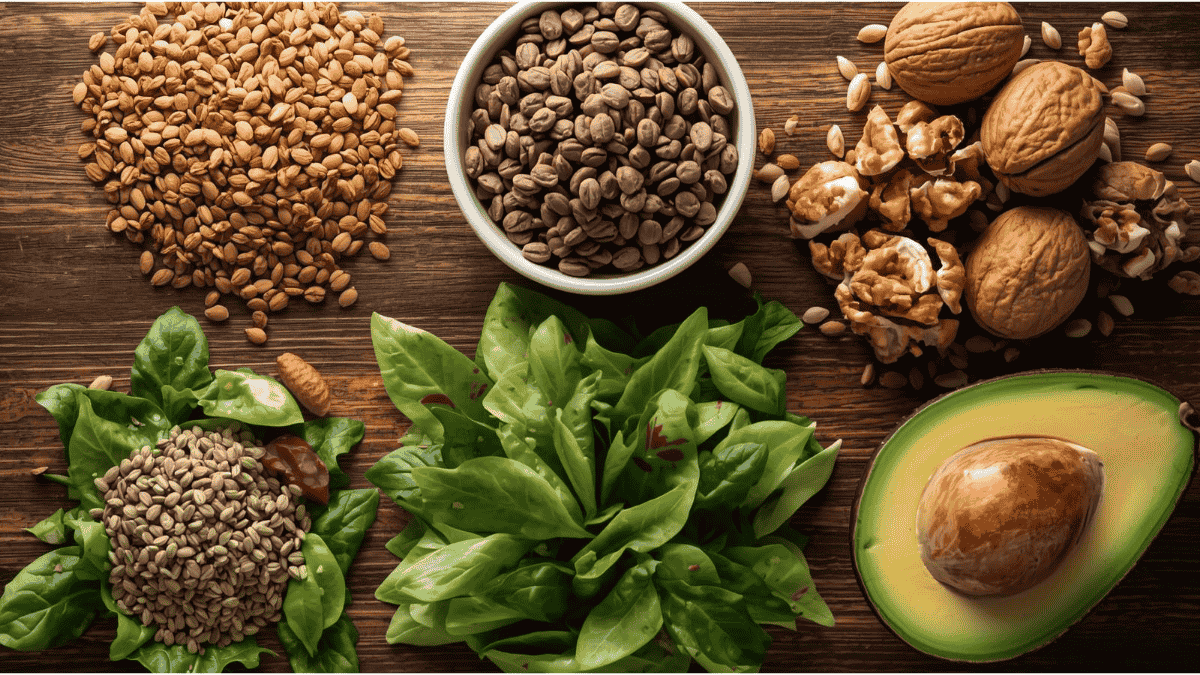
Sources: Salmon, flaxseeds, walnuts, and chia seeds.
6. Magnesium – For Hormonal and Stress Balance
Regulates mood, sleep, and PMS symptoms.
Sources: Dark chocolate, almonds, spinach, and whole grains.
7. Vitamin B12 – For Nerve and Brain Health
Essential for red blood cell formation and mental clarity.
Sources: Eggs, dairy, fish, and fortified cereals (vegans need supplements).
8. Protein – For Muscle, Hair, and Hormone Production
Supports cell repair, metabolism, and hormone synthesis.
Sources: Eggs, beans, tofu, yogurt, and lean meats.
9. Zinc – For Immunity and Fertility
Supports reproductive health and tissue repair.
Sources: Pumpkin seeds, chickpeas, and shellfish.
10. Fiber – For Digestion and Weight Management
Keeps digestion smooth and prevents constipation.
Sources: Whole grains, fruits, vegetables, and legumes.
11. Potassium – For Blood Pressure Control
Balances sodium and prevents cramps and water retention.
Sources: Bananas, avocados, and sweet potatoes.
12. Antioxidants – For Skin and Aging Protection
Combat oxidative stress and support collagen production.
Sources: Berries, green tea, dark chocolate, and tomatoes.
Research Insights on Women nutrition
- A Harvard Women’s Health study found that women with higher intake of iron and folate had lower risks of fatigue and reproductive issues.
- World Health Organization (WHO) recommends calcium and vitamin D supplements post-menopause to prevent osteoporosis.
- The American Heart Association highlights omega-3s as essential for reducing heart disease risk among women.
Expert Recommendations on Women nutrition
According to the Harvard T.H. Chan School of Public Health, women who maintain balanced nutrient intake during key stages, especially during pregnancy and menopause, reduce risks of chronic illness by over 30%.
The World Health Organization (WHO) further emphasizes routine nutritional checkups to ensure proper iron and vitamin D levels, especially for women over 35.
Women nutrition for Different Life Stages
Teenage Years:
Focus on iron, calcium, and protein to support growth and hormonal balance.
Reproductive Years:
Maintain folate, iron, and omega-3 intake for fertility and healthy menstruation.
Pregnancy: Women nutrition
Increase calories slightly and focus on folate, iron, and calcium.
Postpartum:
Include high-protein foods for recovery and omega-3s for mood stability.
Menopause and Beyond:
Boost calcium, vitamin D, and magnesium for bone and heart health.
During Women nutrition: Common Nutrition Mistakes Women Make
- Skipping meals to lose weight.
- Ignoring iron-rich foods during menstruation.
- Overconsuming caffeine reduces calcium absorption.
- Relying on supplements instead of whole foods.
- Neglecting hydration.
Practical Tips for Women Nutrition
- Eat small, frequent, balanced meals throughout the day.
- Combine lean protein with complex carbs and healthy fats.
- Avoid processed foods high in sodium and sugar.
- Include colour variety on your plate; each colour offers unique nutrients.
- Stay physically active to complement a nutrient-rich diet.
Conclusion: Nourishment is Power
For women, food is more than fuel; it’s a foundation for vitality, balance, and longevity. Prioritizing the right nutrients can help manage stress, support hormones, and prevent long-term illnesses.
Whether you’re managing work, family, or personal health, consistent, balanced nutrition will keep your mind sharp, your energy stable, and your body strong.
As we move to 12 Best Foods for Men’s Health and Vitality, we’ll shift focus to the nutritional needs that help men maintain strength, energy, and heart health.
30 FAQs on Women Nutrition
Q1. Why do women need more iron than men?
Because of the monthly blood loss during menstruation.
Q2. What’s the best diet for women’s health?
A balanced diet rich in iron, calcium, and omega-3s.
Q3. How much calcium should women get daily?
About 1,000–1,200 mg, depending on age.
Q4. Are supplements necessary?
Only if your diet lacks specific nutrients, consult a doctor.
Q5. What foods improve hormonal balance?
Leafy greens, flaxseeds, and whole grains.
Q6. How can women boost energy naturally?
Eat iron-rich foods and stay hydrated.
Q7. What’s the best source of protein for women?
Eggs, fish, legumes, and tofu.
Q8. Do women need more calories than men?
No, usually fewer due to lower muscle mass and metabolism.
Q9. How does menopause affect nutrition?
It reduces bone density, so calcium and vitamin D become essential.
Q10. Can women follow a vegan diet safely?
Yes, with careful planning for B12, iron, and calcium.
Q11. Are dairy products essential for bone health?
They help, but fortified plant milk and greens also work.
Q12. Can iron supplements cause side effects?
Yes, they may cause constipation; take with vitamin C.
Q13. What’s the best breakfast for women?
Whole grains with fruit and protein (like oatmeal with nuts).
Q14. How much water should women drink daily?
Around 2.5–3 liter, depending on activity.
Q15. Can coffee affect calcium absorption?
Yes, excessive caffeine may reduce calcium absorption.
Q16. What foods help with PMS?
Bananas, nuts, yogurt, and green leafy vegetables.
Q17. Do women need more omega-3s?
Yes, they help with heart and brain function.
Q18. Can women lose weight while eating healthy fats?
Yes, fats like avocado and olive oil aid satiety and metabolism.
Q19. What vitamins help with skin health?
Vitamin E, C, and antioxidants.
Q20. Are soy foods safe for women?
Yes, in moderation, they may even help balance hormones.
Q21. How does stress affect nutrition?
It increases cravings and nutrient depletion.
Q22. Can diet affect fertility?
Yes, folate, zinc, and omega-3s support reproductive health.
Q23. Are low-carb diets safe for women?
Not always; carbs are essential for hormonal balance.
Q24. What foods help with menopause symptoms?
Soy, flaxseeds, whole grains, and calcium-rich foods.
Q25. Can women over 40 build muscle through diet?
Yes, with enough protein and resistance training.
Q26. How does hydration affect hormones?
It supports metabolism and reduces bloating.
Q27. What are the best snacks for women?
Fruits, yogurt, nuts, and roasted chickpeas.
Q28. Can a poor diet cause mood swings?
Yes, lack of magnesium and B vitamins affects mood.
Q29. Should women take probiotics?
Yes, they support gut and hormonal health.
Q30. What’s the most important nutrition tip for women?
Eat a colourful, balanced diet and adjust it to your life stage.