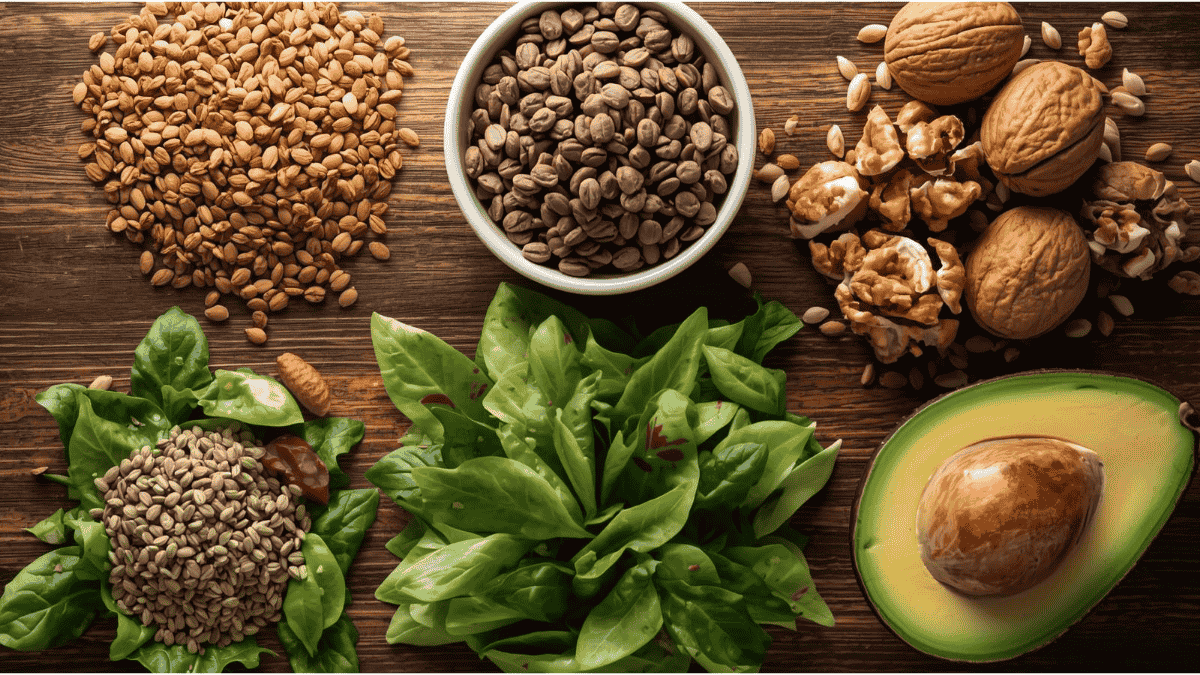
Top 5 Vegetables to Include in Your Diet help to Reduce Uric Acid Levels and also understand which dietary choices can help mitigate these risks
Understanding Uric Acid and Its Effects
Uric acid is a byproduct of purine metabolism, which occurs naturally in the body. Purines are substances found in many foods, especially those high in protein, such as meats, fish, and certain legumes. Once purine is broken down, uric acid is produced and is normally dissolved in the blood. It is then filtered out by the kidneys and excreted through urine. However, when the body produces excessive uric acid or the kidneys do not eliminate enough of it, elevated levels can occur, potentially leading to various health issues.
High levels of uric acid can crystallize in the joints, leading to a painful inflammatory condition known as gout. Gout attacks often manifest suddenly with severe pain, swelling, and redness in the affected joints, most commonly the big toe. Individuals with chronic high uric acid levels may develop other complications, including kidney stones and kidney disease. Therefore, maintaining healthy uric acid levels is essential to prevent these health problems.
Symptoms of elevated uric acid levels may include joint pain, swelling, and stiffness, particularly after consuming purine-rich foods or alcohol. Furthermore, fatigue and fever might accompany these symptoms during a gout flare-up, complicating daily activities. A variety of dietary factors can influence uric acid levels, including the ingestion of certain foods, hydration levels, and overall dietary patterns. Foods high in fructose and purine content can exacerbate uric acid production in the body, making it crucial to understand which dietary choices can help mitigate these risks.
In summary, understanding uric acid production and its health implications is vital in managing levels effectively. By recognizing the factors that affect uric acid levels, individuals can take proactive steps in their dietary choices, particularly incorporating specific vegetables known to aid in reducing uric acid levels.
The Role of Vegetables in Managing Uric Acid
Vegetables play a crucial role in managing uric acid levels in the body, serving as a primary source of essential nutrients that contribute to overall health. High levels of uric acid can lead to serious health issues, including gout, and incorporating vegetables into the diet can assist in mitigating these risks. Key nutritional components found in vegetables, such as fiber, antioxidants, and a wide range of vitamins and minerals, significantly contribute to their efficacy in lowering uric acid levels.
Fiber, for instance, is an important element that aids in digestion and helps regulate the excretion of waste products, including uric acid. By promoting bowel regularity, fiber-rich vegetables can assist the body in expelling excess uric acid, which may lead to lower serum concentrations. Furthermore, vegetables rich in antioxidants combat oxidative stress and inflammation, both of which are associated with elevated uric acid levels. Antioxidants work to neutralize free radicals in the body, thereby minimizing cellular damage and promoting overall well-being.
Additionally, certain vitamins and minerals found in vegetables play a role in maintaining healthy kidney function. The kidneys are responsible for filtering uric acid from the bloodstream, and a healthy, balanced diet that includes an abundance of vegetables can support kidney health. For example, vegetables high in potassium—such as spinach, beet greens, and avocados—can help regulate electrolyte balance, which is essential for proper kidney function.
Moreover, many vegetables possess anti-inflammatory properties that can further assist in reducing uric acid levels. Chronic inflammation has been linked to increased uric acid levels, and consuming a variety of vegetables can potentially diminish this inflammatory response. Overall, integrating a diverse array of vegetables into one’s diet not only promotes better management of uric acid levels but also enhances general health and wellness.
Top 5 Vegetables to Include in Your Diet
Managing uric acid levels is crucial for overall health, particularly for individuals prone to conditions such as gout. Incorporating specific vegetables into your diet can significantly help in reducing elevated uric acid levels. Here are five vegetables that can be both beneficial and versatile in your meals.
1. Spinach: This leafy green is rich in magnesium and vitamin B6, which contribute to reduced uric acid production. It’s also an excellent source of antioxidants and fiber. Spinach can easily be added to salads, smoothies, or steamed as a side dish.
2. Kale: Another nutrient-dense leafy green, kale is high in vitamin C and has anti-inflammatory properties. It helps lower uric acid levels and improves overall health. Kale can be enjoyed in salads, soups, or sautéed with garlic for a delightful side.
3. Celery: Known for its high water content, celery is a great diuretic that helps flush out excess uric acid. It contains compounds like apigenin that exhibit anti-inflammatory effects. You can add celery sticks to dips, salads, or even juices for a refreshing twist.
4. Broccoli: Broccoli is an excellent source of vitamin C, fiber, and essential antioxidants, which have been linked to lower uric acid levels. Shredded broccoli can be incorporated into salads, stir-fries, or steamed as a healthy side dish that pairs well with many meals.
5. Cucumber: With its high water content and anti-inflammatory properties, cucumber aids in hydration, contributing to lower uric acid levels. It is a fantastic addition to salads, smoothies, or simply eaten as a refreshing snack when you need hydration.
Including these vegetables in your diet can be simple and enjoyable. Not only do they help reduce uric acid levels, but they also offer a variety of nutrients that promote overall health.
Tips for a Uric Acid Friendly Diet
Creating a diet that supports healthy uric acid levels involves integrating specific dietary practices and making informed choices about the foods you consume. To begin with, consider incorporating vegetables known for their uric acid-lowering properties into your daily meals. Cruciferous vegetables, such as broccoli and Brussels sprouts, are not only rich in nutrients but also aid in the metabolism of purines, which are associated with elevated uric acid levels. It is recommended to steam or lightly sauté these vegetables to retain their beneficial properties.
In addition to vegetables, include a variety of fruits, particularly those high in vitamin C, such as cherries and citrus fruits. These fruits can help reduce uric acid levels and provide antioxidants that promote overall health. Incorporating whole grains, such as brown rice and quinoa, also contributes to a balanced diet while providing essential fiber that aids digestion and helps maintain a healthy weight.
It is equally important to avoid foods that are known to raise uric acid levels. Limit the intake of red meats, organ meats, and high-purine seafood such as sardines and anchovies. Sugary beverages and excessive alcohol consumption should be restricted, as these can also exacerbate issues with uric acid. Staying well-hydrated is crucial; aim for at least eight glasses of water a day to help flush uric acid from the body.
Lastly, consider integrating mindful practices, such as portion control and regular physical activity, to support overall weight management. Cooking at home can provide you with greater control over ingredients, allowing you to prepare healthier meals that incorporate the beneficial vegetables discussed. Simple recipes, like stir-fries or vegetable soups, can be both delicious and effective in managing uric acid levels. By adopting these tips and making conscious dietary choices, you can work towards maintaining a balanced uric acid level effectively.