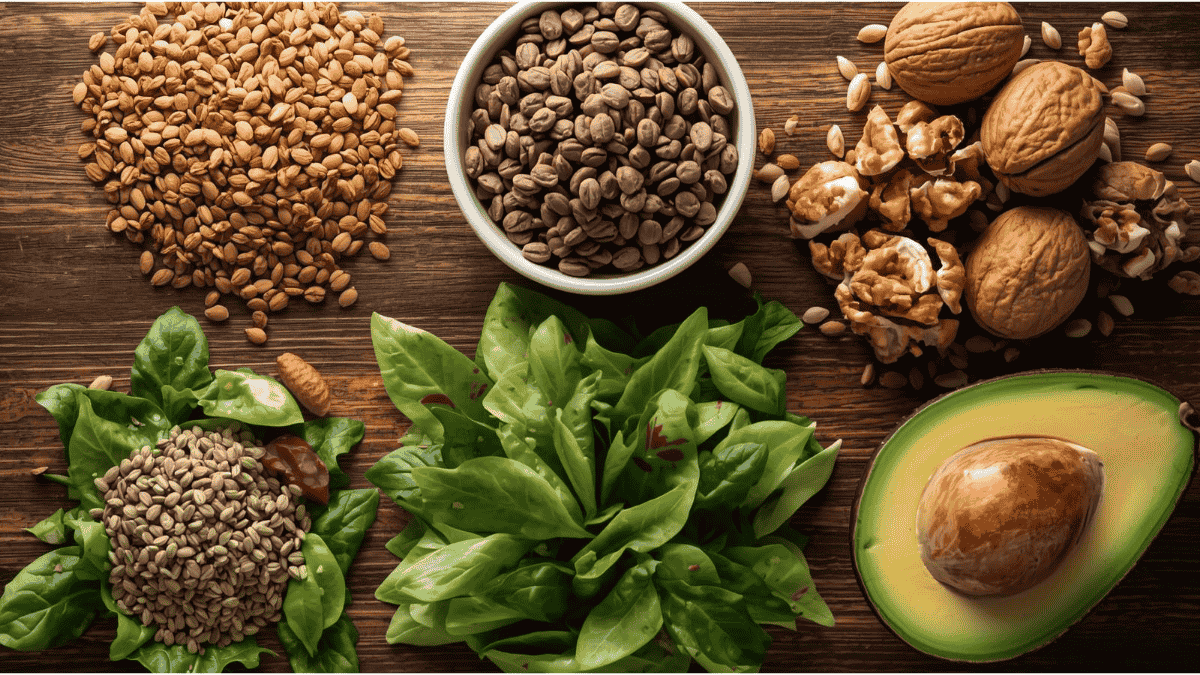
Understanding the Importance of Potassium
Potassium is an essential mineral and electrolyte that plays a vital role in numerous bodily functions. As one of the most abundant ions inside cells, potassium is crucial for maintaining the body’s overall health. It is a key player in facilitating muscle contractions, optimizing nerve function, and regulating fluid balance within the body. Potassium aids in the transmission of electrical signals between nerve cells, which is fundamental for proper brain function and muscle coordination. Without adequate potassium levels, individuals may experience muscle weakness, cramps, or even severe complications such as arrhythmias, which can jeopardize heart health.
The importance of potassium extends to its role in helping to manage blood pressure. Adequate potassium intake can help counteract the hypertensive effects of sodium, thus contributing to cardiovascular health. It achieves this by promoting the excretion of excess sodium through urine, leading to better blood vessel function and reduced risk of hypertension. Additionally, potassium is involved in metabolic processes and the synthesis of protein, further highlighting its integral participation in maintaining overall well-being.
The recommended daily intake of potassium varies across different age groups and life stages. For adults, the ideal daily intake is approximately 2,500 to 3,000 mg, while children require slightly less based on their age. Pregnant and breastfeeding women may also have increased potassium needs. Despite its importance, many individuals do not meet the recommended intake, which can lead to potassium deficiency. Symptoms of this deficiency may include fatigue, muscle weakness, and abnormal heart rhythms. Therefore, it is essential to incorporate potassium-rich foods, such as fruits, into one’s diet to bolster health. Ensuring sufficient potassium intake can significantly impact various aspects of health, making it a crucial nutrient to consider in daily nutrition.
The Health Benefits of Potassium-Rich Fruits
Potassium is an essential mineral that plays a significant role in maintaining various bodily functions. Numerous fruits are abundant in potassium, and incorporating them into your diet can yield a range of health benefits. One of the most notable advantages of consuming potassium-rich fruits is their potential to help regulate blood pressure. Higher potassium intake is associated with lower blood pressure levels, which can contribute to reduced risks of developing hypertension and its related complications.
Furthermore, potassium is vital for cardiovascular health. Consuming fruits rich in this mineral can promote better heart function by maintaining electrolyte balance and supporting proper muscle contraction. Thus, a diet that includes potassium-rich fruits can be beneficial for reducing the risk of heart disease and stroke. For individuals who engage in regular physical activities, these fruits can aid muscle recovery. The potassium content helps replenish lost electrolytes during exercise, reducing cramps and promoting faster recovery.
The significance of potassium extends to bone health as well. Research suggests that adequate potassium intake may be linked to decreased risk of osteoporosis, as it helps to prevent calcium loss from bones. Therefore, incorporating potassium-rich fruits into the diet can be a preventive measure for maintaining bone density as one ages.
Moreover, potassium’s presence in fruits can have a protective effect against stroke. Studies indicate that higher potassium consumption is correlated with lower incidence rates of stroke, thus underscoring the importance of including these fruits in a healthy diet. Overall, the inclusion of potassium-rich fruits can support multiple aspects of health, promoting overall well-being and the prevention of various health conditions.
Top 10 Fruits High in Potassium
Potassium is an essential mineral that plays a crucial role in maintaining electrolytic balance, muscle function, and overall cardiovascular health. Including potassium-rich fruits in your diet can significantly contribute to your daily intake. Here is a detailed list of the top 10 potassium-rich fruits.
1. Bananas: Often regarded as the quintessential potassium fruit, one medium banana contains approximately 422 mg of potassium. Rich in vitamin C and fiber, bananas can be easily added to smoothies, cereals, or enjoyed on their own.
2. Avocados: This creamy fruit stands out with its high potassium content, offering about 975 mg per medium-sized avocado. They are also rich in healthy fats and can be used in salads, spreads, or as a toast topping.
3. Oranges: A popular citrus fruit, a medium orange provides around 237 mg of potassium. In addition to being rich in vitamin C, oranges can be consumed fresh, juiced, or added to fruit salads for a nutritious boost.
4. Cantaloupe: One cup of cantaloupe cubes contains about 427 mg of potassium. With its hydrating properties, this melon can be enjoyed as a snack or blended into smoothies.
5. Kiwi: This small fruit packs a punch, providing about 215 mg of potassium per medium kiwi. Kiwis are also loaded with vitamin K and fiber and can be eaten whole or added to fruit salads.
6. Honeydew Melon: A cup of honeydew melon chunks contains around 388 mg of potassium. This sweet and refreshing fruit is great on its own or in fruit platters.
7. Prunes: Known for their digestive benefits, prunes contain approximately 348 mg of potassium per half-cup serving. They are versatile and can be incorporated into oatmeal or baked goods.
8. Dates: These naturally sweet fruits offer about 167 mg of potassium per date. Dates can be enjoyed as a snack or blended into energy bars and smoothies for added sweetness and nutrition.
9. Pomegranate: A single pomegranate contains around 236 mg of potassium. Its seeds, known as arils, can add a delightful crunch to salads, yogurts, or be enjoyed alone.
10. Passion Fruit: The exotic passion fruit provides approximately 348 mg of potassium per fruit. This nutrient-dense fruit can be eaten fresh or used in desserts and beverages to enhance their flavor.
Incorporating these potassium-rich fruits into your daily diet not only helps meet your nutritional needs but also contributes to overall health and well-being.
Tips for Including More Potassium-Rich Fruits in Your Diet
Incorporating more potassium-rich fruits into your daily routine can be both enjoyable and beneficial for your health. Here are several practical tips and strategies you can adopt to enhance your potassium intake through fruit consumption.
First, consider meal prepping as a way to simplify your diet. Choose a day each week to carve out time for washing, chopping, and packaging your favorite potassium-rich fruits. For instance, bananas, avocados, and kiwis can be prepped in advance and stored in portion-sized containers. This method not only helps in easy accessibility but also encourages healthier snacking choices throughout the week.
Snacking is another effective way to increase your potassium fruit consumption. Instead of reaching for processed snacks, opt for fresh fruit or fruit-based snacks. Sliced apples with almond butter, bananas with yogurt, or a handful of dried apricots can provide a quick energy boost while also fulfilling your potassium needs. You can also create a fruit salad by combining various potassium-rich options like oranges and honeydew melon, making a nutritious snack that’s both satisfying and delicious.
For those who enjoy smoothies, blending a variety of potassium-rich fruits is an excellent strategy. Try combining spinach with bananas, mangoes, and a splash of coconut water for a refreshing drink that pairs well with breakfast or serves as a post-workout recovery option. Additionally, adding fruits to salads is a delightful way to enhance nutritional value. Ingredients such as grapefruit, avocado, or pomegranate seeds can complement a green salad beautifully.
Lastly, while focusing on potassium-rich fruits, remember the importance of dietary balance. It is essential to consider your overall nutritional needs, ensuring that your potassium intake complements your consumption of other vital nutrients. A diverse diet helps maintain optimal health and supports bodily functions, so aim to enjoy a wide variety of fruits, vegetables, and other food groups in your meals.