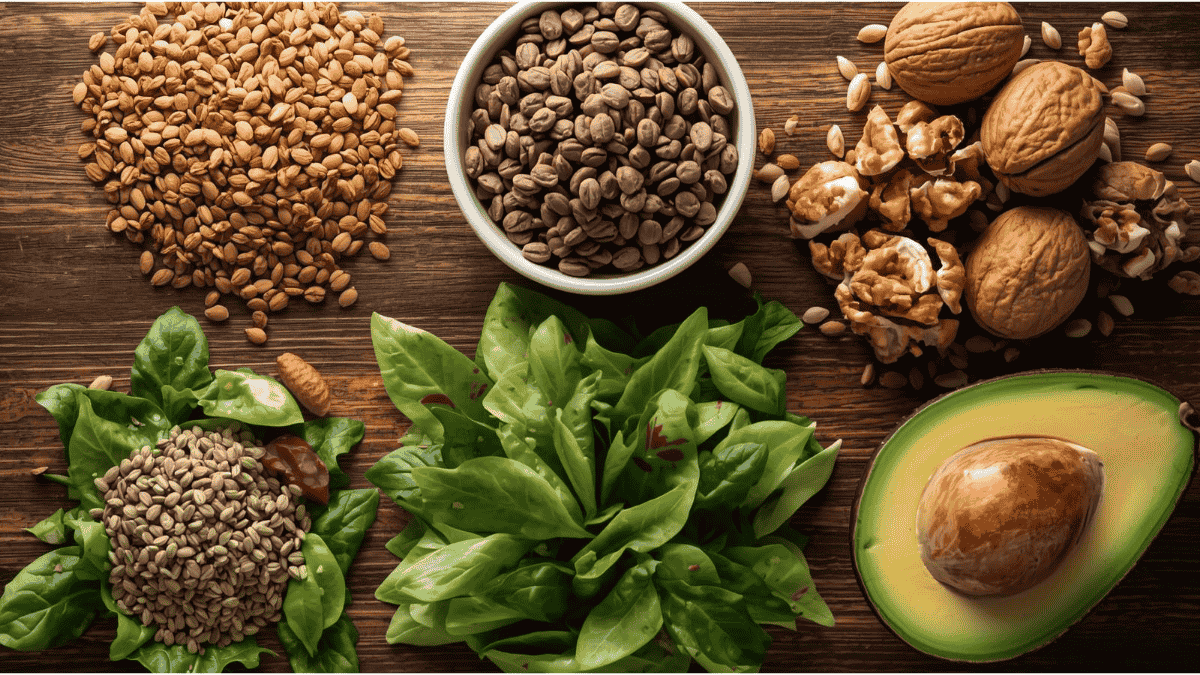
Heart disease continues to be one of the leading causes of illness and death worldwide. While genetics and lifestyle factors play a role, research shows that diet has the biggest impact on heart health. Choosing nutrient-rich foods can lower cholesterol, reduce blood pressure, and support overall cardiovascular function.
There isn’t one single “best” diet for everyone, but several eating patterns have been studied and proven to benefit the heart. Here are the top 10 heart-healthy diets that experts recommend.
Top 10 Heart-Healthy Diets you should know
1. The Mediterranean Diet
The Mediterranean diet has long been considered the gold standard for heart health. It emphasizes fruits, vegetables, whole grains, beans, olive oil, nuts, and lean proteins like fish and poultry. This diet is rich in omega-3 fatty acids, healthy fats, and antioxidants, all of which reduce inflammation and improve cholesterol levels. Regular consumption of olive oil and fatty fish helps protect arteries and maintain healthy blood pressure.
2. The DASH Diet
The Dietary Approaches to Stop Hypertension (DASH) diet was specifically created to lower blood pressure. It focuses on nutrient-dense foods such as leafy greens, fruits, whole grains, and low-fat dairy while limiting sodium, red meat, and sweets. Studies show that people who follow the DASH diet can lower blood pressure within just a few weeks, making it one of the most effective plans for hypertension management.
3. Plant-Based Diet
Plant-based diets eliminate or reduce animal products and instead highlight foods like lentils, beans, vegetables, fruits, and nuts. These foods are naturally low in saturated fat and high in fiber, which helps lower cholesterol and maintain a healthy weight. Plant-based diets also reduce the risk of type 2 diabetes, which is a major risk factor for heart disease.
4. Flexitarian Diet
The flexitarian diet is a more relaxed version of plant-based eating. It encourages mostly vegetarian meals but allows occasional servings of lean meats or fish. This flexibility makes it easier for many people to adopt while still offering the benefits of reduced meat consumption, including lower cholesterol, improved blood pressure, and better weight control.
5. The Nordic Diet
Inspired by the traditional foods of Nordic countries, this diet includes root vegetables, berries, whole grains such as rye and barley, and fatty fish like salmon and herring. The Nordic diet is high in fiber and omega-3 fatty acids, which help reduce inflammation and cholesterol. It has been linked to improved heart health and better metabolic balance.
6. Low-Sodium Diet
Excess sodium is directly linked to high blood pressure and heart disease. A low-sodium diet avoids processed foods, salty snacks, canned soups, and fast food. Instead, it focuses on fresh fruits, vegetables, whole grains, and herbs for seasoning. Reducing sodium intake to less than 2,300 mg per day — or ideally 1,500 mg — is one of the most effective steps to protect cardiovascular health.
7. TLC Diet (Therapeutic Lifestyle Changes)
Developed by the National Institutes of Health, the TLC diet is designed to lower cholesterol. It recommends limiting foods high in saturated fat, such as fatty meats and full-fat dairy, while increasing fiber-rich foods like oats, beans, and fruits. By lowering LDL (bad cholesterol) and supporting weight management, the TLC diet reduces the risk of coronary artery disease.
8. High-Fiber Diet
A diet rich in dietary fiber helps reduce cholesterol, regulate blood sugar, and improve digestion. Whole grains, beans, apples, carrots, and leafy greens are excellent fiber sources. Fiber also creates a feeling of fullness, making it easier to maintain a healthy weight, which directly reduces the strain on the heart.
9. Pescatarian Diet
The pescatarian diet combines plant-based eating with the inclusion of fish and seafood. Fish like salmon, sardines, and tuna are excellent sources of omega-3 fatty acids, which help lower triglycerides and support brain and heart health. Avoiding red meat also reduces the intake of saturated fat, making this diet highly beneficial for long-term cardiovascular protection.
10. The MIND Diet
The MIND diet blends the Mediterranean and DASH diets with a focus on brain and heart health. It encourages leafy greens, nuts, berries, beans, olive oil, and fish. By limiting fried foods, butter, and sweets, the MIND diet lowers inflammation, supports memory, and reduces the risk of both heart disease and cognitive decline.
Conclusion
A heart-healthy diet is not about strict restrictions but about making smarter food choices. Whether you prefer the Mediterranean diet, a plant-based lifestyle, or the DASH plan, all these eating patterns share one principle: focus on whole, natural foods while limiting sodium, sugar, and unhealthy fats. Adopting any of these top 10 diets can lower the risk of heart disease, improve energy levels, and promote long-term wellness.