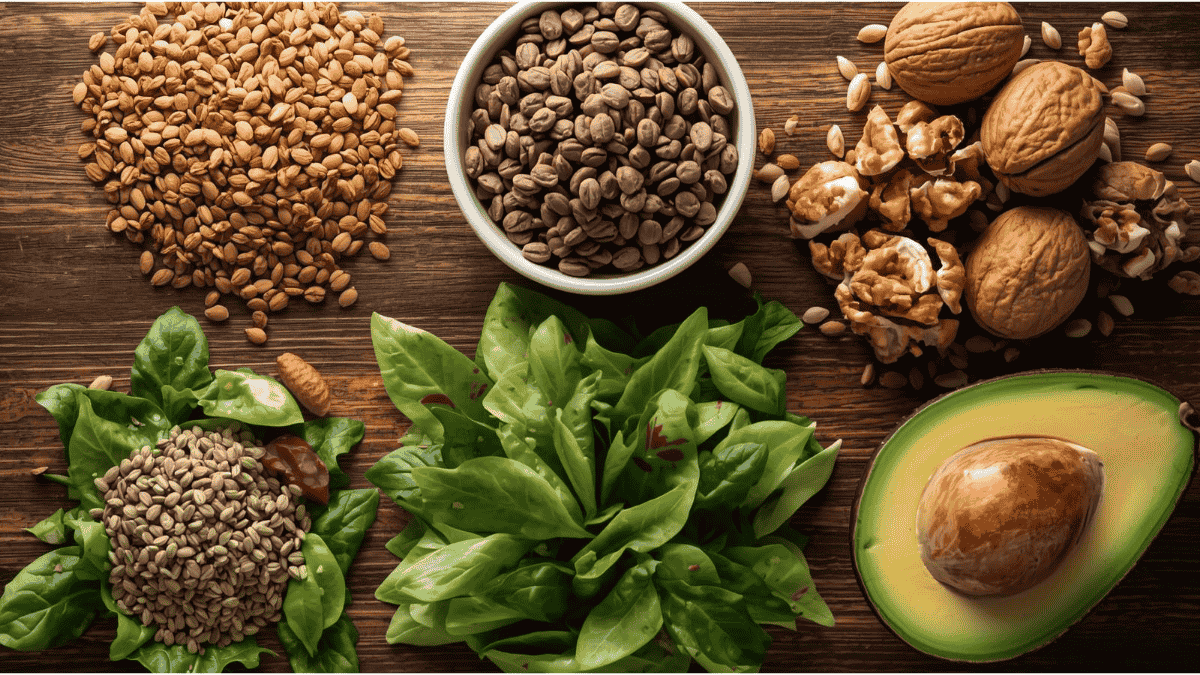
Introduction: micronutrients Small Nutrients, Massive Power
In the world of nutrition, we often focus on calories, carbs, proteins, and fats, the macronutrients. But hidden within every balanced meal are the real heroes of health: micronutrients. These essential vitamins and minerals may be needed in small amounts, yet they play a huge role in keeping your body functioning properly.
Micronutrients support everything from energy production and bone strength to immune defence and brain health. Deficiency, even in trace amounts, can lead to fatigue, weakened immunity, or long-term disease.
In Gluten-Free Diet: Who Really Needs It?, we explored who benefits from dietary restriction. Today, we uncover the truth about the essential vitamins and minerals that sustain life itself. Next, in How to Strengthen Immunity During Seasonal Changes, we’ll see how these nutrients protect the body year-round.
What Are Micronutrients?
Micronutrients are vitamins and minerals your body needs in small quantities but cannot produce on its own. They’re crucial for cell repair, energy metabolism, nerve function, and overall growth.
Micronutrients are divided into two major groups:
- Vitamins: Organic compounds needed for chemical reactions (e.g., vitamin C, B12).
- Minerals: Inorganic elements from soil and water that form body structures (e.g., calcium, iron).
Even a slight deficiency can weaken immunity or slow healing.
Why Micronutrients Matter Every Day
Your body performs thousands of chemical reactions each day, all powered by micronutrients.
Here’s how they help:
- Strengthen immunity and protect against infections.
- Support growth, muscle repair, and metabolism.
- Maintain healthy skin, eyes, and hair.
- Improve brain function and mood stability.
- Prevent chronic diseases like heart disease and osteoporosis.
According to the World Health Organization (WHO), over 2 billion people globally suffer from some form of micronutrient deficiency, often without realising it.
10 Essential Micronutrients and Their Functions
1. Vitamin A Vision and Immunity Booster
Essential for eye health, vitamin A also strengthens the immune system and supports cell growth.
Sources: Carrots, spinach, sweet potatoes, and fish liver oil.
Deficiency Symptoms: Night blindness, dry skin, and increased infection risk.
2. Vitamin C: The Antioxidant Shield
Vitamin C boosts collagen production, aids iron absorption, and strengthens immunity.
Sources: Citrus fruits, guava, bell peppers, and broccoli.
Fun Fact: The body cannot store vitamin C, so daily intake is essential.
3. Vitamin D: The Sunshine Nutrient
This fat-soluble vitamin regulates calcium absorption and bone health. It also supports mood balance.
Sources: Sunlight exposure, eggs, salmon, and fortified milk.
Deficiency Symptoms: Fatigue, weak bones, and depression.
4. Vitamin E: The Skin Protector
A natural antioxidant, vitamin E guards cells against free radicals and supports healthy skin.
Sources: Almonds, sunflower seeds, spinach, and olive oil.
5. Vitamin K: The Bone and Blood Vitamin
Vitamin K aids in blood clotting and strengthens bones by improving calcium binding.
Sources: Kale, spinach, broccoli, and cabbage.
6. B-Complex Vitamins The Energy Family
This group (B1–B12) helps convert food into energy, maintains nerve function, and supports brain health.
Sources: Eggs, dairy, legumes, nuts, and whole grains.
Deficiency Symptoms: Fatigue, poor concentration, and mood changes.
7. Iron: The Oxygen Carrier
Iron is vital for producing hemoglobin, which transports oxygen in the blood.
Sources: Red meat, spinach, lentils, and beans.
Deficiency: Anemia, dizziness, and weakness.
8. Calcium: The Bone Builder
Calcium keeps bones and teeth strong while aiding muscle contraction and nerve transmission.
Sources: Milk, yogurt, cheese, sesame seeds, and almonds.
9. Zinc: The Immunity Mineral
Zinc boosts wound healing, supports hormone balance, and enhances immune defence.
Sources: Pumpkin seeds, seafood, lentils, and cashews.
10. Magnesium: The Muscle Relaxer
Magnesium regulates over 300 enzyme reactions, including energy production and nerve function.
Sources: Bananas, spinach, whole grains, and nuts.
Macro vs. Micro: Why Both Matter
Macronutrients provide energy, but micronutrients make that energy usable. Without them, digestion, metabolism, and repair slow down.
For example:
- Carbs supply glucose, but B vitamins convert it into energy.
- Protein repairs tissue, but zinc and vitamin C complete the healing process.
Common Micronutrient Deficiencies and Their Effects
| Micronutrient | Deficiency Symptoms | Health Impact |
|---|---|---|
| Vitamin D | Bone pain, fatigue | Weak immunity |
| Iron | Anemia, weakness | Reduced oxygen delivery |
| Vitamin B12 | Numbness, fatigue | Nerve damage |
| Calcium | Brittle bones | Osteoporosis risk |
| Zinc | Slow healing | Impaired immunity |
Tip: A blood test can easily detect deficiencies before they cause major issues.
Best Food Sources for Daily Micronutrient Needs
| Food Group | Key Micronutrients | Health Benefits |
|---|---|---|
| Leafy Greens | Iron, Folate, Magnesium | Blood formation, energy |
| Fruits | Vitamin C, Potassium | Immunity, hydration |
| Dairy | Calcium, Vitamin D, B12 | Bone strength |
| Nuts and Seeds | Vitamin E, Zinc, Magnesium | Skin, hormone balance |
| Whole Grains | B Vitamins, Iron | Energy metabolism |
| Seafood | Iodine, Omega-3, Zinc | Brain and thyroid health |
How to Meet Daily Micronutrient Goals
- Eat a variety of colours; each colour represents unique nutrients.
- Include both raw and cooked vegetables.
- Choose whole foods over processed supplements.
- Drink enough water to help nutrient absorption.
- Avoid excessive caffeine or alcohol that depletes vitamins.
Micronutrients and the Immune System
Strong immunity relies on zinc, vitamin D, and vitamin C. These nutrients stimulate white blood cells and defend against infections.
A Mayo Clinic study showed that people with adequate zinc and vitamin D levels recover faster from viral illnesses.
Micronutrients and Mental Health
Micronutrients influence mood and brain performance.
- B vitamins help produce serotonin.
- Magnesium reduces stress and anxiety.
- Iron and folate enhance concentration.
Regular intake through balanced meals can improve focus and reduce fatigue.
Can You Get Too Many Micronutrients?
Yes. Excessive supplementation can cause toxicity, especially with fat-soluble vitamins (A, D, E, K).
Always prioritise whole foods and consult a doctor before taking supplements.
Sample Micronutrient-Rich Meal Plan
| Meal | Example | Nutrient Focus |
|---|---|---|
| Breakfast | Scrambled eggs with spinach and orange juice | Iron, Vitamin C |
| Snack | Yogurt with nuts | Calcium, Zinc |
| Lunch | Brown rice with lentils and salad | B Vitamins, Magnesium |
| Evening Snack | Fruit smoothie | Antioxidants |
| Dinner | Grilled fish with vegetables | Vitamin D, Omega-3 |
| Before Bed | Milk with turmeric | Calcium, Vitamin B12 |
Practical Tips to Improve Micronutrient Intake
- Eat at least 5 servings of fruits and vegetables daily.
- Include nuts and seeds for minerals.
- Limit processed food that lacks natural vitamins.
- Combine foods for better absorption (e.g., vitamin C with iron).
- Cook with minimal oil to preserve nutrients.
Conclusion: Small Nutrients, Big Results
Micronutrients may be tiny, but their impact on health is enormous. From your bones to your brain, every system depends on them.
A colourful, diverse diet remains the most natural and reliable way to meet these nutritional needs.
By nourishing your body with these essential vitamins and minerals, you’re not just preventing deficiency, you’re investing in long-term vitality.
Next, in How to Strengthen Immunity During Seasonal Changes, we’ll explore how micronutrients join forces to protect you year-round.
Disclaimer
This article is for educational purposes only and does not substitute medical advice. If you suspect a nutrient deficiency or plan to take supplements, consult a registered dietitian or healthcare professional.
30 FAQs About Micronutrients and Daily Health
Q1. What are micronutrients?
Vitamins and minerals are needed in small amounts for body function.
Q2. What happens if I lack micronutrients?
You may experience fatigue, weak immunity, or poor concentration.
Q3. Can supplements replace food?
No, real foods provide better absorption and balance.
Q4. How do I know if I’m deficient?
A blood test can confirm it.
Q5. Which vitamin boosts immunity the most?
Vitamin C and D support immune defence.
Q6. Are micronutrients found in all foods?
Mostly in fruits, vegetables, nuts, and whole grains.
Q7. What causes deficiencies?
Poor diet, stress, alcohol, or digestive issues.
Q8. Can I overdose on vitamins?
Yes, especially fat-soluble ones like A and D.
Q9. Are fortified foods good sources?
Yes, they help fill nutritional gaps.
Q10. Does cooking destroy nutrients?
Overheating can, so use light steaming.
Q11. What’s the difference between vitamins and minerals?
Vitamins are organic; minerals are inorganic.
Q12. Can kids take vitamin supplements?
Only if recommended by a doctor.
Q13. What foods help with fatigue?
Iron-rich and B-vitamin foods.
Q14. Are plant sources enough for B12?
No, fortified foods or supplements may be needed.
Q15. Can stress deplete nutrients?
Yes, it reduces magnesium and vitamin C levels.
Q16. What foods are rich in magnesium?
Bananas, nuts, and leafy greens.
Q17. Can micronutrients improve skin health?
Yes, vitamins A, C, and E support clear skin.
Q18. Which nutrient helps with sleep?
Magnesium and vitamin B6 promote relaxation.
Q19. Are organic foods higher in micronutrients?
Not always, but they may contain fewer pesticides.
Q20. Can overcooking vegetables remove vitamins?
Yes, especially vitamin C.
Q21. What is a trace element?
A mineral needed in very small amounts, like zinc or iodine.
Q22. Can dehydration affect nutrient absorption?
Yes, it reduces digestion efficiency.
Q23. How often should I eat for nutrient balance?
Three balanced meals and healthy snacks.
Q24. What’s the best way to boost iron absorption?
Combine with vitamin C foods like citrus or tomatoes.
Q25. Can I get enough nutrients from a vegan diet?
Yes, but supplement B12 and iron if needed.
Q26. Which vitamin helps eyesight?
Vitamin A and lutein.
Q27. What foods improve bone health?
Dairy, sesame seeds, and leafy greens.
Q28. Can micronutrient imbalance affect mood?
Yes, deficiencies can lead to anxiety or depression.
Q29. Is sea salt a good mineral source?
It provides trace minerals, but use sparingly.
Q30. Should I consult a dietitian for a nutrition plan?
Yes, especially for personalised nutrient balance.