Introduction: Why the DASH Diet Stands Out
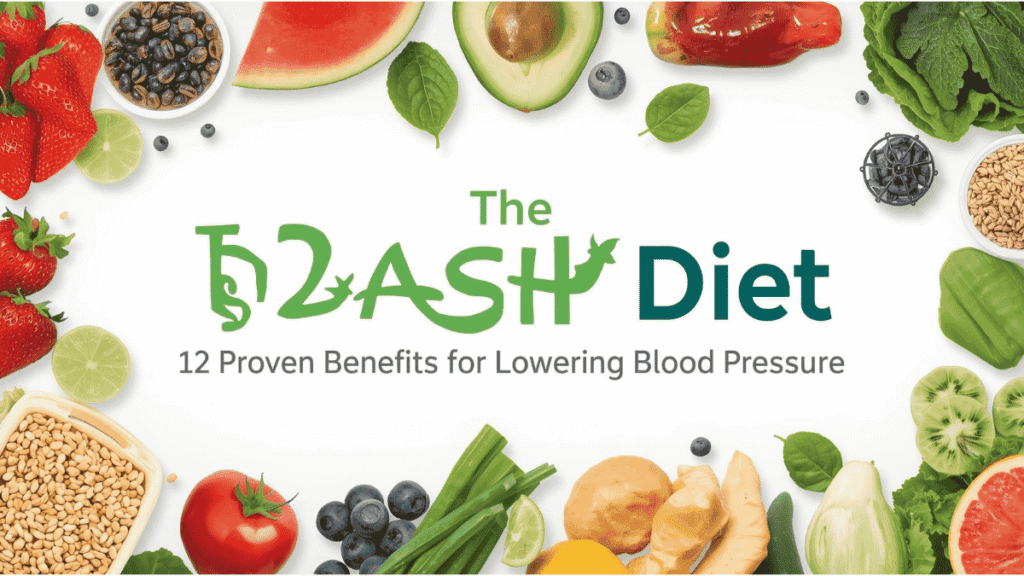
High blood pressure, also known as hypertension, is one of the leading risk factors for heart disease, kidney problems, and stroke. With millions affected worldwide, finding sustainable dietary approaches to manage blood pressure has become critical. One plan consistently backed by research is the DASH Diet (Dietary Approaches to Stop Hypertension).
Unlike fad diets, the DASH Diet doesn’t rely on strict food elimination or extreme calorie restriction. Instead, it emphasizes whole foods, balanced nutrients, and moderate portion sizes. It is rich in fruits, vegetables, whole grains, lean proteins, and low-fat dairy while limiting sodium, added sugars, and saturated fats.
In How to Build Muscle with Proper Nutrition, we discussed how food can enhance performance and strength. Today, we turn to the heart — literally and explore how the DASH Diet lowers blood pressure and promotes cardiovascular health. Tomorrow, we’ll dive into Mediterranean Diet: Why It’s Considered the Healthiest, which offers another globally acclaimed approach to balanced eating.
What is the DASH Diet?
The DASH Diet was originally developed through research funded by the National Heart, Lung, and Blood Institute (NHLBI) to specifically address hypertension. The eating plan emphasises:
- Fruits and Vegetables: At least 4–5 servings daily each.
- Whole Grains: Such as brown rice, oats, and whole wheat bread.
- Lean Protein: Fish, poultry, and plant-based sources like beans and lentils.
- Low-Fat Dairy: Milk, yogurt, and cheese for calcium and protein.
- Limited Sodium: Standard DASH recommends 2,300 mg/day; the lower-sodium version limits to 1,500 mg/day.
- Healthy Fats: Nuts, seeds, and vegetable oils in moderation.
12 Proven Benefits of the DASH Diet
1. Lowers Blood Pressure Naturally
Multiple studies show DASH significantly reduces systolic and diastolic blood pressure, especially in people with hypertension.
2. Reduces Risk of Heart Disease
By lowering blood pressure and cholesterol, DASH cuts cardiovascular risk.
3. Supports Kidney Health
Lower sodium and balanced nutrients ease kidney strain, reducing the risks of kidney disease.
4. Improves Cholesterol Levels
DASH helps lower LDL (bad cholesterol) while maintaining HDL (good cholesterol).
5. Promotes Healthy Weight
Though not designed for weight loss, the focus on whole foods and portion control helps prevent obesity.
6. Stabilises Blood Sugar
Balanced meals reduce insulin spikes, benefiting those at risk for type 2 diabetes.
7. Encourages Portion Control
Like we discussed in Day 28: Importance of Portion Control in Daily Diet, DASH focuses on moderate servings, which support balanced eating.
8. Provides Essential Nutrients
Potassium, magnesium, calcium, and fiber are abundant, supporting bone, muscle, and heart health.
9. Reduces Stroke Risk
By lowering hypertension and cholesterol, DASH decreases the likelihood of stroke.
10. Easy to Adapt and Maintain
Unlike restrictive diets, DASH can be followed by families without major lifestyle disruption.
11. Improves Digestive Health
High fiber intake from fruits, vegetables, and whole grains supports gut health.
12. Backed by Science
Unlike many diet trends, DASH has decades of peer-reviewed evidence supporting its effectiveness.
Research Insights
- The New England Journal of Medicine found that the DASH Diet lowered systolic blood pressure by 11 mmHg in hypertensive patients.
- A Journal of the American Medical Association (JAMA) study reported that DASH improved cholesterol and reduced cardiovascular risk.
- The National Institutes of Health (NIH) continues to recommend DASH as a first-line diet for hypertension management.
Practical Tips to Follow the DASH Diet
- Replace white rice and bread with brown rice or whole wheat versions.
- Snack on fruit and nuts instead of chips or candy.
- Cook with herbs and spices instead of salt.
- Use low-fat dairy products for calcium without excess saturated fat.
- Plan weekly meals to ensure variety and balance.
Conclusion: The DASH Advantage
The DASH Diet isn’t just a temporary plan; it’s a lifestyle approach to reducing blood pressure and supporting long-term health. By focusing on balanced portions, nutrient-rich foods, and sodium control, DASH helps fight hypertension while benefiting overall well-being.
As we move to [Day 35: Mediterranean Diet: Why It’s Considered the Healthiest], you’ll see how different global diets align on one principle: whole, balanced, and sustainable eating for lifelong health.
FAQs on the DASH Diet
Q1. What does DASH stand for?
Dietary Approaches to Stop Hypertension.
Q2. Who should follow the DASH Diet?
People with high blood pressure, heart risk, or anyone wanting balanced nutrition.
Q3. Is the DASH Diet only for people with hypertension?
No, it benefits overall health even in those with normal blood pressure.
Q4. How much sodium does the DASH Diet allow?
Standard: 2,300 mg/day. Lower-sodium: 1,500 mg/day.
Q5. Can DASH help with weight loss?
Yes, indirectly, due to portion control and reduced processed food.
Q6. What foods are not allowed?
Processed meats, excessive salt, sugary drinks, fried foods.
Q7. Are fruits required daily?
Yes, at least 4–5 servings for potassium and fiber.
Q8. Is dairy essential in DASH?
Low-fat dairy is recommended, but alternatives like fortified soy milk can work.
Q9. Can vegetarians follow DASH?
Yes, with beans, lentils, nuts, and seeds for protein.
Q10. How quickly does DASH lower blood pressure?
Some see results in 2–4 weeks.
Q11. Is alcohol allowed?
Yes, in moderation, but limiting supports blood pressure control.
Q12. What’s the difference between DASH and Mediterranean diets?
DASH limits sodium more strictly; Mediterranean emphasizes olive oil and fish.
Q13. Can I eat eggs on DASH?
Yes, in moderation, as a source of protein.
Q14. Are snacks allowed?
Yes, as long as they are healthy (fruit, nuts, yogurt).
Q15. Does DASH require calorie counting?
No, but portion control is key.
Q16. Is DASH safe for kids?
Yes, with adjusted portion sizes.
Q17. Can DASH lower cholesterol, too?
Yes, it reduces LDL and triglycerides.
Q18. Is red meat allowed?
Lean cuts occasionally, but poultry and fish are preferred.
Q19. How many servings of whole grains are recommended?
6–8 daily.
Q20. Can DASH prevent diabetes?
Yes, it helps regulate blood sugar.
Q21. Does DASH improve kidney health?
Yes, by reducing sodium and lowering kidney strain.
Q22. Can DASH be combined with exercise?
Absolutely, it enhances cardiovascular benefits.
Q23. Are processed snacks banned?
They should be minimized due to sodium and unhealthy fats.
Q24. Is DASH more effective than medication?
It can complement medication, but not replace it.
Q25. What oils are best in DASH?
Olive, canola, or other vegetable oils.
Q26. Can DASH help with stress?
Indirectly, by improving heart health and energy.
Q27. How is DASH different from keto?
DASH emphasizes balance; keto restricts carbs heavily.
Q28. Can DASH be followed long-term?
Yes, it’s designed as a sustainable lifestyle.
Q29. Is DASH expensive to follow?
Not necessarily — whole grains, beans, and seasonal produce are affordable.
Q30. What’s the biggest challenge of DASH?
Limiting sodium in packaged and restaurant foods.