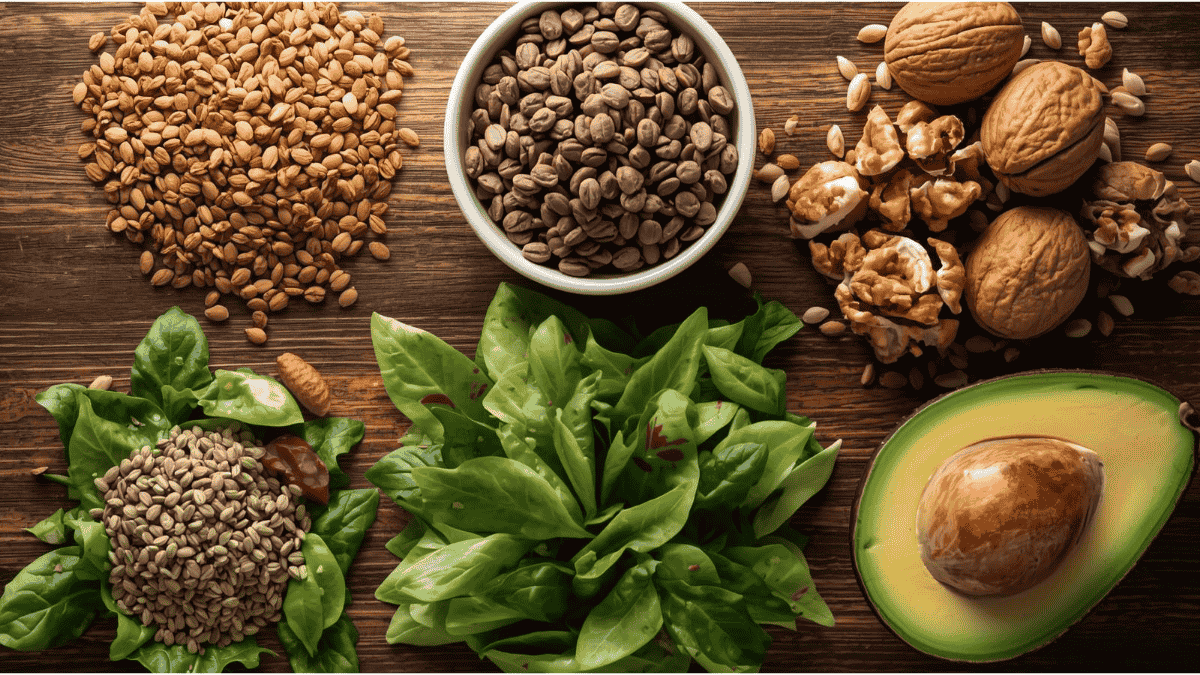
Introduction: Fueling the Body for Peak Performance

Athletes are not just defined by training; they’re built by what fuels them. Every sprint, jump, and lift depends on nutrition that supports stamina, muscle recovery, and endurance.
Yet, one of the most misunderstood aspects of athletic success is diet. Many athletes train hard but neglect the science of eating right for performance.
Sports nutrition bridges that gap. It’s the strategic use of food and nutrients to maximize performance, recovery, and health.
In How to Strengthen Immunity During Seasonal Changes, we explored how nutrition shields the body. Today, we move into performance territory, discovering how athletes can design meals that optimise strength, recovery, and resilience.
Next, in Best Post-Workout Foods for Recovery, we’ll dive deeper into muscle restoration and nutrient timing.
Why Sports Nutrition Matters
The food you eat becomes your body’s energy, strength, and recovery source.
Athletes need more calories, protein, vitamins, and fluids than the average person, but quality matters more than quantity.
Proper sports nutrition:
- Increases endurance and reduces fatigue
- Enhances focus and reaction time
- Speeds up muscle recovery
- Prevents dehydration and cramps
- Reduces injury risk
According to the International Society of Sports Nutrition (ISSN), athletes who follow structured diet plans perform 20–30% better than those without a nutrition strategy.
10 Proven Sports Nutrition Diet Principles for Athletes
1. Prioritise Carbohydrates: The Primary Fuel
Carbs are the body’s most efficient energy source during workouts. They replenish glycogen, which powers muscles during intense activity.
Sources: Whole grains, oats, fruits, sweet potatoes, and brown rice.
Guideline: 5–7 grams of carbs per kilogram of body weight for moderate training, and 7–10 grams for endurance athletes.
2. Protein for Muscle Repair and Growth
Protein rebuilds muscle fibers broken during exercise. Without enough, recovery slows and fatigue increases.
Sources: Eggs, chicken, tofu, lentils, Greek yogurt, and fish.
Guideline: 1.6–2.2 grams of protein per kilogram of body weight per day.
3. Hydration: The Forgotten Game Changer
Even 2% dehydration can reduce performance by 10%.
Hydration maintains blood flow, regulates body temperature, and transports nutrients.
Recommendation:
- 400–600 ml of water 2 hours before exercise
- 150–200 ml every 20 minutes during training
- Electrolyte-rich fluids for long sessions
Use a Water Intake Calculator to tailor your daily hydration needs.
4. Healthy Fats: The Long-Term Energy Source
Good fats are essential for endurance and hormone regulation.
They help athletes sustain performance during long sessions.
Sources: Avocados, nuts, seeds, olive oil, and fatty fish.
Tip: Avoid trans fats and fried foods.
5. Micronutrients: The Performance Enhancers
Vitamins and minerals fine-tune the athlete’s metabolism, oxygen transport, and muscle contraction.
Key Nutrients:
- Iron: Carries oxygen to muscles.
- Calcium & Vitamin D: Strengthen bones.
- Magnesium: Prevents cramps.
- Zinc: Boosts recovery.
Sources: Leafy greens, dairy, nuts, and whole grains.
6. Timing Your Meals for Maximum Performance
Nutrient timing affects energy levels and recovery.
- Pre-workout meal: Eat 2–3 hours before training. Include complex carbs and lean protein.
- Post-workout meal: Eat within 30–45 minutes. Combine carbs and protein to restore glycogen and rebuild muscles.
Example: Banana with peanut butter before exercise, and chicken with rice afterwards.
7. Recovery Nutrition: The 3Rs Rule
After every session, remember the 3Rs:
- Refuel: Replace energy (carbs)
- Repair: Rebuild muscle (protein)
- Rehydrate: Restore fluids and electrolytes
Recovery Smoothie Idea: Blend milk, banana, honey, and oats with a scoop of protein powder.
8. Supplements: When Needed, Not When Trending
While food should be your main source of nutrition, supplements can fill gaps for high-performance athletes.
Safe, science-backed options:
- Whey protein (for quick muscle repair)
- Creatine (for power output)
- Omega-3 (for inflammation control)
- Vitamin D (for bone strength)
Caution: Always consult a sports nutritionist before using supplements.
9. Sleep and Recovery: The Invisible Nutrient
No diet can compensate for poor sleep.
During deep sleep, growth hormone peaks, aiding muscle recovery and immune repair.
Recommendation: 7–9 hours of uninterrupted sleep per night.
10. Customizing Diets by Sport Type
Different sports demand different energy profiles:
| Sport Type | Diet Focus | Key Nutrients |
|---|---|---|
| Endurance (Running, Cycling) | High carbs, steady hydration | Carbs, sodium, potassium |
| Strength (Weightlifting) | High protein, moderate fat | Protein, creatine, zinc |
| Team Sports (Football, Cricket) | Balanced energy and recovery | Carbs, iron, vitamin C |
| Combat Sports (Boxing, MMA) | Lean protein, hydration | Protein, omega-3, magnesium |
Sample One-Day Athlete Diet Plan
| Meal | Example | Purpose |
|---|---|---|
| Breakfast | Oatmeal with fruits, nuts, and milk | Sustained energy |
| Snack | Greek yogurt with honey | Protein boost |
| Lunch | Brown rice, chicken, and vegetables | Recovery fuel |
| Pre-Workout | Banana and almond butter | Quick energy |
| Post-Workout | Smoothie (milk + oats + protein) | Muscle repair |
| Dinner | Fish, quinoa, and spinach | Balanced nutrients |
| Before Bed | Herbal tea or warm milk | Relaxation and recovery |
Science-Backed Insights
- Harvard Health (2023): Athletes with balanced macro and micronutrient diets experience 25% fewer injuries.
- Mayo Clinic: Proper hydration and protein timing improve performance by 15%.
- WHO: Micronutrient deficiency reduces physical endurance and immune defence.
Common Mistakes Athletes Make
- Skipping meals before or after workouts.
- Over-consuming supplements without guidance.
- Ignoring hydration.
- Eating too few carbs before endurance training.
- Not resting enough.
Conclusion: Eat Like You Train: With Purpose
An athlete’s body is like a high-performance machine it thrives only on precision fueling.
By intentionally focusing on carbs for energy, protein for repair, and micronutrients for recovery, you set yourself apart from the average performer.
Nutrition isn’t about eating more; it’s about eating smarter.
Build your diet like your workout plan, structured, consistent, and goal-oriented.
As we move forward to Best Post-Workout Foods for Recovery, we’ll reveal how to time and select meals for faster regeneration and strength gains.
Disclaimer
This article is for educational purposes only and does not replace advice from a certified sports nutritionist. Athletes with medical conditions or specific dietary needs should seek personalised guidance before making major changes.
30 FAQs About Sports Nutrition and Athlete Diets
Q1. What is sports nutrition?
It’s the science of eating for performance, endurance, and recovery.
Q2. Why do athletes need more calories?
They burn more energy through physical activity.
Q3. How much protein do athletes need daily?
Between 1.6 and 2.2 g per kg of body weight.
Q4. Is water enough for hydration?
Yes, but long sessions require electrolytes.
Q5. Can athletes eat carbs at night?
Yes, complex carbs help replenish glycogen.
Q6. What are the best pre-workout foods?
Banana, oatmeal, or a smoothie.
Q7. What are ideal post-workout meals?
Protein shakes, eggs, or chicken with rice.
Q8. Do athletes need supplements?
Only under expert supervision.
Q9. Can a vegetarian athlete perform equally well?
Yes, with proper protein and B12 sources.
Q10. How important is sleep for athletes?
Critical for muscle recovery and focus.
Q11. Can dehydration reduce performance?
Yes, even minor dehydration affects strength.
Q12. What fats should athletes eat?
Unsaturated fats like olive oil and nuts.
Q13. Should athletes avoid sugar?
Avoid refined sugar; natural sources are fine.
Q14. Are energy drinks good?
Occasionally, but water and electrolytes are better.
Q15. How to prevent cramps?
Stay hydrated and get enough potassium and magnesium.
Q16. What are electrolytes?
Minerals like sodium, potassium, and calcium maintain balance.
Q17. Can caffeine help performance?
Yes, in moderation, it boosts focus.
Q18. What is carb loading?
Increasing carbs before an event to maximize glycogen.
Q19. How can female athletes meet calcium needs?
Include dairy and leafy greens.
Q20. What vitamins do athletes need most?
B-complex, D, C, and E.
Q21. How often should athletes eat?
Every 3–4 hours to maintain energy.
Q22. Are cheat meals allowed?
Yes, occasionally to balance cravings.
Q23. What’s the best oil for athletes?
Olive, coconut, or flaxseed oil.
Q24. Can a poor diet affect reaction time?
Yes, nutrient imbalance slows mental focus.
Q25. Do sports drinks replace meals?
No, they only aid hydration.
Q26. Can overtraining affect nutrition absorption?
Yes, it stresses digestion.
Q27. Should athletes avoid dairy?
Only if lactose-intolerant.
Q28. What’s the best recovery ratio of carbs to protein?
3:1 after workouts.
Q29. How to maintain weight for competitions?
Track calories and adjust macros weekly.
Q30. Should I consult a nutritionist?
Yes, for personalised diet planning.