Stress and anxiety are not just mental battles; they also have strong physical effects. From raised blood pressure to hormonal imbalances, unmanaged stress can disrupt daily life. While therapy, exercise, and mindfulness are essential, nutrition also plays a surprisingly powerful role.
Introduction: When Food Meets Mental Health
Certain foods contain compounds that can calm the nervous system, regulate hormones, and support brain health. Choosing the right diet won’t make stress disappear overnight, but it can reduce symptoms and help you cope better.
Previously, we decoded nutrition labels in A Nutritionist’s Guide to Decoding Food Labels, showing how to make smarter shopping choices. Today, we shift from reading labels to selecting foods that directly nurture your mind. Tomorrow, we’ll continue this wellness journey with the Importance of Portion Control in the Daily Diet, which ties closely to managing overall health and mood.
How Food Affects Stress and Anxiety
Food impacts stress through several pathways:
- Blood Sugar Regulation: Stable glucose prevents mood swings and irritability.
- Neurotransmitter Production: Nutrients like tryptophan and magnesium support serotonin and GABA, which calm the brain.
- Inflammation Control: Chronic inflammation is linked to anxiety; anti-inflammatory foods can ease symptoms.
- Gut-Brain Connection: A healthy gut microbiome supports better mental health through the gut-brain axis.
15 Foods That Reduce Stress and Anxiety
1. Dark Chocolate
Contains flavonoids that lower stress hormones and improve mood. A small piece (70% cocoa or higher) can help ease tension.
2. Fatty Fish (Salmon, Mackerel, Sardines)
Rich in omega-3 fatty acids, which reduce inflammation and support brain function. Studies show omega-3 intake may lower anxiety levels.
3. Green Tea
Contains L-theanine, an amino acid that promotes relaxation without drowsiness.
4. Yoghurt and Fermented Foods
Probiotics in yoghurt, kimchi, and sauerkraut improve gut health, which is linked to lower stress and better emotional balance.
5. Blueberries
Packed with antioxidants that fight oxidative stress, which is often heightened during anxiety.
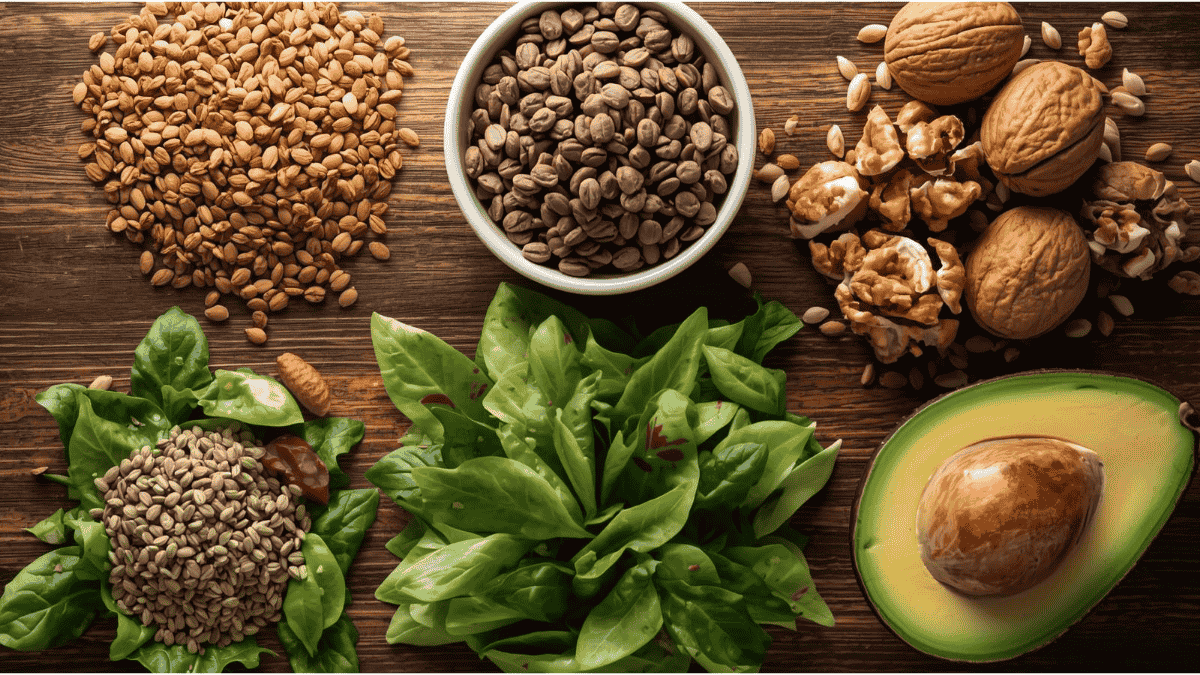
6. Leafy Greens (Spinach, Kale)
High in magnesium, which regulates stress hormones and muscle relaxation.
7. Nuts (Almonds, Walnuts, Pistachios)
Provide vitamin E, magnesium, and omega-3s that improve resilience to stress.
8. Oats and Whole Grains
Slow-releasing carbohydrates stabilize blood sugar and support serotonin production.
9. Avocados
Rich in healthy fats, potassium, and B vitamins, which calm the nervous system.
10. Chamomile Tea
Traditionally used to promote relaxation, chamomile is linked to reduced anxiety symptoms in clinical studies.
11. Turmeric
Curcumin, its active compound, lowers inflammation and boosts brain function.
12. Bananas
Provide vitamin B6, essential for producing neurotransmitters like serotonin and dopamine.
13. Pumpkin Seeds
A rich source of zinc and magnesium, both critical for brain health and stress regulation.
14. Oranges and Citrus Fruits
Vitamin C lowers cortisol levels and boosts immunity, helping the body cope with stress.
15. Eggs
Contain choline and high-quality protein, which support brain signaling and mood balance.
Foods to Limit During Stress and Anxiety
- Caffeine overload: Can trigger jitters and worsen anxiety.
- Sugary snacks: Spike and crash blood sugar, worsening irritability.
- Alcohol: Initially calming, but it disrupts sleep and worsens anxiety over time.
- Highly processed foods: Often high in trans fats and sodium, linked to mood imbalances.
Research Insights: Food and Mental Health
- A Harvard Medical School review highlights the gut-brain connection, showing how probiotics improve mental well-being.
- NIH studies confirm that omega-3 fatty acids reduce anxiety symptoms in clinical trials.
- The Journal of Affective Disorders notes that magnesium supplementation significantly lowers stress markers.
Practical Tips: Eating for Calmness
- Add leafy greens or nuts to your lunch for steady energy.
- Swap sugary desserts with fruit and dark chocolate.
- Replace sodas with green tea or chamomile tea.
- Keep snacks like pumpkin seeds handy for stressful workdays.
Conclusion: Nourishing Calm from the Inside Out
Food alone won’t erase life’s stress, but it’s a powerful ally in building resilience. From omega-3-rich fish to magnesium-loaded leafy greens, each choice can help restore balance. Pairing these foods with good sleep, exercise, and mindful living creates a holistic defence against anxiety.
By recognising the impact of diet on mood, you’re not just feeding your body, you’re feeding your peace of mind.
FAQs on Foods for Stress and Anxiety
Q1. Can certain foods really reduce anxiety?
Yes, foods rich in omega-3s, magnesium, and antioxidants can lower stress levels and improve mood.
Q2. Is dark chocolate good for stress?
Yes, it reduces stress hormones when consumed in moderation (70% cocoa or higher).
Q3. Which fruits reduce stress naturally?
Blueberries, bananas, and citrus fruits are particularly helpful.
Q4. Are nuts good for anxiety?
Yes, walnuts, almonds, and pistachios contain healthy fats and magnesium that reduce anxiety.
Q5. Does caffeine increase anxiety?
High doses can trigger jitters and worsen anxiety symptoms.
Q6. How does magnesium reduce stress?
It regulates cortisol and promotes muscle relaxation.
Q7. Are probiotics good for anxiety?
Yes, gut health influences mood, and probiotics help balance gut bacteria.
Q8. Is green tea better than coffee for stress?
Yes, it contains L-theanine, which promotes calmness without overstimulation.
Q9. Can vitamin C lower stress?
Yes, it reduces cortisol, the body’s stress hormone.
Q10. Does sugar affect anxiety?
Yes, sugar spikes and crashes can worsen mood swings.
Q11. What’s the best breakfast for stress relief?
Oats with fruit and nuts provide steady energy and mood support.
Q12. Can bananas help with anxiety?
Yes, they contain vitamin B6, which aids serotonin production.
Q13. Is alcohol good for stress relief?
No, it may feel calming short-term but worsens anxiety and sleep quality later.
Q14. What role do antioxidants play in anxiety?
They fight oxidative stress, which is linked to anxiety and depression.
Q15. Do eggs help reduce stress?
Yes, they provide protein and choline for brain health.
Q16. Can chamomile tea really calm anxiety?
Yes, it has been shown in studies to reduce anxiety symptoms.
Q17. How does turmeric affect mood?
Curcumin lowers inflammation and supports brain neurotransmitters.
Q18. What foods should I avoid if I’m stressed?
Limit processed foods, high sugar snacks, and excess caffeine.
Q19. Are avocados good for mental health?
Yes, they contain B vitamins and healthy fats that support calmness.
Q20. Can omega-3s reduce anxiety?
Yes, fatty fish like salmon and sardines are proven to help.
Q21. What is the gut-brain axis?
It’s the connection between gut health and brain function, influenced by probiotics.
Q22. Are whole grains better for stress than refined carbs?
Yes, they stabilize blood sugar and promote serotonin release.
Q23. Do citrus fruits improve mood?
Yes, vitamin C lowers stress hormones and boosts energy.
Q24. Can food alone cure anxiety?
No, but it can significantly reduce symptoms when combined with other treatments.
Q25. How often should I eat stress-reducing foods?
Incorporate them daily for long-term benefits.
Q26. Are herbal teas effective for stress?
Yes, chamomile and green tea are especially calming.
Q27. Can dehydration increase stress?
Yes, even mild dehydration can worsen mood and fatigue.
Q28. Are processed snacks harmful for anxiety?
Yes, they often contain high sugar and unhealthy fats linked to mood swings.
Q29. What role does sleep play in food and anxiety?
Good sleep enhances the benefits of stress-reducing foods.
Q30. What’s the best diet for stress management?
A balanced diet rich in whole foods, lean proteins, healthy fats, and probiotics supports long-term mental health.