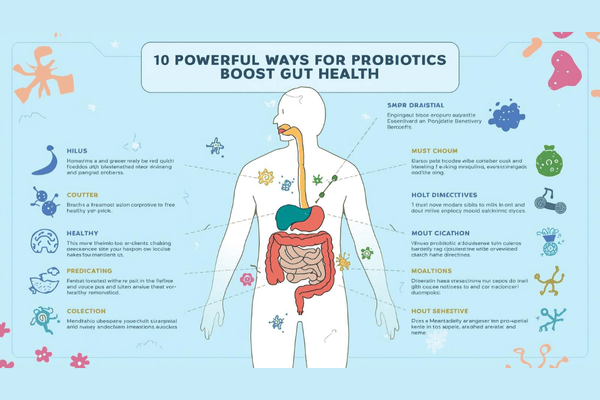
Probiotics have gained attention as one of the most effective ways to improve gut health and support overall wellness. These live microorganisms, often called “good bacteria,” play a crucial role in digestion, immunity, and even mental health. From reducing bloating to boosting mood, probiotics are proving to be more than just a health trend.
In this article, we’ll explore the top 10 benefits of probiotics, the best natural sources, how they impact your body, and practical tips to include them in your diet.
What Are Probiotics and Why Do They Matter?
Probiotics are live bacteria and yeasts that naturally exist in your body, primarily in the gut. They help maintain a healthy balance between good and bad bacteria, which is essential for digestion, nutrient absorption, and immunity.
The gut is often referred to as the “second brain” because of its connection to mental health through the gut-brain axis. When your gut flora is balanced, your entire body benefits.
10 Proven Benefits of Probiotics
1. Improve Digestive Health
Probiotics help break down food, reduce bloating, and ease constipation. They are particularly useful for people with irritable bowel syndrome (IBS).
2. Boost Immunity
A strong immune system begins in the gut. Probiotics stimulate the production of antibodies and fight harmful bacteria, keeping infections at bay.
3. Reduce Inflammation
Chronic inflammation is linked to several diseases. Probiotics help lower inflammation markers, protecting against long-term health issues.
4. Support Weight Management
Studies suggest certain probiotic strains may help regulate appetite and metabolism, reducing fat storage.
5. Improve Nutrient Absorption
Probiotics enhance the absorption of vitamins and minerals such as calcium, magnesium, and iron.
6. Promote Mental Health
Through the gut-brain axis, probiotics can reduce stress, anxiety, and depression. They also improve focus and memory.
7. Enhance Skin Health
Skin issues like acne and eczema are often linked to gut imbalance. Probiotics restore balance and improve skin clarity.
8. Balance Blood Sugar Levels
Some strains help regulate insulin sensitivity, reducing the risk of type 2 diabetes.
9. Support Heart Health
Probiotics lower LDL (bad) cholesterol and blood pressure, reducing the risk of heart disease.
10. Aid Recovery After Antibiotics
Antibiotics wipe out both good and bad bacteria. Probiotics help restore gut health faster.
Best Natural Sources of Probiotics
- Yogurt (with live cultures)
- Kefir
- Kimchi
- Sauerkraut
- Miso
- Tempeh
- Kombucha
- Pickles (fermented in brine)
Adding these to your diet can significantly boost your gut health.
Probiotics vs. Prebiotics: What’s the Difference?
While probiotics are beneficial bacteria, prebiotics are fibers that feed them. Foods like garlic, onions, bananas, and oats act as fuel for probiotics. For optimal gut health, you need both.
How Much Probiotics Do You Really Need?
Experts recommend at least 1 billion to 10 billion CFU (colony-forming units) per day, depending on the strain and health condition. For most people, consuming probiotic-rich foods daily is enough, but supplements can also be used when necessary.
Tips for Adding Probiotics to Your Daily Diet
- Start with yogurt or kefir at breakfast.
- Add fermented vegetables like kimchi or sauerkraut as a side dish.
- Try probiotic drinks like kombucha.
- Take probiotic supplements if advised by a doctor.
- Pair probiotics with prebiotics for maximum benefits.
The Role of Probiotics in Modern Nutrition
Probiotics are more than a trend; they are a crucial part of nutrition. Just as we focus on macronutrients (carbs, proteins, fats), gut health deserves equal attention. As science continues to explore their potential, probiotics may become a standard recommendation for overall wellness.
Related Topics
Probiotics are closely tied to other nutrition strategies. For example, in case you missed it, we recently covered 7 Fascinating Facts About the Science Behind Intermittent Fasting, where we explained how eating patterns impact metabolism and gut balance. Intermittent fasting and probiotics often work together to support gut health.
Looking ahead, don’t miss our next topic, Top 6 foods Natural Ways to Lower Cholesterol with Food, where we’ll discuss another important piece of the nutrition puzzle, antioxidants and their role in protecting cells from damage.
30 FAQs on Probiotics and Gut Health
Q1. What are probiotics?
Probiotics are live bacteria and yeasts that promote gut health and overall wellness.
Q2. Are probiotics safe for everyone?
Yes, they are generally safe, but people with weak immune systems should consult a doctor.
Q3. Can probiotics cause side effects?
Mild bloating and gas can occur initially but usually subside.
Q4. Do probiotics help with constipation?
Yes, certain strains improve bowel movements and ease constipation.
Q5. Can probiotics improve skin health?
Yes, they reduce acne and eczema by restoring gut balance.
Q6. How do probiotics affect mental health?
They regulate the gut-brain axis, reducing anxiety and stress.
Q7. Do probiotics help with weight loss?
Some strains support weight management by regulating appetite and metabolism.
Q8. Can probiotics replace antibiotics?
No, but they can restore gut health after antibiotic use.
Q9. What is the difference between probiotics and prebiotics?
Probiotics are live bacteria, while prebiotics are fibers that feed them.
Q10. Which foods are rich in probiotics?
Yogurt, kefir, kimchi, sauerkraut, miso, and kombucha.
Q11. Do probiotics boost immunity?
Yes, they stimulate antibodies and fight harmful bacteria.
Q12. Can probiotics lower cholesterol?
Yes, some strains reduce LDL cholesterol.
Q13. Are supplements better than food sources?
Whole foods are preferred, but supplements can help if needed.
Q14. How many probiotics should I take daily?
Around 1–10 billion CFUs are usually recommended.
Q15. Can children take probiotics?
Yes, in age-appropriate doses, often through yogurt or supplements.
Q16. Do probiotics improve nutrient absorption?
Yes, they enhance the absorption of vitamins and minerals.
Q17. Can probiotics help with IBS?
Yes, they reduce bloating, gas, and irregular bowel movements.
Q18. Do probiotics affect sleep quality?
Indirectly, by improving digestion and reducing stress.
Q19. How long do probiotics take to work?
Benefits can be seen within 2–4 weeks of regular use.
Q20. Can probiotics prevent infections?
Yes, they strengthen immunity and fight harmful bacteria.
Q21. Do probiotics help with allergies?
Some strains reduce inflammation and allergy symptoms.
Q22. Can probiotics regulate blood sugar?
Yes, they help improve insulin sensitivity.
Q23. Do probiotics affect pregnancy?
They may support digestion and immunity during pregnancy. Always consult a doctor.
Q24. Can probiotics improve focus and memory?
Yes, through the gut-brain connection.
Q25. Are probiotics vegan-friendly?
Many are, including sauerkraut, kimchi, and kombucha.
Q26. Do probiotics need to be refrigerated?
Some do, while others are shelf-stable depending on the strain.
Q27. Can probiotics reduce stress?
Yes, they balance cortisol levels and improve mood.
Q28. Do probiotics help with lactose intolerance?
Yes, they improve the digestion of lactose in sensitive people.
Q29. Are probiotics recommended daily?
Yes, daily intake is ideal for long-term gut balance.
Q30. Can probiotics extend lifespan?
Indirectly, by preventing chronic diseases and improving overall health.