Vegetarian: Excludes meat and fish but may include dairy or eggs.
Flexitarian: Primarily plant-based but allows occasional meat or fish.
Whole-Food Plant-Based: Emphasises unprocessed plant foods like whole grains, beans, vegetables, fruits, nuts, and seeds.
Introduction
Nutrition trends come and go, but one lifestyle choice continues to grow in popularity around the world: the plant-based diet. Far more than a trend, it is a way of eating that emphasises fruits, vegetables, legumes, nuts, seeds, and whole grains while reducing or eliminating animal products.
The plant based diet benefits are not just about weight loss or ethical choices: they touch nearly every aspect of health, from digestion to heart strength to longevity. In our last article on micronutrients and their impact on overall health, we explained how vitamins and minerals shape immunity, energy, and development. Many of those micronutrients are abundant in plant foods, making a plant-based lifestyle both practical and powerful.
In this article, we’ll explore the wide-ranging advantages of eating more plants, supported by scientific findings and real-world evidence.
Understanding a Plant-Based Diet
A plant based diet doesn’t necessarily mean going fully vegan. Instead, it focuses on making plants the centre of meals while keeping animal products minimal or optional. Common variations include:
- Vegan: Excludes all animal products, including dairy and eggs.
- Vegetarian: Excludes meat and fish but may include dairy or eggs.
- Flexitarian: Primarily plant-based but allows occasional meat or fish.
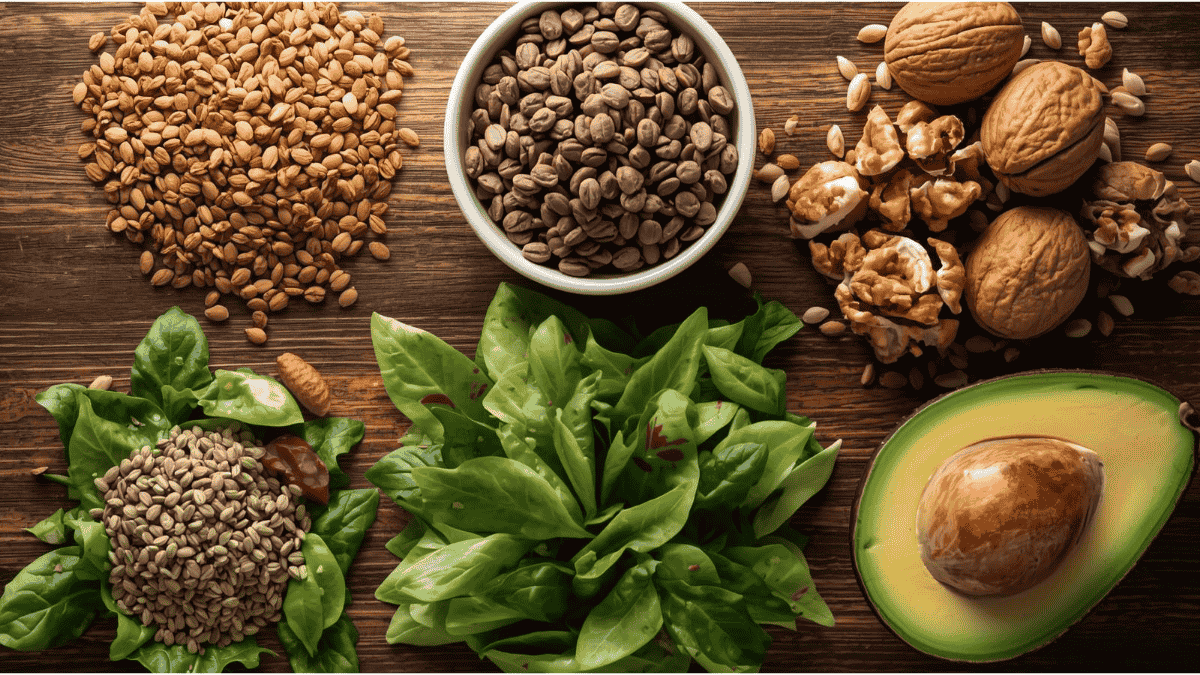
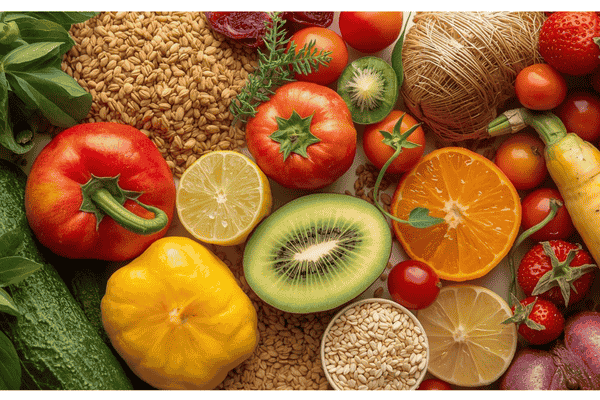
- Whole-Food Plant-Based: Emphasises unprocessed plant foods like whole grains, beans, vegetables, fruits, nuts, and seeds.
What they all share is the idea that plant foods should dominate the plate.
Plant-Based Diet Benefits for Heart Health
One of the strongest plant based diet benefits is cardiovascular protection. Research shows that diets high in fruits, vegetables, and whole grains reduce cholesterol, lower blood pressure, and improve blood vessel function.
- Fiber’s role: Soluble fiber from oats, beans, and apples helps reduce LDL cholesterol.
- Antioxidants: Plant foods are rich in antioxidants that prevent artery damage.
- Potassium: Abundant in bananas, spinach, and beans, potassium lowers blood pressure.
A large-scale Harvard study found that people following plant-based eating patterns had a 25% lower risk of dying from heart disease compared to those with high animal food intake.
Weight Management and Metabolism
A plant-based lifestyle naturally supports weight management. Whole plant foods are typically lower in calories and higher in fiber, creating a sense of fullness without overeating.
- Fiber-rich meals slow digestion, preventing rapid blood sugar spikes.
- Lower calorie density means you can eat more volume for fewer calories.
- Improved metabolism results from reduced saturated fat and better nutrient balance.
In real-world trials, participants who switched to a plant-based diet lost more weight than those on conventional calorie-restricted diets—without strict portion control.
Digestive Health and Gut Microbiome
The plant-based diet benefits extend to digestive health, primarily due to fiber. Unlike animal products, which contain no fiber, plant foods fuel the gut microbiome.
- Prebiotic fibers from bananas, garlic, and whole grains feed healthy gut bacteria.
- A diverse microbiome supports immunity, nutrient absorption, and mental health.
- Reduced risk of constipation and colon cancer is linked to high-fiber diets.
This ties back to our earlier discussion on fiber’s role in digestion, showing how plant-based eating is naturally aligned with digestive wellness.
Cancer Prevention Potential
Plant foods are rich in phytochemicals—natural compounds with protective properties. For example:
- Cruciferous vegetables (broccoli, kale, cabbage) contain sulforaphane, which may reduce cancer risk.
- Lycopene in tomatoes has been linked to lower prostate cancer risk.
- Isoflavones in soy may reduce hormone-related cancer risks.
Studies show that populations consuming primarily plant-based diets tend to have lower rates of colon, breast, and prostate cancers.
Diabetes Management and Prevention
One of the overlooked plant-based diet benefits is its impact on blood sugar control. Whole grains, legumes, and vegetables help regulate glucose levels.
- Lower glycemic index foods reduce post-meal spikes.
- Improved insulin sensitivity results from weight management and reduced fat intake.
- Protective compounds like polyphenols in berries enhance metabolic health.
In fact, the American Diabetes Association recognises plant-based eating as a safe and effective option for both prevention and management of type 2 diabetes.
Micronutrient Richness of Plant Foods
Earlier, we explored micronutrients and their impact on overall health. Many of these essential nutrients are plentiful in plant-based diets:
- Vitamin C from citrus and peppers
- Magnesium from nuts, seeds, and legumes
- Folate from leafy greens
- Potassium from bananas, avocados, and sweet potatoes
Although certain nutrients like vitamin B12 and omega-3 fatty acids require attention, a well-planned plant-based diet can meet nearly all nutritional needs.
Longevity and Ageing Gracefully
Blue Zones—regions known for long life expectancy—share a common trait: plant-based diets. From Okinawa, Japan, to Sardinia, Italy, people who live past 100 often eat mostly plant foods.
Key longevity-related plant-based diet benefits include:
- Lower rates of chronic disease
- Reduced inflammation
- Better physical mobility and brain health in older age
This lifestyle not only adds years to life but also life to years.
Environmental and Ethical Benefits
Beyond personal health, plant-based eating has a positive global impact. Reducing meat and dairy consumption helps lower greenhouse gas emissions, conserve water, and reduce deforestation.
- Producing plant foods uses fewer natural resources.
- Lower reliance on industrial animal farming reduces antibiotic resistance risks.
- Many choose plant-based diets to align with animal welfare values.
The environmental dimension makes plant-based diets a win for both individuals and the planet.
Overcoming Challenges of Plant-Based Eating
While the benefits are clear, transitioning can come with challenges:
- Protein concerns: Easily solved with beans, lentils, tofu, tempeh, and quinoa.
- Vitamin B12: Best managed with supplements or fortified foods.
- Social adjustments: Planning ahead makes dining out easier.
Education and gradual changes help individuals reap plant-based diet benefits without feeling restricted.
Practical Tips for a Plant-Based Lifestyle
- Start with “Meatless Mondays” and expand gradually.
- Build meals around vegetables, then add protein and grains.
- Experiment with plant-based recipes like lentil soups, chickpea curries, or tofu stir-fries.
- Keep healthy snacks like nuts, fruits, or hummus handy.
- Consult a dietitian if unsure about meeting nutrient needs.
Consistency, not perfection, is the key to success.
Looking Ahead: Antioxidants and Disease Prevention
One major reason plant foods are so powerful is their high antioxidant content. These compounds protect cells from damage and play a major role in preventing chronic diseases. In our next article, we will dive into antioxidants and their role in disease prevention to understand how they work alongside a plant-based lifestyle.
Conclusion
Adopting a diet centred on plants is one of the simplest yet most powerful ways to improve overall wellness. The plant-based diet benefits go far beyond nutrition—they protect the heart, support digestion, regulate weight, reduce the risk of chronic disease, and even promote longevity. Beyond health, this approach also contributes to sustainability, making it a choice that supports both the individual and the planet.
Transitioning doesn’t have to be overwhelming. Start small, plan meals around whole foods, and use tools like a free macros calculator to make sure your nutrient needs are being met. Whether you go fully plant-based or simply shift toward eating more fruits, vegetables, grains, and legumes, the rewards are long-lasting.
By combining this way of eating with attention to micronutrients, hydration, and balance, you’ll be laying down the foundation for a healthier and more fulfilling life.