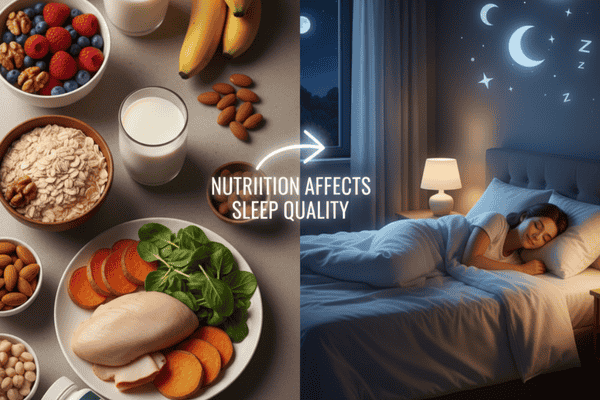
Sleep is not just about resting your body. It is a complex biological process that restores energy, supports memory, balances hormones, and strengthens the immune system. While many factors influence sleep, nutrition plays a direct and often underestimated role in sleep quality
What you eat and when you eat can either help you fall asleep faster and stay asleep longer or leave you tossing and turning at night.
In this article, we’ll explore how nutrition affects sleep quality, the best and worst foods for restful nights, and how to design a diet that works with your body’s natural sleep cycles.
Why Sleep and Nutrition Are Closely Connected
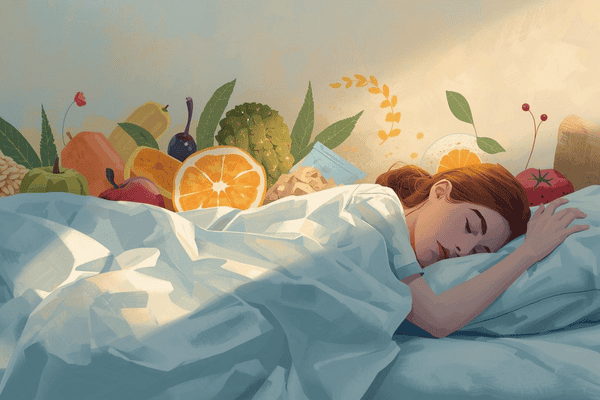
Food fuels our bodies, but it also impacts brain chemicals and hormones that regulate the sleep-wake cycle. Nutrients like magnesium, tryptophan, and B vitamins influence melatonin production, the hormone responsible for signalling bedtime. Poor diet choices, such as excess sugar, caffeine, or alcohol, can disrupt this cycle and lead to insomnia.
Just as seasonal eating supports overall wellness (as we discussed in The Benefits of Eating Seasonal Fruits and Vegetables, mindful food choices also contribute directly to better sleep.
Key Nutrients That Influence Sleep
Magnesium: The Natural Relaxant
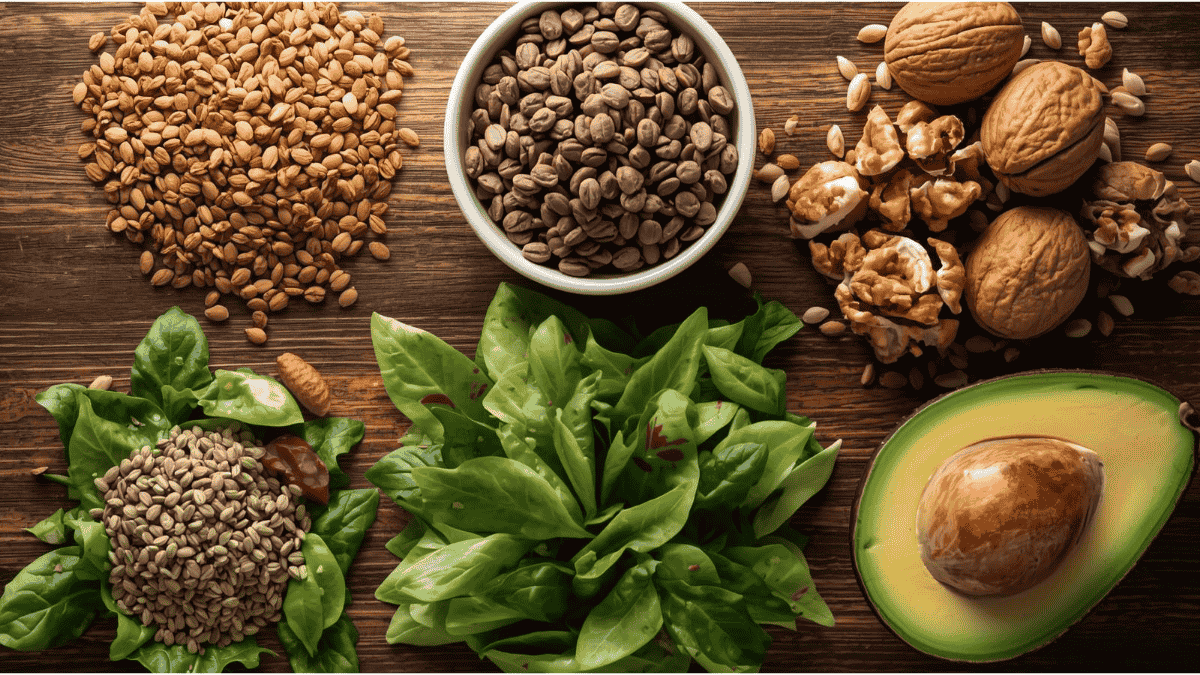
Magnesium helps calm the nervous system and reduces stress, making it easier to fall asleep. Foods rich in magnesium include spinach, pumpkin seeds, almonds, and dark chocolate.
Tryptophan: The Sleep Amino Acid
Tryptophan is an amino acid that is converted into serotonin, which is then converted into melatonin. Turkey, milk, bananas, and oats are excellent sources.
Vitamin B6: The Sleep Hormone Helper
Vitamin B6 assists in producing serotonin and melatonin. Foods such as salmon, chickpeas, and fortified cereals are good sources of this nutrient.
Calcium: Supports Deep Sleep
Calcium helps the brain use tryptophan to produce melatonin. Dairy products, kale, and sesame seeds are all rich in calcium.
Omega-3 Fatty Acids: Calming the Mind
Omega-3s reduce inflammation and improve brain function, indirectly promoting healthy sleep patterns. Fatty fish like salmon, sardines, and mackerel are the best sources.
Foods That Improve Sleep Quality
- Warm milk: Rich in tryptophan and calming for the body.
- Bananas: High in potassium and magnesium.
- Cherries: Natural source of melatonin.
- Oats: Promote serotonin production.
- Nuts (almonds, walnuts): Provide magnesium and healthy fats.
Foods That Disrupt Sleep
- Caffeine: Found in coffee, tea, energy drinks, and even chocolate. It can delay sleep onset and reduce deep sleep.
- Spicy foods: Cause indigestion and acid reflux at night.
- Sugary snacks: Lead to energy spikes and crashes.
- Alcohol: Makes you drowsy but disrupts sleep cycles.
- Heavy or fatty meals before bed: Slow digestion and disturb rest.
The Timing of Meals Matters
When you eat can be as important as what you eat. Eating large meals right before bed can cause discomfort, while long gaps between dinner and sleep may lead to late-night snacking. Experts recommend finishing dinner at least 2–3 hours before bedtime.
The Gut-Sleep Connection
The gut microbiome, the collection of bacteria in your digestive system, influences sleep quality. Fermented foods like yoghurt, kefir, sauerkraut, and kimchi improve gut health, which in turn supports better sleep.
How Hydration Affects Sleep
Dehydration can lead to dry mouth, leg cramps, and frequent awakenings. However, drinking too much water close to bedtime may cause bathroom trips at night. Striking a balance is key.
Designing a Sleep-Friendly Diet
- Focus on whole foods rich in sleep-promoting nutrients.
- Reduce processed and sugary foods.
- Limit caffeine intake after early afternoon.
- Choose lighter dinners and avoid late-night snacking.
- Stay hydrated throughout the day, but taper fluid intake in the evening.
Lifestyle Habits That Complement Nutrition
- Regular exercise: Boosts sleep quality, but avoid vigorous workouts right before bed.
- Mindful eating: Helps prevent indigestion and late-night cravings.
- Consistent sleep schedule: Reinforces your circadian rhythm.
- Limit screen time: Blue light interferes with melatonin production.
Sleep is one of the most important pillars of health, and diet is one of the most powerful tools to improve it. By choosing foods that promote relaxation, avoiding stimulants, and balancing meal timing, you can transform your nightly rest.
Just like seasonal foods support long-term health, the right nutrition can restore your sleep cycle. As we move forward, the next discussion, 7 Fascinating Facts About the Science Behind Intermittent Fasting, will explore how meal timing strategies like fasting affect metabolism, weight, and overall well-being.
FAQs on How Nutrition Affects Sleep Quality
1. What foods help me sleep faster?
Foods rich in magnesium and tryptophan, such as bananas, almonds, and warm milk, help you fall asleep faster.
2. Is milk really good for sleep?
Yes, warm milk contains tryptophan and can promote relaxation, making it easier to drift off.
3. Which fruits are best for sleep?
Cherries, kiwis, and bananas are proven to support better sleep quality.
4. Does sugar affect sleep?
Yes. Excess sugar can lead to energy spikes and crashes, making it harder to sleep well.
5. Can caffeine ruin sleep?
Yes, caffeine delays sleep onset and reduces the amount of deep sleep.
6. What should I avoid eating at night?
Avoid caffeine, spicy foods, heavy meals, and alcohol close to bedtime.
7. Do nuts improve sleep?
Yes, almonds and walnuts are rich in magnesium and melatonin, both of which promote restful sleep.
8. How does magnesium help with sleep?
Magnesium relaxes muscles, calms the nervous system, and supports deep sleep.
9. Can dehydration cause insomnia?
Yes, dehydration may cause cramps, dry mouth, and awakenings during the night.
10. Does alcohol improve sleep?
No. Alcohol may make you drowsy, but it disrupts sleep cycles and reduces the quality of rest.
11. Which vitamins are good for sleep?
Vitamin B6 and Vitamin D are important for melatonin production and healthy sleep.
12. Is it bad to eat before bed?
Eating large meals before sleep can cause indigestion and discomfort. Light snacks are better.
13. Can skipping dinner affect sleep?
Yes. Going to bed hungry can cause restlessness and late-night cravings.
14. How do omega-3s affect sleep?
Omega-3 fatty acids reduce inflammation, improve brain function, and support better sleep cycles.
15. Do probiotics help with sleep?
Yes, probiotics improve gut health, which is closely linked to sleep quality.
16. Is tea good or bad for sleep?
Herbal teas like chamomile are calming, but avoid caffeinated teas in the evening.
17. Can chocolate cause sleep problems?
Yes. Dark chocolate contains caffeine, which may delay sleep.
18. Do carbs help with sleep?
Complex carbs like oats can increase serotonin, supporting restful sleep.
19. Does intermittent fasting affect sleep?
Yes, it can improve sleep quality if meals are timed well, but skipping meals too late can cause hunger at night.
20. Can stress eating harm sleep?
Yes. Overeating or choosing unhealthy snacks before bed can disturb sleep.
21. Does lack of sleep affect diet?
Yes. Poor sleep often triggers cravings for sugary and fatty foods.
22. Is cheese bad at night?
Small portions are fine, but large amounts may cause indigestion and discomfort.
23. Do leafy greens help sleep?
Yes. Leafy greens provide magnesium and calcium, both beneficial for sleep.
24. What is the best bedtime snack?
A banana with nut butter or a small bowl of oats makes an ideal bedtime snack.
25. Can water improve sleep?
Staying hydrated helps overall rest, but avoid drinking too much water right before bed.
26. Does vitamin D deficiency affect sleep?
Yes. Low vitamin D levels are linked to poor sleep and fatigue.
27. What role does melatonin play in sleep?
Melatonin regulates your sleep–wake cycle, signalling your body when it’s time to rest.
28. Can a high-protein diet affect sleep?
Too much protein at night may cause discomfort. Balance with carbs for better sleep.
29. Is fasting before bed helpful?
A light fast may support digestion, but extreme fasting can cause hunger and disrupt sleep.
30. Can poor sleep weaken immunity?
Yes. Sleep is vital for a strong immune system, and poor rest lowers your body’s defence.