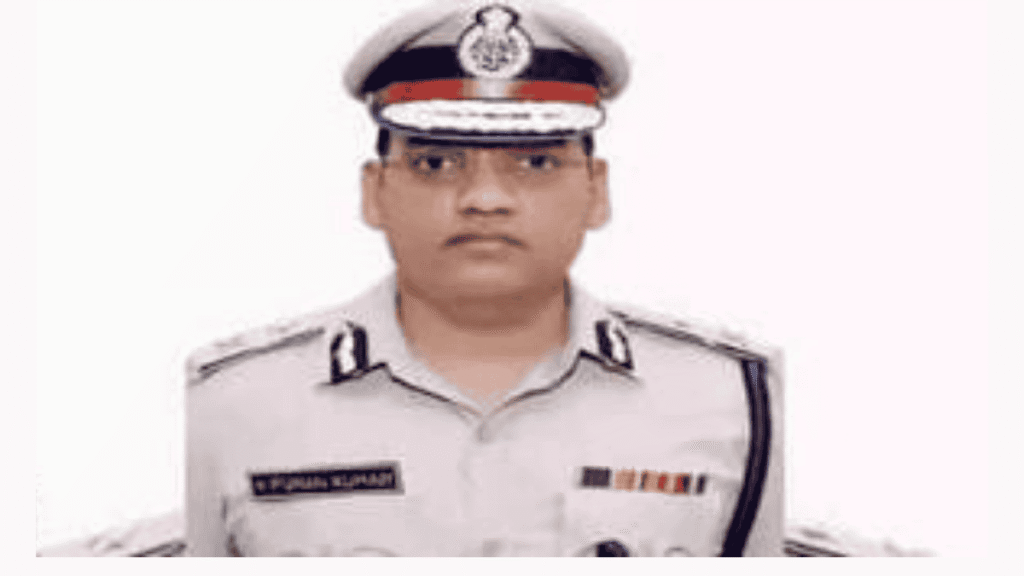
IPS Officer Suicide case: The alleged suicide of senior IPS officer Y. Puran Kumar in Chandigarh has sparked nationwide outrage and raised serious questions about caste discrimination and mental harassment within the police force. The 2001-batch officer was found dead at his official residence on October 7, with a note reportedly naming multiple senior officers as responsible for years of humiliation and bias.
The case has now become one of the most debated issues in administrative circles, drawing attention from political leaders, civil rights groups, and law enforcement agencies.
IPS Officer Suicide case: Family Alleges Harassment and Discrimination
According to the complaint filed by Puran Kumar’s wife, Amneet P. Kumar, who is also an IAS officer, her husband was repeatedly subjected to caste-based discrimination by senior colleagues. In a detailed note recovered from his residence, the officer reportedly named eight serving IPS officers, a retired IPS officer, and three retired IAS officers for harassing and defaming him.
She alleged that the harassment was professional and personal, targeting his identity and reputation over a long period. Following the family’s appeal, authorities have now added Section 3(2)(v) of the Scheduled Castes and Scheduled Tribes (Prevention of Atrocities) Act, which allows for stricter punishment when crimes are committed against members of the SC or ST communities.
IPS Officer Suicide Case: Autopsy Delay and Family’s Demands
More than a week after the officer’s death, no post-mortem has been conducted. His family has refused to consent to the autopsy until all accused officers are named in the FIR and removed from their official positions. Despite multiple meetings between senior police officials and the family, no agreement has been reached.
Hospital authorities confirmed that the officer’s body remains in cold storage, while legal experts have warned that prolonged delay could affect forensic accuracy. Officials say a magistrate may authorise the autopsy if the family continues to withhold consent, given the case’s legal sensitivity.
IPS Officer Suicide Case: Government Action and SIT Formation
In response to public pressure, the Haryana government has announced a Special Investigation Team (SIT) led by IG Pushpendra Kumar to probe the case.
The administration has also transferred Rohtak SP Narendra Bijarniya, one of the officers named in the suicide note.
Political and public outrage has continued to grow. The Punjab Congress demanded the immediate dismissal and arrest of Haryana DGP Shatrujeet Kapur, accusing the government of protecting senior officials. Punjab Finance Minister Harpal Singh Cheema said the note reveals “years of humiliation rooted in caste bias,” calling it a “systemic failure of justice.”
IPS Officer Suicide Case: Protests and Growing Public Pressure
Students and activists across several universities, including Panjab University, have staged protests demanding justice and stronger implementation of anti-discrimination laws in the bureaucracy.
Supporters of Puran Kumar have formed a 31-member committee, Shaheed Y. Puran Singh Nyaya Sangharsh Morcha, to coordinate protests and ensure that the case is not diluted.
Former minister Brijendra Singh warned that ignoring such cases deepens caste divides in society, while BSP chief Mayawati called for a “time-bound, transparent inquiry.”
IPS Officer Suicide Case: Background and Broader Impact
Y. Puran Kumar was widely respected in Haryana’s police force and known for his commitment to public service. His death has once again brought the issue of caste discrimination in government institutions into focus. Activists say the case shows how deep-rooted social bias continues to affect even senior officers in India’s bureaucracy.
Legal experts add that under the SC/ST (Prevention of Atrocities) Act, proving caste-based intent will be key to prosecution. The SIT will now examine digital evidence, text messages, and witness testimonies to verify the allegations.
IPS Officer Suicide Case: Current Situation
- The autopsy remains pending as of now.
- The SIT has begun collecting digital and written evidence.
- Political parties across the spectrum are demanding the arrest of named officials.
- Civil groups and Dalit rights activists continue protests in Haryana, Punjab, and Delhi.
The case is now being closely monitored by national agencies and civil rights groups, with calls for stronger institutional protection against workplace harassment and caste prejudice.
Sources:
NDTV |
Times of India |
Indian Express