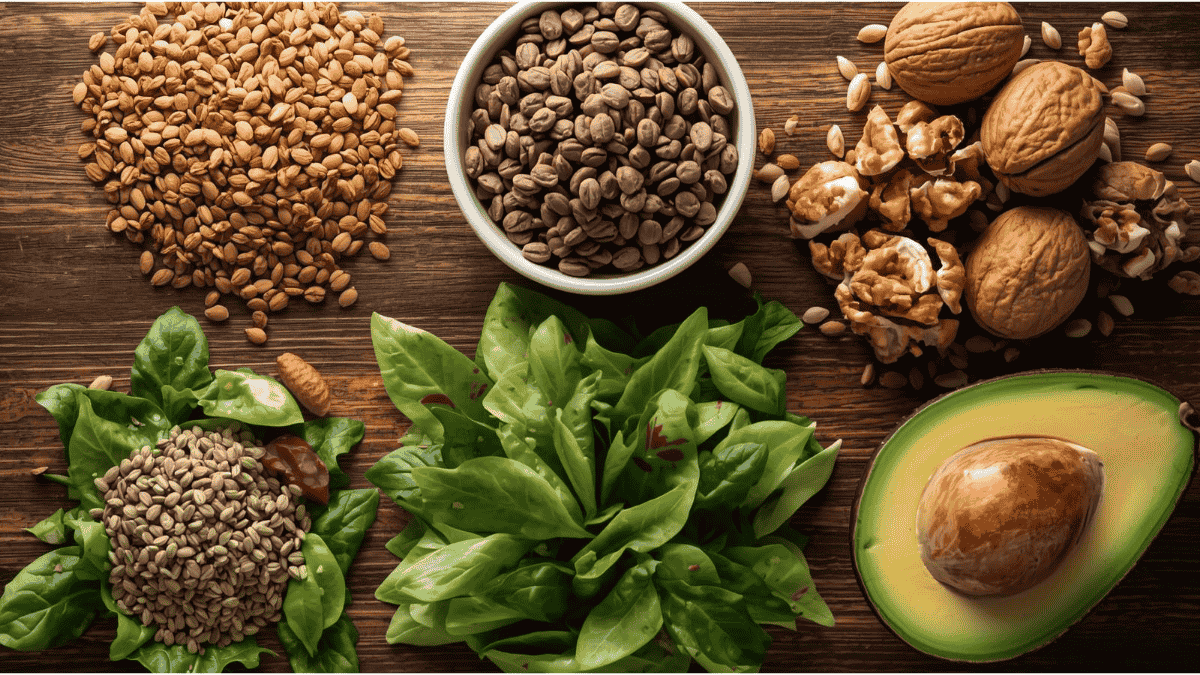
Digestive Health Introduction: The Gut: Your Body’s Hidden Control Center

A healthy gut does far more than digest food. It influences your energy, immunity, mental clarity, and even your mood. When digestion slows or gut bacteria become imbalanced, you may experience bloating, fatigue, or frequent illnesses.
The good news? The path to better digestion doesn’t require complicated cleanses or expensive supplements. It begins with everyday foods that naturally nourish your gut, strengthen beneficial bacteria, and keep the digestive system running smoothly.
In How Nutrition Affects Hormonal Balance, we explored how diet supports hormonal harmony. Today, we delve deeper into the digestive system, often referred to as “the second brain”, to understand how informed food choices can help restore internal balance. In Gluten-Free Diet: Who Really Needs It?, we’ll separate myth from medical need in gluten-free eating.
Why Digestive Health Matters
The digestive system is responsible for breaking down food, absorbing nutrients, and eliminating waste. Inside your gut lives a vast network of microorganisms known as the gut microbiome, trillions of bacteria that regulate immunity, hormones, and even brain function.
A healthy gut: Digestive Health
- Enhances nutrient absorption
- Reduces bloating and constipation
- Strengthens the immune system
- Improves mental focus and mood
- Supports long-term metabolic health
According to the World Health Organization (WHO), nearly 70% of immune cells are located in the gut, meaning good digestion equals strong defence.
10 Foods That Improve Digestive Health Naturally
1. Yogurt The Probiotic Powerhouse
Yogurt contains live bacteria such as Lactobacillus and Bifidobacterium, which help balance gut flora. Regular consumption improves digestion and reduces bloating.
Tip: Choose plain, unsweetened yogurt to avoid hidden sugars that feed bad bacteria.
2. Kefir Fermented Milk for a Stronger Gut
Kefir offers a richer probiotic profile than yogurt. It aids lactose digestion and boosts the diversity of beneficial bacteria.
Research: A Harvard Health study found kefir reduces inflammation and supports healthy bowel movements.
3. Bananas The Gentle Healer
Bananas are rich in prebiotics that feed healthy bacteria. They soothe the stomach lining and restore electrolytes lost during digestive distress.
Best time: Morning or post-meal to regulate acidity and bowel rhythm.
4. Oats The Fiber Champion
Oats contain soluble fiber known as beta-glucan, which supports bowel movement and balances cholesterol. They also help feed gut microbes.
Tip: Start your day with oatmeal topped with fruit and nuts for a fiber-rich breakfast.
5. Leafy Greens Nature’s Detox Agents
Spinach, kale, and lettuce are packed with chlorophyll, which cleanses the digestive tract and boosts good bacteria.
Nutrient Focus: Fiber, folate, and antioxidants that help maintain bowel regularity and reduce inflammation.
6. Ginger The Ancient Remedy
Used for centuries in traditional medicine, ginger stimulates digestive enzymes, reduces nausea, and relieves bloating.
How to use: Add fresh ginger to tea or meals to ease stomach discomfort.
7. Papaya The Enzyme Enhancer
Papaya contains papain, an enzyme that helps break down proteins and promotes smooth digestion. It’s particularly helpful after heavy meals.
Bonus: Also rich in vitamin C and antioxidants that support immunity.
8. Fermented Foods Building a Healthy Gut Community
Kimchi, sauerkraut, and miso are fermented foods packed with probiotics that improve digestion and nutrient absorption.
Note: Add them gradually to avoid gas or discomfort if you’re new to fermented foods.
9. Apples The Natural Detox Fruit
Apples provide pectin, a soluble fiber that promotes the growth of good bacteria and helps remove toxins from the colon.
Tip: Eat apples with the skin to maximize fiber intake.
10. Water The Unsung Hero of Digestion
Hydration is essential for moving nutrients through the intestines and preventing constipation.
Recommendation: Aim for 8–10 glasses daily; include herbal teas or water-rich foods like cucumber and oranges.
Digestive Health: The Science Behind Gut Health
The gut communicates directly with the brain through the gut-brain axis. When your digestive system is balanced, mood-regulating hormones like serotonin function efficiently, helping improve sleep, stress response, and emotional health.
A Mayo Clinic study found that people with diverse gut bacteria experience better digestion, higher energy, and reduced inflammation.
For Digestive Health: Common Causes of Poor Digestion
- Processed or low-fiber diets
- Excessive alcohol or caffeine
- Lack of hydration
- Overeating or eating too fast
- Stress and sleep deprivation
- Frequent antibiotic use
For Digestive Health Sample Gut-Friendly Meal Plan
| Meal | Example | Digestive Focus |
|---|---|---|
| Breakfast | Oatmeal with banana and flaxseeds | Fiber + prebiotics |
| Mid-Morning Snack | Yogurt or kefir | Probiotics |
| Lunch | Brown rice, lentils, spinach | Fiber + magnesium |
| Evening Snack | Green tea and fruit | Antioxidants |
| Dinner | Grilled fish with steamed vegetables | Protein + omega-3 |
| Before Bed | Chamomile tea | Calming digestion |
Digestive Health: How to Naturally Improve Digestion Every Day
- Eat slowly and chew thoroughly.
- Avoid overeating or skipping meals.
- Walk after meals to stimulate digestion.
- Manage stress through yoga or meditation.
- Stay hydrated throughout the day.
- Include both probiotics and prebiotics in your diet.
- Limit processed and fried foods.
- Get 7–8 hours of sleep for optimal metabolism.
Research-Backed Nutrients for Digestive Health
| Nutrient | Role | Food Sources |
|---|---|---|
| Fiber | Supports bowel movement | Oats, fruits, vegetables |
| Probiotics | Balance gut flora | Yogurt, kefir, kimchi |
| Prebiotics | Feed good bacteria | Bananas, garlic, onions |
| Magnesium | Relaxes intestinal muscles | Nuts, greens, seeds |
| Enzymes | Break down nutrients | Papaya, pineapple |
Signs of an Unhealthy Gut
- Frequent bloating or gas
- Irregular bowel movements
- Food sensitivities
- Fatigue or brain fog
- Skin irritation
- Low immunity
Tip: Keep a food diary to track patterns and consult a dietitian if symptoms persist.
Conclusion: Heal Your Gut, Heal Your Life
Your gut health reflects your overall well-being. When you nourish it with wholesome foods like yogurt, oats, and greens, your digestion improves, naturally boosting energy, mood, and immunity.
Food isn’t just fuel; it’s therapy. Make mindful eating a daily practice, drink enough water, and listen to your body’s cues.
As we move forward to Gluten-Free Diet: Who Really Needs It?, we’ll uncover the truth behind one of today’s most popular diet trends and whether going gluten-free is really necessary for everyone.
Disclaimer
This article is for educational purposes only and should not replace medical advice. If you experience persistent digestive issues or discomfort, consult a healthcare provider or registered dietitian for personalised guidance.
30 FAQs About Digestive Health
Q1. What are the best foods for digestion?
Yogurt, oats, papaya, and leafy greens support gut health.
Q2. How can I naturally improve my digestion?
Eat fiber-rich foods, drink water, and manage stress.
Q3. Are probiotics good for everyone?
Yes, but start slowly and choose natural sources like yogurt or kefir.
Q4. Can bananas help digestion?
Yes, they soothe the stomach and act as a prebiotic.
Q5. What’s the difference between probiotics and prebiotics?
Probiotics are good bacteria; prebiotics feed them.
Q6. How much water should I drink daily?
8–10 glasses to maintain healthy bowel movement.
Q7. Can stress cause digestive problems?
Yes, high cortisol disrupts gut bacteria balance.
Q8. What foods should I avoid for better digestion?
Processed, fried, and sugary foods.
Q9. Is milk good for digestion?
Yes, if you’re not lactose intolerant.
Q10. How can I reduce bloating naturally?
Avoid carbonated drinks and eat smaller meals.
Q11. What tea is best for digestion?
Ginger and peppermint tea calm the stomach.
Q12. Can lack of sleep affect digestion?
Yes, it slows metabolism and causes discomfort.
Q13. What are natural laxatives?
Prunes, flaxseeds, and aloe vera juice.
Q14. Can spicy food cause digestion issues?
Yes, especially for people with acid reflux.
Q15. What fruits help with constipation?
Papaya, apples, pears, and prunes.
Q16. Can antibiotics harm gut health?
Yes, they can reduce good bacteria temporarily.
Q17. Are fermented foods good for everyone?
Yes, unless you have histamine sensitivity.
Q18. How does exercise help digestion?
It improves bowel movement and metabolism.
Q19. Can probiotics reduce gas?
Yes, they balance gut bacteria and ease bloating.
Q20. What role does fiber play?
It adds bulk to stool and prevents constipation.
Q21. Can I eat late at night?
Avoid heavy meals before bed to reduce indigestion.
Q22. What causes acid reflux?
Spicy food, overeating, or lying down after meals.
Q23. How long does it take to improve digestion?
2–4 weeks of consistent healthy eating.
Q24. Can dehydration affect digestion?
Yes, it leads to constipation and poor nutrient absorption.
Q25. Are digestive enzyme supplements safe?
Generally, yes, but consult a doctor first.
Q26. Do greens really detox the gut?
Yes, fiber and chlorophyll cleanse the intestines.
Q27. What foods reduce inflammation in the gut?
Turmeric, berries, and olive oil.
Q28. Can too much fiber cause problems?
Yes, excess fiber without water may cause bloating.
Q29. How can I maintain gut health daily?
Eat balanced meals, hydrate, and include probiotics.
Q30. When should I see a doctor?
If you have persistent pain, blood in stool, or major changes in bowel habits.