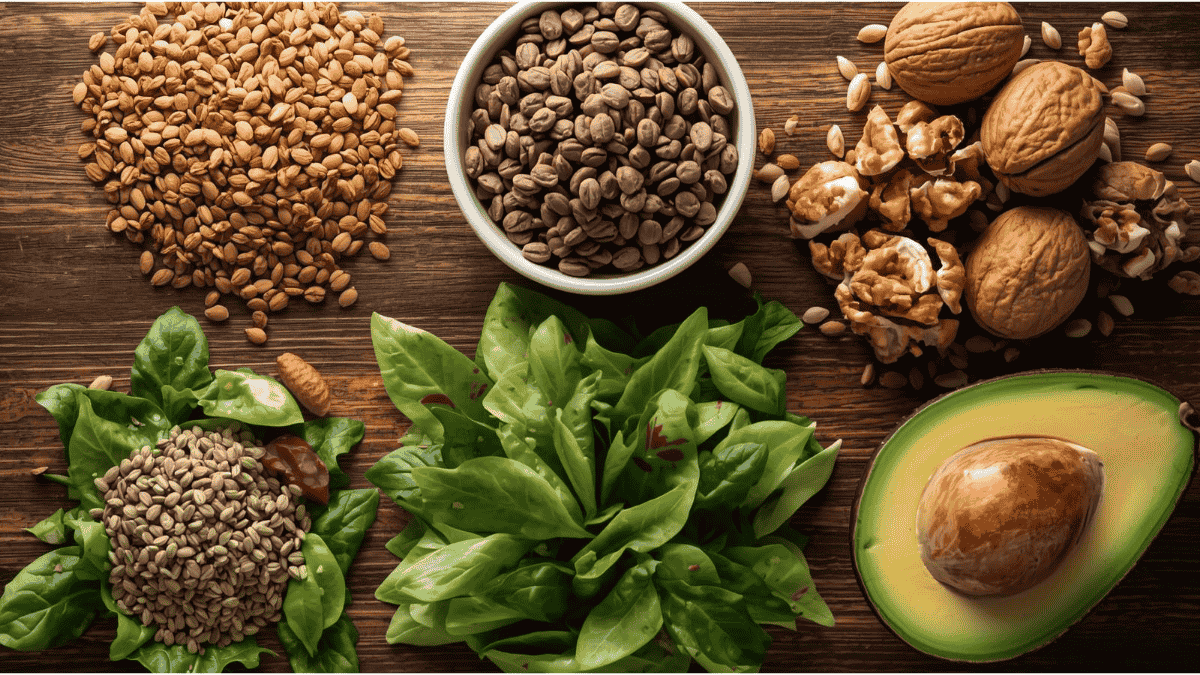
Introduction: Importance of Balanced Diet
In a world where convenience often takes precedence over nutrition, the importance of a balanced diet cannot be overstated. From fast food chains to packaged snacks, unhealthy choices are often more readily available than wholesome meals. Yet, the long-term effects of poor eating habits, such as obesity, diabetes, heart disease, and weakened immunity, remind us why maintaining a balanced diet is essential.
A balanced diet is not about strict restrictions or giving up the foods you love. It is about ensuring your body gets the right mix of macronutrients (carbohydrates, proteins, and fats) and micronutrients (vitamins and minerals) to function properly. This article explores why balance matters, what nutrients your body needs, and how you can achieve it every day.
What Is a Balanced Diet?
A balanced diet provides the body with the fuel it needs to maintain energy, repair tissues, and protect itself from illness. According to nutrition experts, a healthy plate should include:
- Carbohydrates: for energy (preferably whole grains, fruits, and vegetables)
- Proteins: for growth and muscle repair (from lean meat, fish, legumes, or plant-based sources)
- Fats: for brain function and hormone regulation (healthy fats from nuts, seeds, olive oil, avocado)
- Vitamins & Minerals: for immunity and organ function (from colorful vegetables, fruits, and dairy)
- Fiber & Water: for digestion and hydration
The key is variety and proportion. A diet heavy in one nutrient but lacking in others leads to imbalance. For example, high protein with very low carbs may leave you fatigued, while excessive carbs without enough protein can cause weight gain.
Why the Importance of Balanced Diet Matters for Health
- Supports Energy Levels
Carbohydrates provide immediate energy, proteins help sustain it, and fats ensure long-term reserves. Without balance, you may feel tired, sluggish, or experience frequent sugar crashes. - Strengthens Immunity
Micronutrients like vitamin C, vitamin D, zinc, and iron are vital for fighting infections. A poor diet weakens the immune system, making you more prone to seasonal illnesses. - Importance of Balanced Diet Promotes Healthy Growth and Repair
Proteins and minerals such as calcium and phosphorus are essential for strong bones, muscle recovery, and cell repair. Children and young adults especially need this balance for healthy development. - Importance of Balanced Diet Prevents Chronic Diseases
An unbalanced diet high in processed foods is linked to lifestyle diseases such as diabetes, hypertension, and heart disease. Conversely, a diet rich in whole foods lowers these risks. - Importance of Balanced Diet: Maintains Mental Health
Studies suggest that diet plays a significant role in mental well-being. Omega-3 fatty acids, vitamins, and antioxidants support brain function, reduce stress, and improve mood.
In the Importance of Balanced Diet: The Role of Macronutrients
Carbohydrates: Choose complex carbs like oats, brown rice, whole wheat, and sweet potatoes instead of refined sugar and white bread. These release energy slowly and prevent sugar spikes.
Proteins: Lean meats, eggs, fish, legumes, tofu, and lentils are excellent sources. Adults typically need 0.8–1 gram of protein per kilogram of body weight daily.
Fats: Not all fats are harmful. Monounsaturated and polyunsaturated fats (found in olive oil, nuts, seeds, and fish) protect heart health. Limit saturated and trans fats.
The Role of Micronutrients
Vitamins:
- Vitamin A for vision and skin health
- Vitamin C for immunity
- Vitamin D for bone health
- B Vitamins for energy metabolism
Minerals:
- Calcium for strong bones
- Iron for oxygen transport in the blood
- Magnesium for muscle function
- Potassium for blood pressure control
Without adequate vitamins and minerals, the body cannot function optimally, even if calorie intake is sufficient.
Building a Balanced Plate
A simple way to visualize balance is the “Healthy Plate” model:
- Half the plate is filled with vegetables and fruits
- One-quarter with whole grains
- One-quarter with lean proteins
- A serving of healthy fats (like nuts or olive oil)
- A glass of water or low-fat dairy on the side
This approach ensures nutrient diversity while avoiding excess calories.
Common Mistakes People Make
- Skipping Breakfast: Often reduces focus and energy levels.
- Over-relying on Supplements: Pills cannot replace real food.
- Consuming Excess Sugar and Salt: Hidden in packaged foods, these harm heart health.
- Portion Distortion: Eating more than needed, even with healthy foods, leads to weight gain.
Practical Tips for a Balanced Diet
- Plan meals ahead to avoid unhealthy snacking.
- Include seasonal fruits and vegetables for variety.
- Stay hydrated—water is a key part of nutrition.
- Choose home-cooked meals over fast food whenever possible.
- Follow the 80/20 rule: 80% healthy, 20% flexible indulgence.
Looking Ahead: Superfoods for Energy
While balance forms the foundation of good health, some foods offer exceptional nutrient density. These are often called superfoods, items like berries, spinach, quinoa, chia seeds, and nuts that provide vitamins, minerals, and antioxidants in concentrated amounts.
In our next article, we’ll explore Superfoods for Energy, explaining how they can be included in a balanced diet to boost stamina, fight fatigue, and improve overall wellness.
Conclusion
A balanced diet is not about restriction but about making smarter choices every day. By ensuring the right proportions of macronutrients and micronutrients, you give your body the tools it needs to function efficiently. The long-term rewards include more energy, stronger immunity, improved mood, and reduced risk of chronic diseases.
Making small, sustainable changes like adding more vegetables, swapping refined carbs for whole grains, and reducing processed foods can transform your health. Remember, balance is the key, and every meal is an opportunity to nourish your body.