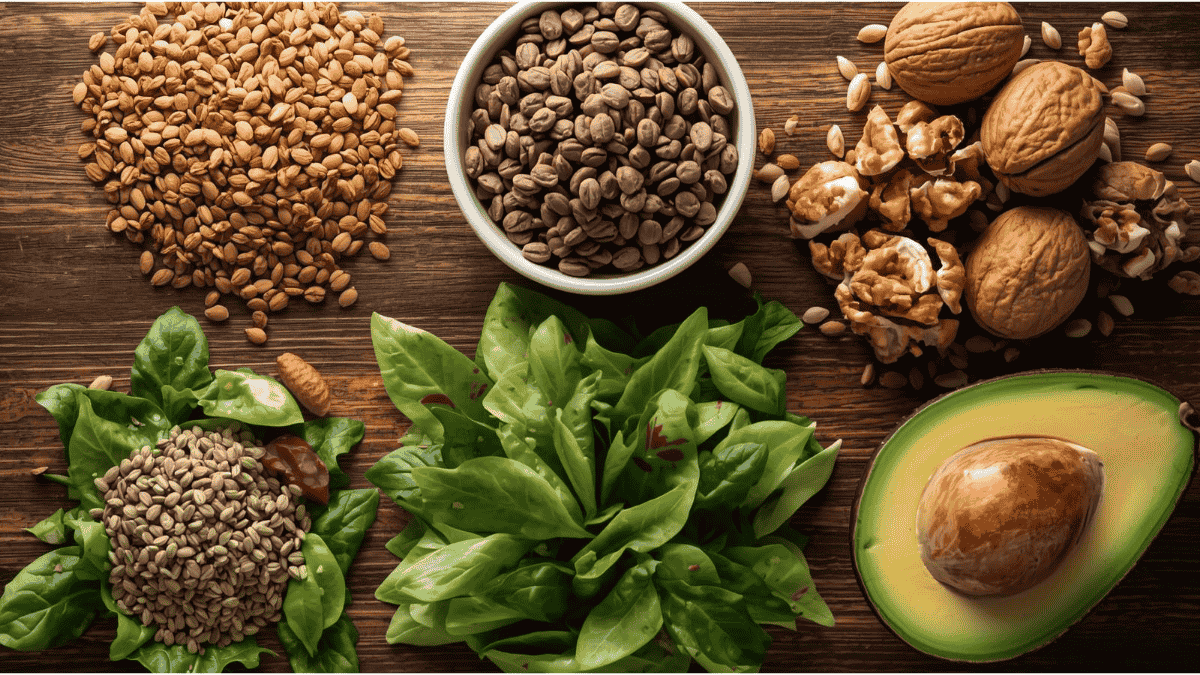
Introduction: The Gluten Free Diet Trend Hype or Health?
Over the past decade, “gluten free” has become a buzzword in nutrition. Supermarkets, restaurants, and even coffee shops proudly advertise gluten-free options. Many people believe avoiding gluten helps with weight loss, energy, or digestion, but is this diet really for everyone?
Gluten-free eating is vital for individuals with specific medical conditions, such as celiac disease, non-celiac gluten sensitivity, or wheat allergy. For others, removing gluten unnecessarily might lead to nutrient deficiencies and digestive imbalance.
In Foods That Can Improve Digestive Health Naturally, we discussed the power of gut-friendly foods. Today, we clarify the truth behind gluten, who actually needs to avoid it, what foods to eat or limit, and how to follow a gluten-free diet safely. In The Role of Micronutrients in Daily Health, we’ll explore how small nutrients make a big difference in overall wellness.
What Is Gluten?
Gluten is a natural protein found in wheat, barley, rye, and triticale (a hybrid of wheat and rye). It gives bread its elasticity and chewy texture.
For most people, gluten is harmless. However, in certain individuals, the body reacts negatively, causing inflammation or immune responses that harm the gut lining.
Common sources of gluten:
- Bread, pasta, and pastries
- Cereals made from wheat or barley
- Soups, sauces, and salad dressings (thickened with flour)
- Beer and malt-based beverages
Who Actually Needs a Gluten Free Diet
1. People with Celiac Disease
Celiac disease is an autoimmune disorder where consuming gluten triggers an immune reaction that damages the small intestine’s lining, leading to nutrient malabsorption.
Symptoms:
- Chronic diarrhea or constipation
- Fatigue
- Weight loss
- Anemia
- Skin rashes
Even trace amounts of gluten can cause harm. The only effective treatment is lifelong adherence to a strict gluten-free diet.
Research Insight:
According to the Celiac Disease Foundation, 1 in 100 people worldwide has celiac disease, yet 80% remain undiagnosed.
2. People with Non-Celiac Gluten Sensitivity (NCGS)
Some individuals experience bloating, fatigue, or headaches after eating gluten but test negative for celiac disease. This condition is called Non-Celiac Gluten Sensitivity (NCGS).
Symptoms improve when gluten is removed from the diet, but return when reintroduced.
Unlike celiac disease, NCGS does not cause intestinal damage, but it can affect quality of life.
3. People with Wheat Allergy
A wheat allergy is different from celiac disease. It’s an immune response to proteins found in wheat (not only gluten). Symptoms may include hives, swelling, or breathing difficulty shortly after eating wheat.
People with this condition must avoid wheat but can usually consume non-wheat gluten sources such as barley or rye.
4. People with IBS (Irritable Bowel Syndrome)
Some IBS patients find relief by reducing gluten-containing foods, especially if they are sensitive to certain carbohydrates known as FODMAPs (fermentable oligo-, di-, mono-saccharides, and polyols).
A low-FODMAP diet may work better than a completely gluten-free one for these individuals.
Who Doesn’t Need a Gluten-Free Diet
Gluten-free is not automatically healthier. For people without intolerance, it may cause more harm than good if followed incorrectly.
Potential downsides:
- Reduced intake of fiber and B vitamins (due to eliminating whole grains)
- Higher calorie intake from processed gluten-free snacks
- Expensive substitutes that offer little nutritional value
Expert Opinion:
Harvard Health notes that “a gluten-free diet is only beneficial for those with medical reasons; otherwise, it offers no proven advantage for general health or weight loss.”
10 Foods You Can Safely Eat on a Gluten-Free Diet
- Rice: A naturally gluten-free staple that provides complex carbs and fiber.
- Quinoa: High in protein, iron, and magnesium.
- Millets: Traditional Indian grains like ragi and bajra are excellent gluten-free options.
- Potatoes and Sweet Potatoes: Nutritious carbohydrate alternatives.
- Fruits and Vegetables: Naturally gluten-free and rich in vitamins.
- Legumes: Beans, lentils, and chickpeas provide protein and fiber.
- Nuts and Seeds: Good sources of healthy fats and minerals.
- Meat, Fish, and Eggs: All naturally gluten-free unless breaded or processed.
- Dairy Products: Safe unless thickened with gluten-based additives.
- Gluten-Free Grains: Corn, buckwheat, and amaranth are excellent choices.
Reading Food Labels The Smart Way
Manufacturers often add gluten as a stabiliser or thickener. Always read ingredient labels carefully.
Look for certifications like:
- “Certified Gluten-Free”
- “Wheat-Free”
- “No Added Gluten”
Hidden gluten sources: Soy sauce, soups, gravies, and spice mixes.
Tip: Gluten-free soy sauce (tamari) is a safe substitute for regular soy sauce.
Nutritional Risks of a Gluten-Free Diet
While avoiding gluten, people sometimes miss out on vital nutrients.
| Nutrient | Commonly Lost In | Replacement Source |
|---|---|---|
| Fiber | Whole wheat, barley | Fruits, veggies, oats (gluten-free certified) |
| B Vitamins | Fortified bread | Leafy greens, legumes, quinoa |
| Iron | Wheat flour | Spinach, lentils, red meat |
| Zinc | Whole grains | Pumpkin seeds, chickpeas |
| Magnesium | Wheat bran | Nuts, seeds, brown rice |
How to Maintain a Balanced Gluten Free Diet
- Choose whole foods over packaged gluten-free snacks.
- Include fiber from fruits, vegetables, and legumes.
- Drink plenty of water to support digestion.
- Eat fortified gluten-free cereals or take a multivitamin if needed.
- Rotate grains to prevent nutritional gaps.
Gluten Free Diet and Gut Health
Removing gluten can improve gut health for sensitive individuals but may reduce beneficial bacteria if the diet lacks fiber.
Probiotic foods like yogurt and kimchi can restore gut balance.
A Mayo Clinic study found that celiac patients following a gluten-free diet showed improved intestinal health after 6–12 months.
Myths vs. Facts About Gluten Free Eating
| Myth | Fact |
|---|---|
| Gluten-free diets help you lose weight | Only if you avoid processed foods and eat balanced meals |
| Gluten-free means healthy | Not necessarily many substitutes are highly processed |
| Gluten causes inflammation in everyone | Only in those with celiac disease or sensitivity |
| Going gluten-free improves energy | True only if you had an intolerance before |
Sample Gluten Free Meal Plan
| Meal | Example | Nutritional Focus |
|---|---|---|
| Breakfast | Quinoa porridge with banana and nuts | Fiber and energy |
| Snack | Yogurt with berries | Probiotics |
| Lunch | Brown rice, dal, and stir-fried vegetables | Protein and fiber |
| Evening Snack | Roasted chickpeas | Protein boost |
| Dinner | Grilled fish with sweet potato and greens | Omega-3 and antioxidants |
| Before Bed | Warm milk with turmeric | Relaxation |
Practical Tips for Living Gluten Free
- Cook more at home to control ingredients.
- Use rice flour or almond flour for baking.
- Always clean cooking surfaces to prevent cross-contamination.
- Eat out wisely, ask for gluten-free preparation.
- Keep a food journal to track symptoms.
Conclusion: Gluten Free A Health Tool, Not a Trend
A gluten-free diet can be life-changing for those who truly need it, such as individuals with celiac disease or gluten sensitivity. However, for others, cutting out gluten without reason can do more harm than good.
Understanding your body, consulting a healthcare professional, and focusing on whole, balanced foods is the key to safe and sustainable eating.
As we continue to The Role of Micronutrients in Daily Health, we’ll explore how essential vitamins and minerals fine-tune every system in your body for better performance and longevity.
Disclaimer
This article is for educational purposes only and does not replace medical advice. If you suspect gluten intolerance, consult a gastroenterologist or registered dietitian for proper diagnosis before changing your diet.
30 FAQs About the Gluten Free Diet
Q1. What is gluten?
It’s a protein found in wheat, barley, and rye.
Q2. Who should avoid gluten?
People with celiac disease, gluten sensitivity, or wheat allergy.
Q3. Is gluten-free healthier for everyone?
No, only those with medical reasons benefit.
Q4. What are gluten-free grains?
Rice, quinoa, corn, millet, and buckwheat.
Q5. Can gluten cause stomach pain?
Yes, in those with sensitivity or intolerance.
Q6. Are oats gluten free?
Yes, but only if labelled “gluten-free” to avoid contamination.
Q7. Can a gluten free diet cause nutrient deficiency?
Yes, if not planned properly.
Q8. What foods should I avoid?
Bread, pasta, beer, and anything made with wheat, rye, or barley.
Q9. Are eggs gluten free?
Yes, naturally.
Q10. Can gluten affect skin?
In celiac patients, it can cause rashes (dermatitis herpetiformis).
Q11. Is coffee gluten-free?
Yes, black coffee is gluten-free.
Q12. Is rice safe for celiac patients?
Yes, it’s naturally gluten-free.
Q13. Can children follow a gluten-free diet?
Yes, if medically required and monitored.
Q14. How do I know if I’m gluten intolerant?
Through blood tests and elimination diets under doctor supervision.
Q15. Can I drink alcohol on a gluten-free diet?
Yes, choose wine or distilled spirits instead of beer.
Q16. Do gluten-free products help with weight loss?
Not necessarily; many are high in sugar or fat.
Q17. Is chocolate gluten-free?
Pure chocolate is gluten-free, but check labels for additives.
Q18. What happens if I accidentally eat gluten?
You may experience bloating, fatigue, or nausea.
Q19. Can I eat pizza on a gluten-free diet?
Yes, with gluten-free crust options.
Q20. Does gluten affect mental health?
In sensitive individuals, it may cause mood swings or fatigue.
Q21. Are soy products gluten-free?
Plain soybeans are, but soy sauce often contains gluten.
Q22. What’s the best substitute for wheat flour?
Rice flour, almond flour, or chickpea flour.
Q23. Can probiotics help with gluten intolerance?
They can support gut healing but don’t replace a gluten-free diet.
Q24. How long to feel better after going gluten-free?
Typically 2–6 weeks, depending on severity.
Q25. Is popcorn gluten-free?
Yes, as long as it’s plain.
Q26. Can stress trigger gluten sensitivity symptoms?
Yes, it can worsen digestive reactions.
Q27. Are gluten-free diets safe long-term?
Yes, with balanced nutrition.
Q28. Can I eat oats daily?
Yes, certified gluten-free oats are safe.
Q29. Should I consult a doctor before going gluten-free?
Yes, to avoid misdiagnosis and nutrient deficiency.
Q30. Is gluten-free food expensive?
Some products are, but natural foods like rice and vegetables are affordable options.