Introduction: Why Healthy Weight Gain Matters
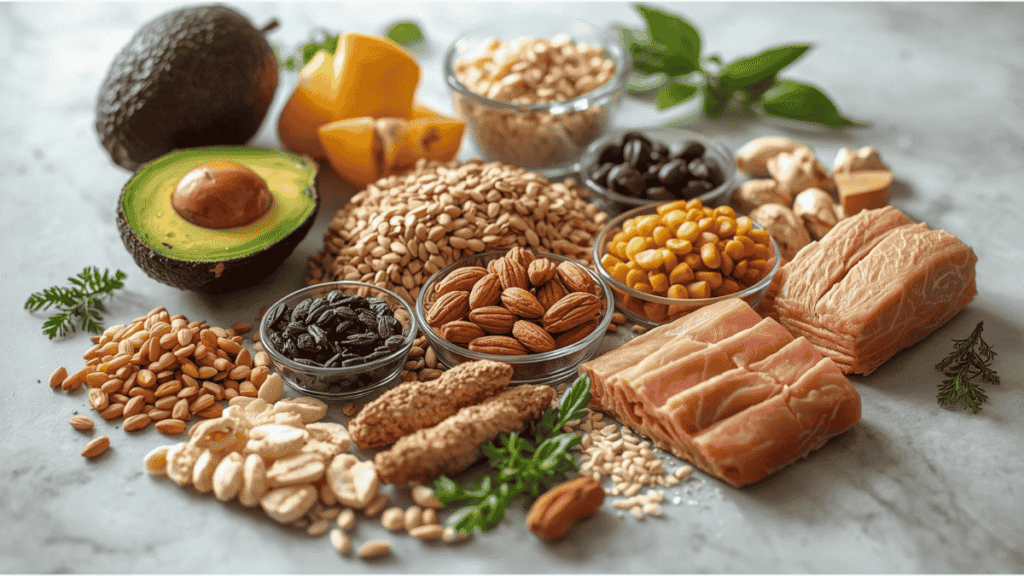
When most nutrition conversations focus on weight loss, people who struggle to gain weight are often overlooked. But being underweight carries its own set of risks: weak immunity, nutrient deficiencies, brittle bones, and reduced energy. The key to healthy weight gain isn’t loading up on fast food or sugary snacks. While they may add calories, they don’t provide the nutrients your body needs to build muscle, strengthen bones, and maintain long-term health. Instead, the goal is to choose nutrient-dense foods that offer both calories and essential vitamins, minerals, and healthy fats.
In yesterday’s post, we covered 15 Nutrition Tips for Weight Loss That Actually Work, focusing on calorie control and balance. Today, we flip the conversation, exploring foods that help you gain weight healthily. Tomorrow, we’ll continue with How to Build Muscle with Proper Nutrition, where weight gain turns into strength.
15 Best Foods for Healthy Weight Gain
1. Nuts and Nut Butters
Calorie-dense, rich in protein and healthy fats, nuts like almonds, cashews, and peanuts are perfect for snacking. Nut butters on toast or fruit add an extra boost.
2. Avocados
High in heart-healthy fats and calories, avocados provide potassium, fiber, and vitamins while adding bulk to meals.
3. Whole Milk and Full-Fat Dairy
Milk, yoghurt, and cheese supply protein, calcium, and calories. Opt for full-fat versions to maximise nutrition.
4. Lean Red Meat
Beef and lamb contain protein, iron, and creatine nutrients essential for muscle gain. Choose lean cuts to balance calories and fat.
5. Fatty Fish (Salmon, Mackerel, Sardines)
Packed with omega-3s and protein, these fish provide both calories and heart health benefits.
6. Whole Grains (Brown Rice, Oats, Quinoa)
Complex carbs add calories while fueling energy and supporting muscle recovery.
7. Eggs
Affordable and versatile, eggs provide protein, healthy fats, and choline for brain health.
8. Potatoes and Starchy Vegetables
White potatoes, sweet potatoes, and corn are calorie-rich and ideal for building glycogen stores.
9. Olive Oil
Adding just a tablespoon of olive oil to salads or meals can boost calorie intake significantly.
10. Protein Smoothies
Homemade shakes with milk, oats, fruits, and nut butter are healthier and more nutrient-dense than store-bought options.
11. Dark Chocolate
Provides antioxidants, magnesium, and calories. Choose varieties with 70% cocoa or higher.
12. Chicken and Turkey
Lean poultry offers protein with fewer saturated fats, supporting healthy weight gain without unnecessary junk.
13. Legumes (Lentils, Beans, Chickpeas)
Rich in protein, fiber, and calories, legumes are perfect for plant-based weight gain.
14. Healthy Snacks (Trail Mix, Granola)
Mixing nuts, dried fruits, and seeds creates a calorie-dense, portable snack.
15. Bananas and Tropical Fruits
Bananas, mangoes, and pineapples are calorie-rich fruits that provide quick energy and essential nutrients.
How to Combine Foods for Healthy Weight Gain
- Pair carbs with protein (e.g., rice and chicken).
- Add healthy fats like avocado or olive oil to meals.
- Use smoothies to increase calorie intake without feeling too full.
- Snack often instead of relying on three large meals.
Research Insights
- The National Institutes of Health (NIH) notes that underweight individuals face higher infection risks and slower recovery.
- Harvard Health recommends nutrient-dense foods like nuts, whole grains, and dairy for gradual weight gain.
- The World Health Organization (WHO) stresses the importance of balancing calorie intake with nutrient quality, not junk food.
Practical Tips for Gaining Weight Safely
- Eat 5–6 smaller meals throughout the day.
- Add calorie-dense toppings like cheese, seeds, or nut butter to meals.
- Use full-fat versions of milk, yoghurt, and cheese.
- Prioritise strength training alongside calorie increase to ensure weight gained is lean muscle, not just fat.
Conclusion: Gaining Weight the Right Way
Healthy weight gain isn’t about eating anything and everything. It’s about making strategic choices that provide both calories and nutrients. From nuts and avocados to lean meats and whole grains, these foods help you build strength, immunity, and long-term health.
As we move forward to How to Build Muscle with Proper Nutrition, we’ll see how weight gain becomes the foundation for building strength and performance.
FAQs on Healthy Weight Gain
Q1. What’s the healthiest way to gain weight?
By eating nutrient-dense, calorie-rich foods combined with exercise.
Q2. Can junk food help with weight gain?
It adds calories but lacks nutrients; focus on whole foods instead.
Q3. How many calories should I eat to gain weight?
Start with 300–500 extra calories daily, adjust as needed.
Q4. What’s the best fruit for weight gain?
Bananas, mangoes, and pineapples are high in calories due to their calorie density.
Q5. Are protein shakes necessary?
Not required, but homemade smoothies can help.
Q6. How often should I eat?
5–6 smaller meals are more effective than three large ones.
Q7. Is milk good for weight gain?
Yes, full-fat milk is calorie- and protein-rich.
Q8. Can vegetarians gain weight healthily?
Yes, using legumes, whole grains, dairy, and nuts.
Q9. How fast should I aim to gain weight?
0.5–1 kg per week is safe and sustainable.
Q10. Are avocados good for gaining weight?
Yes, they’re high in calories and healthy fats.
Q11. Should I avoid cardio while gaining weight?
No, but limit excessive cardio to avoid burning too many calories.
Q12. Do eggs help with weight gain?
Yes, they’re affordable, protein-rich, and versatile.
Q13. Can strength training help with weight gain?
Yes, it ensures the added weight is lean muscle.
Q14. Are nuts effective for gaining weight?
Yes, a handful provides calories, protein, and fats.
Q15. Should I eat at night to gain weight?
A light snack before bed, like yoghurt or nuts, can help.
Q16. Are starchy vegetables good for weight gain?
Yes, potatoes and corn are calorie-rich and filling.
Q17. Can I gain weight with smoothies?
Yes, they’re an easy way to add calories without overeating.
Q18. Is cheese good for weight gain?
Yes, it’s calorie-dense and provides protein and calcium.
Q19. Can underweight people be unhealthy?
Yes, being underweight increases health risks.
Q20. Is red meat safe for weight gain?
Yes, in moderation. Choose lean cuts to balance fat intake.
Q21. How do I avoid belly fat while gaining weight?
Pair higher calories with strength training for lean muscle gain.
Q22. Can healthy fats cause weight gain?
Yes, fats are calorie-dense, but they also support heart health.
Q23. Are granola bars good for gaining weight?
Yes, if they’re whole-grain and low in added sugars.
Q24. How long does it take to see results?
2–4 weeks of consistent eating and exercise show progress.
Q25. Is peanut butter effective for weight gain?
Yes, two tablespoons add ~200 calories.
Q26. Should I avoid vegetables when gaining weight?
No, balance is important; pair veggies with calorie-rich foods.
Q27. Are dried fruits good for weight gain?
Yes, they’re calorie-rich and nutrient-dense.
Q28. Can I gain weight with only diet, no exercise?
Yes, but exercise ensures that weight is healthier muscle, not just fat.
Q29. What role does protein play in weight gain?
It helps build lean muscle while adding calories.
Q30. Is healthy weight gain slower than junk-food weight gain?
Yes, but it’s sustainable and better for long-term health.