Carbohydrates, often simply called carbs, are one of the most debated nutrients in the health and fitness world. From being labelled as the “enemy of weight loss” to being praised as the body’s primary energy source, carbs have always been at the center of nutrition discussions. But the big question remains: Are carbs really bad?
In this article, we’ll break down the truth about carbs, separate myths from science, and explore how to include the right types of carbohydrates in a balanced diet.
In our last article, we focused on Managing Diabetes Naturally, where carbohydrate management played a big role. Today, we go deeper to uncover the truth about carbs. In the upcoming article, we’ll shift to the positive side of nutrition with Foods That Improve Brain Function and Memory Naturally.
What Are Carbohydrates?
Carbohydrates are one of the three main macronutrients, along with proteins and fats. They are the body’s primary source of energy. When eaten, carbs break down into glucose (sugar), which fuels the brain, muscles, and other organs.
Carbs can be classified into three main types:
- Simple Carbohydrates – Found in fruits, milk, and processed sugars. They are quickly digested and cause rapid spikes in blood sugar.
- Complex Carbohydrates – Found in whole grains, vegetables, and legumes. They are digested slowly, leading to stable blood sugar and sustained energy.
- Fiber – A type of carbohydrate that isn’t fully digested but is vital for gut health, satiety, and blood sugar control.
Why Do Carbs Get a Bad Reputation?
Carbs are often blamed for weight gain, diabetes, and poor health. Diets like keto and Atkins promote very low-carb eating, which makes many people assume all carbs are harmful. The truth is, not all carbs are created equal. Refined and processed carbs can harm your health, but whole, nutrient-dense carbs are essential for energy and long-term wellness.
15 Facts That Reveal the Truth About Are Carbs Really Bad?
1. Carbs Are the Body’s Primary Energy Source
Your brain alone consumes about 120 grams of glucose daily. Without carbs, the body turns to fat and protein for energy, which may not be sustainable long-term.
2. Not All Carbs Are Equal
Whole carbs (like oats, brown rice, quinoa) are healthy, while refined carbs (like white bread, pastries, soda) can increase disease risk.
3. Low-Carb Diets Are Not Always Healthier
While low-carb diets may help with short-term weight loss, they can cause nutrient deficiencies if not planned properly.
4. Fiber is a Carb You Need More Of
Fiber aids digestion, supports heart health, and keeps blood sugar stable. Whole fruits, vegetables, beans, and grains are the best sources.
5. Carbs and Weight Gain Link Is Misleading
Weight gain comes from excess calories overall, not just carbs. When eaten in moderation, healthy carbs don’t automatically make you gain weight.
6. Carbs Affect Blood Sugar Differently
Foods with a high glycemic index (white bread, sugar) raise blood sugar quickly, while low-GI foods (beans, lentils, vegetables) help stabilize it.
7. Whole Grains Reduce Risk of Chronic Diseases
Research shows that whole grains lower the risk of heart disease, diabetes, and obesity.
8. Fruits Are Healthy Carbs, Not Enemies
Fruits contain natural sugar, but also fiber, vitamins, and antioxidants. Unlike candy or soda, they support good health.
9. Carbs and Exercise Performance Are Connected
Athletes rely on carbs for energy during workouts. Low-carb diets can hurt endurance and strength.
10. Cutting Carbs Too Much Can Harm Metabolism
Extreme low-carb diets may cause fatigue, nutrient deficiency, and hormonal imbalances.
11. Carbs Boost Mood and Brain Function
Carbs increase serotonin levels, the “feel-good hormone,” helping improve mood and mental focus.
12. Balanced Carb Intake Supports Weight Loss
Pairing carbs with protein and healthy fats slows digestion, improves satiety, and aids weight management.
13. Traditional Diets Show Carbs Can Be Healthy
Cultures that eat high-carb diets, like in Japan and Mediterranean regions, have lower rates of chronic disease.
14. Carbs Are Not Essential, But They Are Beneficial
Technically, the body can survive without carbs by using fat and protein, but optimal health and performance require carbs.
15. Moderation Is the Key
The truth about carbs is not about cutting them out but about choosing the right type and quantity for your body.
Best Sources of Healthy Carbs
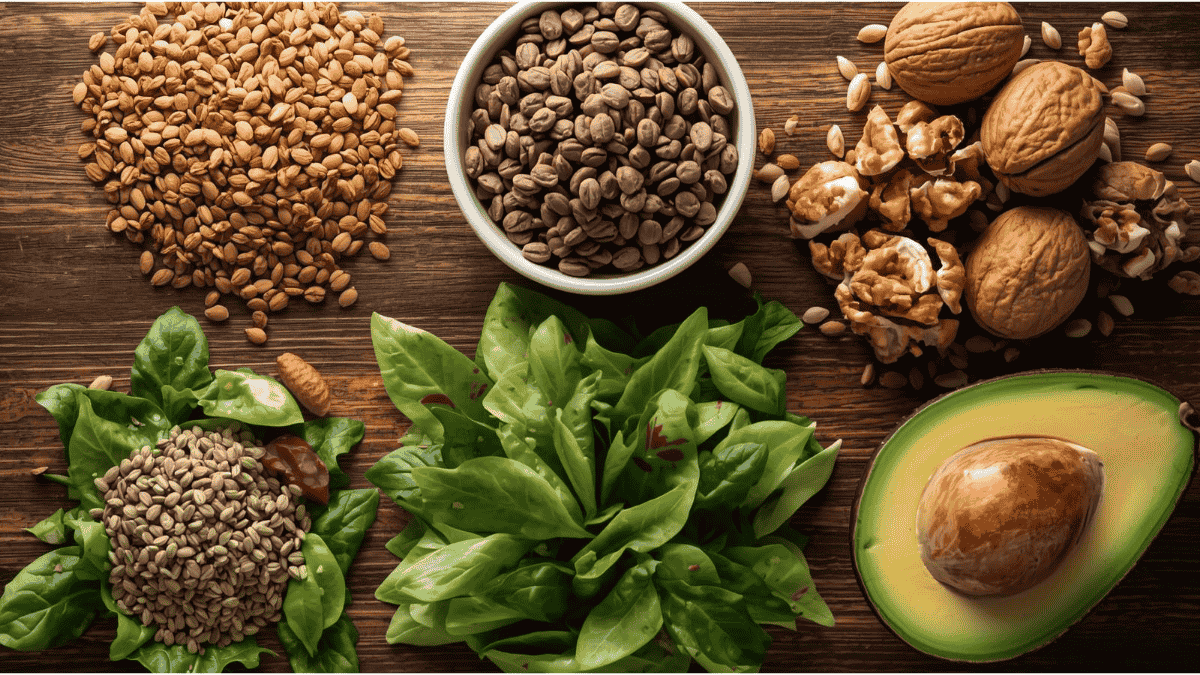
- Whole grains: oats, quinoa, barley, brown rice
- Vegetables: spinach, broccoli, carrots, sweet potatoes
- Fruits: berries, apples, bananas, oranges
- Legumes: beans, chickpeas, lentils
- Nuts and seeds: chia seeds, flaxseeds, almonds
Carbs to Limit or Avoid
- Sugary sodas and energy drinks
- Pastries, cakes, and candy
- White bread and white rice
- Packaged processed snacks
- Refined cereals
Practical Tips for Eating Carbs the Right Way
- Use the plate method: ½ veggies, ¼ protein, ¼ carbs.
- Prefer whole fruits over juices.
- Eat carbs earlier in the day when you’re more active.
- Avoid eating refined carbs on an empty stomach.
- Combine carbs with protein or healthy fats.
Conclusion
So, are carbs really bad? The answer is no. Carbohydrates are not the villains they are often made out to be. The real issue lies in the quality and quantity of carbs consumed. Whole, fiber-rich carbs are essential for energy, brain health, and overall well-being, while refined carbs should be limited.
Just as we saw in the previous article on Managing Diabetes Naturally, choosing the right carbs can make a big difference in health outcomes. In the next article, we’ll explore Foods That Improve Brain Function and Memory Naturally, which will further highlight how nutrition directly impacts our mental performance.
FAQs on Carbs and Health
1. Are carbs really bad for weight loss?
Not all carbs. Whole carbs in moderation can actually support weight loss.
2. How many carbs should I eat per day?
It depends on age, activity level, and health goals, but typically 45–65% of daily calories.
3. Can you survive without carbs?
Yes, but it’s not ideal. The body can switch to fat for energy, but carbs are more efficient.
4. What are simple vs. complex carbs?
Simple carbs digest quickly (sugar, candy), while complex carbs digest slowly (grains, vegetables).
5. Do carbs cause belly fat?
Excess calories, not carbs alone, cause fat gain. Refined carbs are more likely to contribute.
6. Are sweet potatoes better than white potatoes?
Yes, they have more fiber and nutrients with a lower glycemic index.
7. Can diabetics eat carbs?
Yes, but they should focus on low-GI carbs and control portions.
8. Are fruits too high in sugar?
No, whole fruits are healthy and provide fiber and vitamins.
9. What bread is best for health?
Whole-grain or sprouted bread is best.
10. Do carbs make you tired?
Refined carbs may cause crashes, but whole carbs provide steady energy.
11. Should I eat carbs before or after exercise?
Carbs before exercise fuel performance, and after exercise, they help recovery.
12. Is rice healthy?
Brown rice and wild rice are healthier options than white rice.
13. Can a keto diet be harmful?
Yes, if followed long-term without proper balance, it may cause deficiencies.
14. Do carbs raise cholesterol?
Refined carbs can, but whole carbs like oats help lower cholesterol.
15. Is pasta okay to eat?
Whole wheat pasta in moderation is a healthy choice.
16. Can children eat carbs freely?
Children need carbs for growth, but should avoid processed ones.
17. Do carbs cause diabetes?
Not directly, but excess refined carbs increase the risk.
18. Are legumes good carbs?
Yes, beans and lentils are fiber-rich and excellent for blood sugar control.
19. Can carbs improve mood?
Yes, they help increase serotonin, which supports mental health.
20. What snacks are healthy carbs?
Air-popped popcorn, fruit with nut butter, or whole-grain crackers.
21. Do low-carb diets reduce lifespan?
Studies show very low-carb diets may shorten lifespan if not balanced.
22. Is quinoa a carb?
Yes, but it’s also a protein-rich whole grain.
23. Are carbs addictive?
Sugar can be addictive, but complex carbs are not.
24. Can carbs cause bloating?
Some carbs, like beans, may cause gas, but they are still healthy.
25. Should I avoid carbs at night?
Not always. Small portions of whole carbs at dinner are fine.
26. Are smoothies healthy carbs?
Yes, if made with whole fruits and no added sugar.
27. Do carbs spike insulin?
Refined carbs do, while whole carbs cause gradual rises.
28. Are oats good for health?
Yes, oats are rich in fiber and support heart health.
29. Can eating carbs help with sleep?
Yes, carbs may help the body release serotonin and melatonin for better sleep.
30. What’s the healthiest carb to eat daily?
Vegetables, fruits, whole grains, and legumes should be daily staples.