Introduction
Every day, our bodies face invisible threats in the form of free radicals, unstable molecules that damage cells and accelerate ageing. Fortunately, nature has provided us with a defence system: antioxidants. These compounds neutralise free radicals, reducing the risk of chronic diseases and supporting long-term wellness.
Antioxidants and their role in disease prevention have become a central topic in nutrition science. From heart health to brain function, antioxidants show remarkable protective effects. In our last article, we explored the plant-based diet benefits and how plant foods deliver vitamins, minerals, and fiber that strengthen health. Many of those same plant foods are also rich in antioxidants, which explains why diets rich in plants are strongly linked to lower disease risks.
In this article, we’ll examine what antioxidants are, how they work, their proven health benefits, and how to include them in your daily diet.
What Are Antioxidants?
Antioxidants are molecules that combat oxidative stress by stabilising free radicals. Free radicals are unstable oxygen-containing molecules that form naturally during metabolism or from external sources such as pollution, smoking, and processed foods. Left unchecked, free radicals can damage DNA, proteins, and cell membranes, a process known as oxidative stress.
Antioxidants act as shields, preventing this cellular damage and protecting the body from premature ageing and disease.
Types of Antioxidants
Antioxidants come in many forms, and each plays a specific role:
- Vitamins
- Vitamin C (found in citrus, peppers, berries) boosts immunity and collagen production.
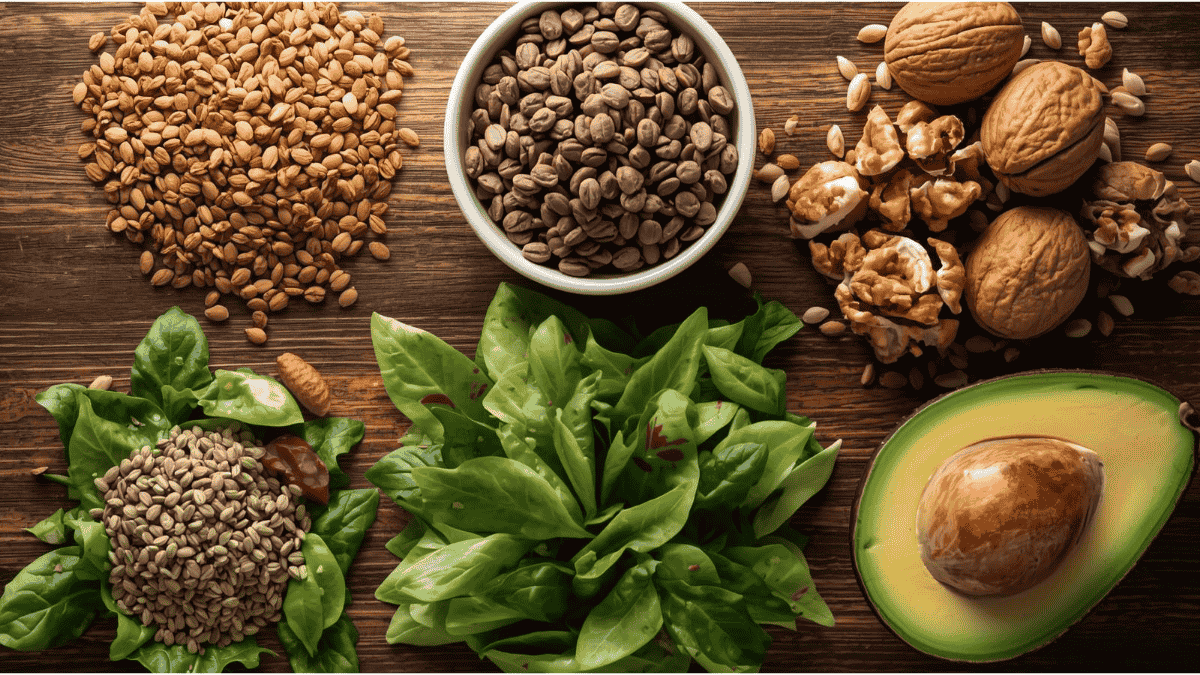
- Vitamin E (nuts, seeds, vegetable oils) protects cell membranes.
- Vitamin A and beta-carotene (carrots, sweet potatoes) support vision and skin health.
- Minerals
- Selenium (Brazil nuts, fish) regulates thyroid function and defends against oxidative stress.
- Zinc (pumpkin seeds, legumes) supports immunity and wound healing.
- Plant Compounds
- Flavonoids in tea, apples, and onions reduce inflammation.
- Polyphenols in berries, grapes, and dark chocolate protect heart health.
- Lycopene in tomatoes is linked to lower cancer risk.
Antioxidants and Their Role in Disease Prevention
1. Heart Disease
Oxidative stress plays a major role in heart disease, contributing to artery damage and plaque buildup. Antioxidants improve cardiovascular health by:
- Reducing LDL cholesterol oxidation
- Supporting blood vessel function
- Lowering inflammation
For example, polyphenols in green tea and red grapes are strongly associated with reduced cardiovascular risks.
2. Cancer
DNA damage caused by free radicals increases the risk of mutations that lead to cancer. Antioxidants, especially those from colourful vegetables and fruits, help reduce this risk. Cruciferous vegetables like broccoli contain sulforaphane, which has been studied for its cancer-preventive properties.
3. Brain Health
Oxidative stress is linked to cognitive decline and Alzheimer’s disease. Antioxidants such as flavonoids and vitamin E protect brain cells, improve memory, and enhance learning ability. Diets high in berries and leafy greens are consistently linked with sharper cognitive function.
4. Eye Health
Lutein and zeaxanthin, antioxidants found in leafy greens and corn, help protect against age-related macular degeneration and cataracts.
5. Immune Support
Vitamin C and zinc, two powerful antioxidants, are essential for a strong immune system. They help reduce the severity and duration of infections, making the body more resilient to illness.
Antioxidants in Everyday Foods
To understand antioxidants and their role in disease prevention, it helps to look at everyday foods that are naturally rich in these compounds:
- Blueberries and strawberries: High in polyphenols that protect the heart.
- Dark chocolate: Contains flavonoids that improve circulation.
- Green tea: Rich in catechins, known for its anti-cancer and heart benefits.
- Turmeric: Contains curcumin, a powerful anti-inflammatory compound.
- Tomatoes: Lycopene protects against prostate cancer.
- Spinach and kale: Packed with lutein and vitamin C.
Incorporating a variety of these foods daily ensures a broad spectrum of antioxidants.
The Science Behind Antioxidants and Longevity
Studies of populations that live the longest consistently highlight diets high in plant foods. For instance, people in the Mediterranean region consume olive oil, nuts, and vegetables, all rich in antioxidants. This pattern is strongly linked to reduced chronic disease and improved quality of life.
Supplements vs. Food Sources
While supplements can help in certain cases, research shows that whole foods provide a more effective and balanced supply of antioxidants. Over-supplementation may even be harmful. For example, excessive vitamin E supplementation has been linked to increased risks in some groups.
The best way to reap antioxidants and their role in disease prevention is through a balanced, varied diet rather than relying solely on pills.
Lifestyle Factors That Affect Antioxidant Needs
Oxidative stress increases with certain habits and environments:
- Smoking and alcohol consumption
- High-stress lifestyles
- Pollution and UV radiation
- Diets high in processed foods
People exposed to these factors may require more antioxidant-rich foods to maintain health.
Antioxidants and Exercise
Interestingly, exercise increases free radical production temporarily, but the body adapts by strengthening its antioxidant defences. Including antioxidant-rich foods in an active lifestyle helps balance this process, promoting muscle recovery and reducing inflammation.
This connects naturally with our next topic on protein and muscle building, since both antioxidants and protein play a role in post-exercise repair and strength development.
Practical Tips to Boost Antioxidant Intake
- Eat a rainbow: The more colours on your plate, the more diverse the antioxidants.
- Replace processed snacks with nuts, fruits, or dark chocolate.
- Drink green tea instead of sugary beverages.
- Use herbs and spices like turmeric, cinnamon, and oregano in cooking.
- Aim for at least 5 servings of fruits and vegetables daily.
Looking Ahead: Protein and Muscle Building
While antioxidants protect cells and reduce disease risk, protein is the nutrient responsible for building and repairing those cells. In our next article, we will dive into protein and muscle building, exploring how the two complement each other in supporting strength and overall wellness.
Conclusion
The science is clear: antioxidants and their role in disease prevention are critical for long-term health. These compounds protect against cell damage, reduce the risk of chronic diseases such as heart disease and cancer, preserve vision, boost immunity, and keep the brain sharp.
Instead of relying on supplements, focusing on antioxidant-rich foods like berries, leafy greens, nuts, and spices ensures the body gets a balanced mix. Combined with healthy lifestyle habits, antioxidants are a natural defence system against the challenges of modern living.
When paired with plant-based eating, proper hydration, and attention to micronutrients, antioxidants create a foundation for lasting wellness. By making them a regular part of your diet, you’re not just preventing disease, you’re investing in energy, vitality, and longevity.