Hormonal Balance Introduction: Food Is the Language of Your Hormones
Every mood swing, energy dip, or sleep problem you experience may not just be “in your head”; it could be in your plate. Hormones are the body’s messengers, coordinating metabolism, stress response, sleep cycles, and even reproduction. What you eat directly influences how these chemical messengers behave.
An unbalanced diet, filled with refined sugar, processed foods, and trans fats, can disrupt hormones like insulin, cortisol, estrogen, and thyroid hormones. On the other hand, a nutrient-rich, whole-food diet helps restore balance naturally.
In Nutrition Tips for Seniors to Stay Active, we discussed how food supports longevity and strength. Today, we explore how smart nutrition can help calm your hormones, regulate your metabolism, and restore balance, the foundation for lasting health. In Foods That Can Improve Digestive Health Naturally, we’ll see how gut health and hormone balance work hand in hand.
Understanding the Hormone-Nutrition Connection
Hormones are produced by the endocrine glands, including the thyroid, pancreas, adrenal glands, and reproductive organs. Each gland relies on nutrients to create, regulate, and deliver hormones effectively.
When your diet lacks essential nutrients, your body struggles to make hormones in the right amounts, leading to symptoms such as fatigue, weight gain, stress, acne, mood swings, or sleep disruption.
Key hormones influenced by nutrition include:
- Insulin: Controls blood sugar levels.
- Cortisol: Manages stress and metabolism.
- Thyroid Hormones: Regulate energy and metabolism.
- Estrogen and Testosterone: Influence reproductive and emotional health.
- Melatonin: Controls sleep-wake cycles.
- Leptin and Ghrelin: Regulate hunger and fullness.
10 Nutrition Tips to Restore Hormonal Balance
1. Eat Protein at Every Meal
Protein provides amino acids that serve as building blocks for hormone synthesis. It also balances appetite hormones ghrelin (hunger) and leptin (satiety).
Sources: Eggs, fish, legumes, tofu, and Greek yogurt.
Expert Tip: Include 20–30 grams of protein per meal to maintain stable hormone levels throughout the day.
2. Focus on Healthy Fats Your Hormones Love Them
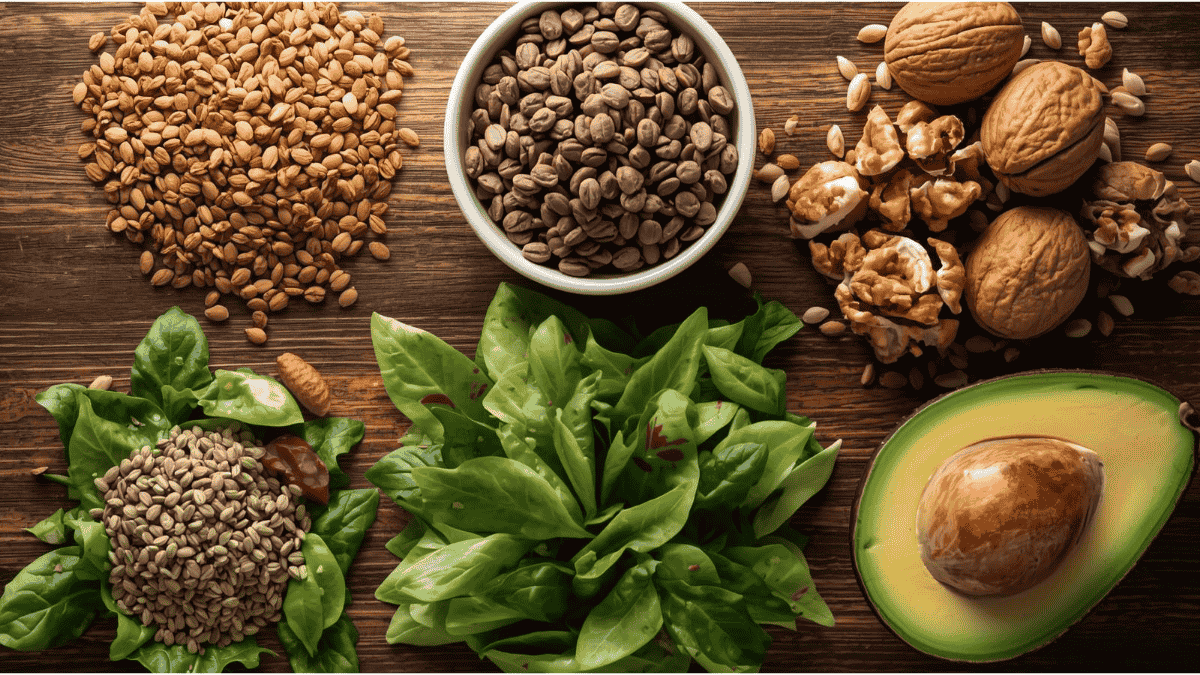
Hormones like estrogen, progesterone, and testosterone are made from cholesterol. Healthy fats provide the foundation for hormone production and balance.
Sources: Avocados, olive oil, nuts, seeds, and salmon.
Avoid: Processed oils and trans fats, which increase inflammation and disrupt hormonal signals.
Research: The Harvard School of Public Health confirms that omega-3 fats support better insulin sensitivity and lower cortisol levels.
3. Limit Sugar and Refined Carbs
Excess sugar spikes insulin, leading to insulin resistance, one of the most common causes of hormonal imbalance. Over time, it affects estrogen, testosterone, and thyroid functions.
Smart swaps: Replace sugary snacks with fruits, oats, and dark chocolate (70% cocoa or more).
4. Support Your Gut Health
Your gut microbiome plays a crucial role in hormone detoxification and metabolism. A healthy gut ensures proper estrogen balance and better stress response.
Sources: Yogurt, kefir, kimchi, sauerkraut, and high-fiber foods.
Tip: Include prebiotics like garlic and onions to feed good bacteria.
5. Manage Stress with Nutrient-Rich Foods
Chronic stress elevates cortisol, which disrupts other hormones such as thyroid and insulin. Anti-inflammatory foods help keep cortisol levels in check.
Eat more of: Berries, green tea, turmeric, and leafy greens.
Avoid: Caffeine overload and processed junk foods.
Study: A Mayo Clinic study found that omega-3 fatty acids and magnesium reduce stress and stabilise cortisol levels naturally.
6. Prioritise Magnesium and Zinc
These two minerals are vital for hormone regulation and reproductive health. Magnesium relaxes the nervous system, while zinc supports testosterone and fertility.
Sources of Magnesium: Spinach, almonds, dark chocolate, and oats.
Sources of Zinc: Pumpkin seeds, lentils, and seafood.
7. Stay Hydrated
Dehydration can affect metabolism and hormone transportation throughout the body. Water helps carry hormones to target cells and supports detoxification through the liver and kidneys.
Goal: 2.5–3 liters daily for adults, depending on activity level.
8. Don’t Skip Fiber. It Helps Detox Hormones
Fiber removes excess estrogen and other hormone by-products from the body. Without enough fiber, these hormones can recirculate and cause an imbalance.
Sources: Fruits, vegetables, oats, flaxseeds, and legumes.
Bonus Tip: Flaxseeds contain lignans that naturally balance estrogen levels in both men and women.
9. Sleep Well The Forgotten Hormone Regulator
Sleep affects almost every hormone in the body, including melatonin, cortisol, and insulin. Lack of rest can lead to stress, weight gain, and low energy.
Solution: Follow a regular sleep schedule and eat magnesium-rich foods in the evening for relaxation.
10. Eat Mindfully and Regularly
Skipping meals can cause cortisol spikes and blood sugar crashes, throwing your hormones off balance. Eat balanced meals every 3–4 hours with protein, fiber, and healthy fats.
Example Meal: Brown rice, lentils, spinach, and avocado, a hormone-friendly combo.
Foods That Help Balance Specific Hormones
| Hormone | Helps With | Key Nutrients | Best Foods |
|---|---|---|---|
| Insulin | Blood Sugar | Fiber, Chromium | Oats, apples, broccoli |
| Cortisol | Stress | Magnesium, Omega-3 | Salmon, spinach, nuts |
| Thyroid | Metabolism | Iodine, Selenium | Seafood, eggs, sunflower seeds |
| Estrogen | Reproductive Health | Phytoestrogens | Soy, flaxseeds, chickpeas |
| Testosterone | Strength, Libido | Zinc, Vitamin D | Eggs, lean meat, pumpkin seeds |
| Melatonin | Sleep | Magnesium, B6 | Bananas, oats, walnuts |
The Gut-Hormone Connection
The gut microbiome acts as an endocrine organ. It helps metabolise estrogen, detoxify the liver, and influence mood hormones like serotonin.
A balanced gut supports better hormonal stability. Incorporate probiotics (yogurt, kefir) and prebiotics (onions, garlic) daily.
Research Insight: The National Institutes of Health (NIH) notes that 70% of serotonin, the “happiness hormone” is produced in the gut.
Hormonal Imbalance Warning Signs
- Unexplained weight changes
- Mood swings or anxiety
- Low libido
- Chronic fatigue
- Irregular periods (in women)
- Hair loss or acne
- Difficulty sleeping
If these persist, consult a doctor or endocrinologist for personalised testing and advice.
Sample Hormone-Balancing Meal Plan
| Meal | Example | Focus |
|---|---|---|
| Breakfast | Scrambled eggs with spinach and avocado | Healthy fats, protein |
| Snack | Greek yogurt with flaxseeds | Gut health |
| Lunch | Brown rice, lentils, steamed veggies | Fiber, iron |
| Evening Snack | Nuts and green tea | Antioxidants |
| Dinner | Grilled fish, quinoa, sautéed greens | Omega-3s, magnesium |
| Before Bed | Warm milk with turmeric | Relaxation, melatonin |
Lifestyle Habits That Support Hormone Health
- Exercise regularly but avoid overtraining.
- Reduce caffeine and alcohol.
- Sleep 7–8 hours daily.
- Manage stress through yoga or meditation.
- Avoid plastics and processed foods high in endocrine disruptors.
Conclusion: Balance Your Hormones, Balance Your Life
Hormones are the body’s control system, and food is their fuel. A balanced, nutrient-dense diet can help regulate mood, energy, metabolism, and fertility naturally.
Whether it’s a magnesium-rich spinach smoothie or a salmon dinner, every food choice influences your hormonal harmony. By focusing on real, whole foods and mindful living, you can regain balance one meal at a time.
In Foods That Can Improve Digestive Health Naturally, we’ll explore how your gut works as your “second brain,” shaping both your hormones and mental health.
Disclaimer
This article is intended for educational purposes only and does not replace medical advice. If you experience persistent hormonal symptoms, consult a qualified healthcare professional or registered dietitian for proper diagnosis and treatment.
30 FAQs About Nutrition and Hormonal Balance
Q1. Can food really balance hormones naturally?
Yes, certain foods like flaxseeds, avocado, and salmon can support hormone regulation.
Q2. Which nutrient is best for hormonal health?
Magnesium and omega-3 fatty acids are essential for hormone stability.
Q3. Can sugar affect hormones?
Yes, excess sugar disrupts insulin and cortisol balance.
Q4. What foods increase estrogen naturally?
Soy, chickpeas, and flaxseeds contain phytoestrogens.
Q5. Can skipping meals affect hormones?
Yes, it increases cortisol and leads to stress-related imbalances.
Q6. How does stress impact hormones?
It raises cortisol, which affects sleep, weight, and immunity.
Q7. What’s the best diet for hormonal balance?
A whole-food diet rich in fiber, protein, and healthy fats.
Q8. Can coffee cause a hormone imbalance?
Excess caffeine raises cortisol; limit to one or two cups daily.
Q9. Do men and women need different hormone diets?
Yes, though both benefit from balanced fats, proteins, and micronutrients.
Q10. What foods balance thyroid hormones?
Iodine-rich foods like fish, eggs, and seaweed.
Q11. Can intermittent fasting help balance hormones?
In moderation, yes but avoid extreme fasting.
Q12. What are signs of hormonal imbalance?
Fatigue, mood swings, weight changes, and low libido.
Q13. Can diet affect fertility?
Yes, nutrients like zinc, folate, and omega-3s improve fertility.
Q14. Does sleep affect hormone health?
Absolutely poor sleep disrupts melatonin and cortisol.
Q15. How does fiber help hormones?
It eliminates excess estrogen from the body.
Q16. Are probiotics good for hormone balance?
Yes, they support gut bacteria involved in estrogen metabolism.
Q17. What foods worsen hormonal imbalance?
Refined sugar, fried foods, and artificial sweeteners.
Q18. Can alcohol affect hormones?
Yes, it increases estrogen and lowers testosterone.
Q19. How much protein should I eat daily?
About 20–30 grams per meal for hormonal balance.
Q20. Can magnesium reduce PMS symptoms?
Yes, it helps with cramps and mood stabilisation.
Q21. Do healthy fats help with PCOS?
Yes, omega-3s regulate insulin and reduce inflammation.
Q22. What foods help reduce stress hormones?
Leafy greens, dark chocolate, and green tea.
Q23. Is dairy good for hormone health?
Choose organic or low-fat dairy to reduce hormone residues.
Q24. Can men experience a hormonal imbalance, too?
Yes, low testosterone and high cortisol are common in men.
Q25. Does exercise help balance hormones?
Yes, regular movement supports insulin and stress hormones.
Q26. What foods improve sleep hormones?
Bananas, oats, and nuts enhance melatonin production.
Q27. How does gut health affect hormones?
A healthy gut aids estrogen detoxification and mood stability.
Q28. Can herbal teas balance hormones?
Chamomile and spearmint teas support hormone regulation.
Q29. Should I avoid plastic bottles?
Yes, they contain endocrine-disrupting chemicals (BPA).
Q30. How long does it take to balance hormones naturally?
4–8 weeks of consistent healthy eating can show results.