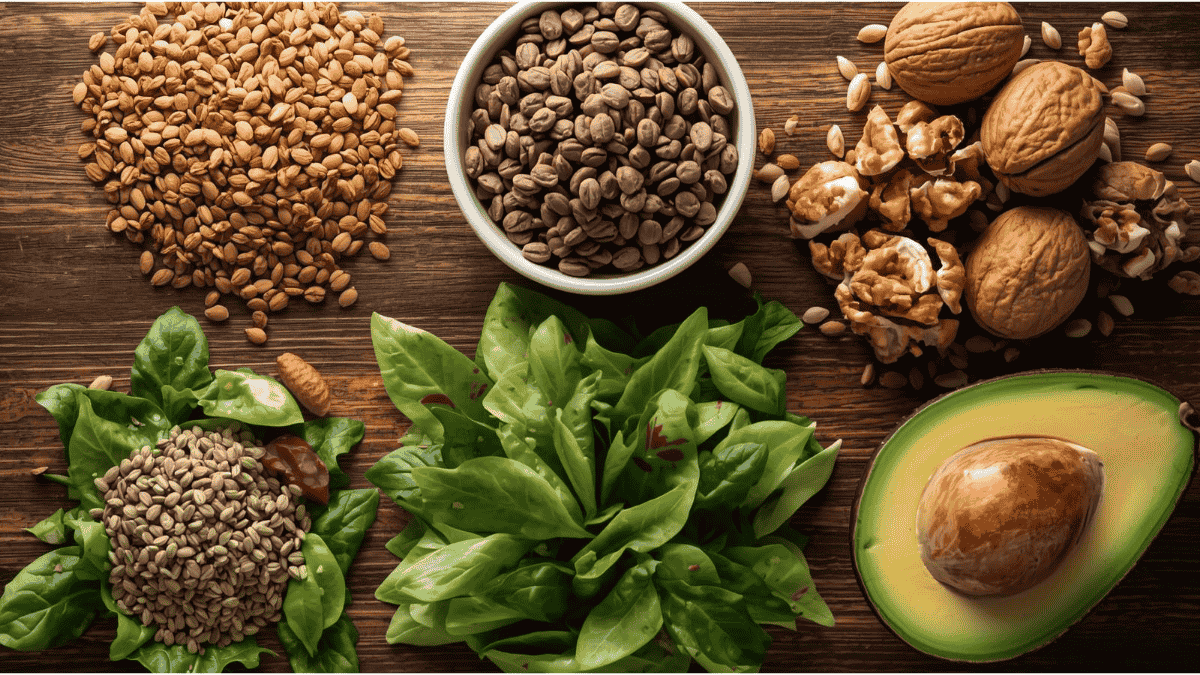
Senior Nutrition Introduction: Eating Well to Age Well
Staying active and healthy after 60 isn’t just about movement it’s about mindful eating. As we age, our metabolism slows, our appetite changes, and the body’s ability to absorb certain nutrients declines. But with the right diet, seniors can maintain strength, boost immunity, and preserve independence well into their later years.
Nutrition plays a crucial role in preventing chronic diseases like diabetes, heart issues, arthritis, and cognitive decline. A well-balanced meal plan rich in protein, fiber, vitamins, and hydration helps older adults stay energetic and mentally sharp.
In Diet for Healthy Pregnancy and Baby Development, we discussed nutrition that nurtures new life. Today, we focus on the later stage of life, understanding how smart dietary choices help seniors thrive. Next, in How Nutrition Affects Hormonal Balance, we’ll explore how the right nutrients can regulate mood and body functions across all ages.
Why Senior Nutrition Deserves Special Focus
Ageing brings natural physiological changes. Metabolism slows down, muscle mass declines, and nutrient absorption weakens. Seniors often experience decreased appetite or dental issues that affect food intake.
Proper nutrition ensures:
- Maintenance of muscle strength and bone density
- Stable energy levels throughout the day
- Improved digestion and metabolism
- Reduced risk of heart disease, diabetes, and osteoporosis
- Stronger immunity and faster recovery from illness
A study by the World Health Organization (WHO) found that nearly 40% of seniors globally are at risk of malnutrition, not due to lack of food but due to poor dietary balance.
Senior Nutrition: 10 Expert-Backed Nutrition Tips for Seniors to Stay Active
1. Senior Nutrition: Prioritise Protein for Strength and Muscle Health
As we age, muscle loss (sarcopenia) becomes common. Protein helps preserve lean muscle mass and supports daily mobility.
Best Sources: Eggs, fish, poultry, beans, lentils, Greek yogurt, and tofu.
Recommended Intake: 1.2 to 1.5 grams of protein per kilogram of body weight daily.
Research Insight: A 2023 Harvard Health report found that seniors who consumed adequate protein with resistance exercise maintained 25% more muscle strength than those who didn’t.
2. Senior Nutrition: Stay Hydrated to Prevent Fatigue and Confusion
Older adults often lose their sense of thirst, leading to dehydration. This can cause fatigue, headaches, constipation, and confusion.
Goal: Drink at least 8–10 glasses of fluids daily, including water, soups, and herbal teas.
Tip: Keep a water bottle handy and take small sips throughout the day.
3. Senior Nutrition: Choose Calcium and Vitamin D for Strong Bones
Bone density naturally decreases with age, increasing the risk of fractures and osteoporosis.
Best Sources: Milk, yogurt, cheese, sardines, and fortified almond milk.
Vitamin D Sources: Sunlight, eggs, salmon, and fortified cereals.
Note: Calcium and Vitamin D work best together, so pair dairy with morning sunlight.
4. Senior Nutrition: Add Fiber to Improve Digestion and Heart Health
Fiber supports gut health, prevents constipation, and helps control cholesterol levels.
Sources: Whole grains, fruits, vegetables, oats, chia seeds, and beans.
Goal: 25–30 grams of fiber daily.
Tip: Introduce fiber slowly and drink more water to avoid bloating.
5. Senior Nutrition: Include Healthy Fats for Brain and Heart Function
Not all fats are bad. Omega-3 fatty acids improve memory, reduce inflammation, and promote joint health.
Best Sources: Salmon, walnuts, flaxseeds, chia seeds, and olive oil.
Avoid: Trans fats found in fried and packaged foods.
Research: The American Heart Association recommends two servings of fatty fish per week for adults over 60 to lower cardiovascular risk.
6. Senior Nutrition: Eat Small, Frequent, and Balanced Meals
Large meals can cause indigestion and blood sugar fluctuations. Eating smaller portions throughout the day ensures steady energy and better digestion.
Meal tip: Combine protein, whole grains, and vegetables in every meal like grilled chicken with brown rice and salad.
7. Senior Nutrition: Cut Back on Sodium and Added Sugar
High sodium intake increases blood pressure, while sugar contributes to weight gain and diabetes.
Smart swaps:
- Use herbs and spices instead of salt.
- Replace sugary drinks with lemon water or unsweetened tea.
- Choose natural sweeteners like fruit or honey occasionally.
8. Senior Nutrition: Add Antioxidants for Immunity and Cognitive Health
Antioxidants protect against cell damage, slow aging, and enhance memory.
Top Sources: Berries, green tea, tomatoes, dark chocolate, and leafy greens.
Bonus Tip: A cup of green tea daily supports brain alertness without overstimulating the heart.
9. Senior Nutrition: Watch Vitamin B12 and Iron Levels
B12 deficiency is common in older adults and can cause fatigue, memory loss, and nerve issues. Iron deficiency can lead to anemia and weakness.
Sources of B12: Eggs, dairy, fish, and fortified cereals.
Sources of Iron: Spinach, lean meats, beans, and pumpkin seeds.
Ask your doctor about supplements if needed, especially if you follow a vegetarian diet.
10. Senior Nutrition: Maintain a Healthy Weight
Weight management in seniors is about balance not losing too much or gaining excess. Being underweight weakens immunity, while obesity raises heart and joint problems.
Focus on:
- Regular light activity (walking, yoga, swimming).
- Nutrient-dense meals instead of high-calorie junk food.
- Daily protein and hydration.
Life-Stage Nutrition Chart for Seniors
| Age Group | Key Nutrients | Recommended Daily Intake | Best Sources | Health Focus |
|---|---|---|---|---|
| 50–60 years | Calcium, Protein, Fiber | Calcium 1,200 mg | Dairy, legumes, fruits | Bone and digestion health |
| 60–70 years | Vitamin D, B12, Iron | Vitamin D 800 IU | Eggs, fish, spinach | Energy, immunity |
| 70+ years | Omega-3, Antioxidants | Omega-3 1.1 g | Salmon, flaxseed, berries | Brain and heart health |
| All ages | Water, Whole grains | 8–10 glasses, 3–4 servings | Bone and digestive health | Oats, brown rice, and vegetables |
Common Nutrition Mistakes Older Adults Make
- Skipping meals due to low appetite
- Eating too many processed foods
- Ignoring hydration
- Relying on supplements instead of real food
- Overusing salt or sugar
- Avoiding dairy unnecessarily
- Drinking alcohol in excess
Senior Nutrition: Sample One-Day Meal Plan for Seniors
| Time | Meal | Example |
|---|---|---|
| 7:30 AM | Breakfast | Oatmeal with banana and milk |
| 10:00 AM | Snack | A handful of nuts or fruit |
| 1:00 PM | Lunch | Grilled fish, brown rice, sautéed vegetables |
| 4:00 PM | Tea Break | Green tea with whole-grain crackers |
| 7:00 PM | Dinner | Lentil soup, mixed salad, yogurt |
| Before Bed | Light Snack | Warm milk with turmeric |
Research-Backed Insights
- Harvard School of Public Health: A balanced diet rich in antioxidants and omega-3s can slow cognitive decline by 20%.
- Mayo Clinic: Adequate hydration and fiber intake lower constipation and urinary infection risk.
- WHO: Seniors with high fruit and vegetable intake show lower mortality rates and improved quality of life.
Practical Tips for Healthy Aging
- Eat rainbow-colored fruits and vegetables daily.
- Limit alcohol and caffeine.
- Stay physically active, even walking improves metabolism.
- Get regular health checkups and blood tests.
- Focus on the quality of food, not quantity.
- Cook at home to control ingredients and freshness.
Conclusion: Age Gracefully Through Nutrition
Healthy aging isn’t about restriction; it’s about nourishment. Every meal is an opportunity to protect your body, mind, and energy. The right diet for seniors should be simple, colorful, and full of life-giving nutrients.
By combining balanced meals with hydration, activity, and mindfulness, older adults can maintain vitality and independence.
As we move to [Day 43: How Nutrition Affects Hormonal Balance], we’ll explore how diet supports hormonal stability, mood, and metabolism, the next key to lifelong wellness.
Disclaimer
This article is for educational purposes only and is not a substitute for professional medical advice. Seniors with chronic conditions or dietary restrictions should consult a registered dietitian or healthcare provider before making major dietary changes.
30 FAQs About Senior Nutrition
Q1. How much water should seniors drink daily?
At least 8–10 glasses, or more in hot weather.
Q2. Are protein shakes safe for seniors?
Yes, if approved by a doctor and used as a supplement, not a meal replacement.
Q3. What foods help memory?
Berries, walnuts, and fatty fish.
Q4. Can seniors eat eggs daily?
Yes, they provide protein and vitamin D.
Q5. How can seniors increase appetite?
Eat small frequent meals and use herbs for flavor.
Q6. Is milk good for older adults?
Yes, it provides calcium and protein.
Q7. Should seniors avoid carbs?
No, choose complex carbs like brown rice and oats.
Q8. How can I prevent constipation naturally?
Eat fiber-rich foods and stay hydrated.
Q9. What vitamins do older adults need most?
B12, D, and calcium.
Q10. Can seniors eat bananas daily?
Yes, they’re rich in potassium and aid digestion.
Q11. Are nuts safe for elderly people?
Yes, in moderation; they improve heart health.
Q12. What is the best oil for seniors?
Olive oil for cooking and salad dressing.
Q13. Can I take multivitamins daily?
Yes, under doctor’s supervision.
Q14. What foods reduce joint pain?
Fatty fish, turmeric, and leafy greens.
Q15. How much protein should a 70-year-old eat?
About 1.2–1.5g per kg body weight daily.
Q16. What’s the best fruit for seniors?
Apples, berries, and papaya for fiber and antioxidants.
Q17. Can seniors drink coffee?
Yes, one or two cups are fine unless advised otherwise.
Q18. What foods help with energy?
Oats, eggs, and lean meats.
Q19. Are supplements better than food?
No, real food should come first.
Q20. Can elderly people eat spicy food?
Yes, in moderation, if digestion allows.
Q21. What’s the best diet for heart health?
Mediterranean diet rich in olive oil and fish.
Q22. Can seniors eat cheese?
Yes, if it’s low-sodium and pasteurized.
Q23. How can seniors improve immunity?
Eat vitamin C and zinc-rich foods.
Q24. Should seniors avoid salt completely?
No, but keep it under 1,500 mg per day.
Q25. What foods strengthen bones?
Dairy, almonds, and green vegetables.
Q26. Can older adults fast?
Only with medical guidance.
Q27. How can seniors maintain muscle mass?
Combine protein-rich meals with light resistance exercise.
Q28. Can seniors eat late at night?
Avoid heavy meals before bed; choose light snacks.
Q29. Is yogurt good for seniors?
Yes, it supports digestion and bone health.
Q30. How important is hydration for seniors?
Extremely important — dehydration leads to fatigue and confusion.