Introduction: Why Men Nutrition Deserves More Attention
Men Health: For many men, fitness often begins with the gym, lifting weights, running, or staying active. But physical strength starts long before a workout; it begins in the kitchen. What men eat directly affects everything from muscle mass and stamina to mental sharpness, fertility, and long-term vitality. Yet, nutrition is often the most neglected part of men’s health.
As men age, their nutritional needs shift. Testosterone levels decline, metabolism slows, and cardiovascular risks rise. Poor diet choices, such as high-fat processed foods or excessive alcohol, can accelerate these changes. A balanced diet rich in lean protein, healthy fats, fiber, and essential vitamins can help men maintain energy, build muscle, protect their hearts, and improve performance both mentally and physically.
In Nutrition and Women’s Health: What to Focus On, we learned how specific nutrients shape women’s wellness. Today, we focus on men understanding how food influences hormones, heart health, brain function, and endurance. In the next post, Diet for Healthy Pregnancy and Baby Development, we’ll explore how both men’s and women’s nutrition affects the health of the next generation.
Understanding Men Health Unique Nutritional Needs
Men’s bodies have different energy requirements compared to women due to greater muscle mass, metabolic rate, and hormonal balance. Testosterone, the key male hormone, influences everything from bone density to libido and muscle growth.
A healthy diet for men must support:
• Muscle Maintenance: High-quality proteins and amino acids for repair and recovery
• Heart Health: Omega-3 fatty acids and fiber to reduce cholesterol
• Hormone Regulation: Zinc, magnesium, and vitamin D to stabilize testosterone
• Mental Focus: B vitamins and antioxidants to reduce stress and fatigue
• Prostate Protection: Lycopene and selenium for long-term reproductive health
The goal isn’t a restrictive diet; it’s a sustainable one that balances energy, endurance, and long-term vitality.
12 Best Foods for Men Health and Vitality
1. Salmon The Ultimate Heart Protector
Salmon is a nutritional powerhouse rich in omega-3 fatty acids, protein, and vitamin D. Omega-3s lower triglycerides, prevent blood clots, and improve blood circulation vital for heart and reproductive health. Research shows regular salmon consumption may boost testosterone and improve mood stability.
2. Eggs The Complete Protein Source
Eggs are among the most nutrient-dense foods available. They contain all nine essential amino acids, vitamin D, choline, and healthy fats. These nutrients assist in muscle recovery, hormone production, and brain function.
3. Oats Sustained Energy and Heart Health
Oats provide complex carbohydrates, beta-glucan fiber, and magnesium. They keep blood sugar levels stable and support cardiovascular function. Oats also help men maintain healthy testosterone levels by improving insulin sensitivity.
4. Spinach Nature’s Magnesium Booster
Spinach is loaded with magnesium, folate, and iron, all crucial for energy and testosterone production. Magnesium deficiency is linked to fatigue, low mood, and reduced libido.
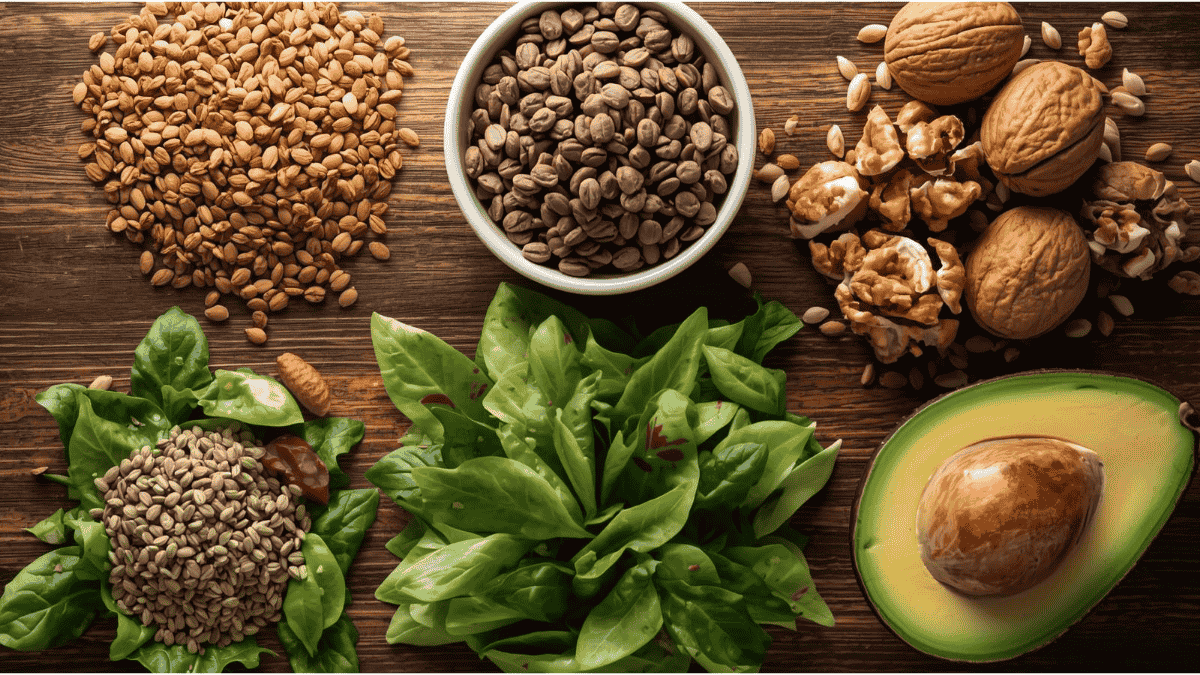
5. Nuts and Seeds For Fertility and Heart Health
Almonds, walnuts, pumpkin seeds, and flaxseeds provide healthy fats, zinc, and selenium, vital for sperm quality, heart health, and hormone balance.
6. Lean Meat Muscle Fuel and Iron Source
Chicken, turkey, and lean beef supply protein, B vitamins, and heme iron, helping maintain energy levels and oxygen flow during workouts.
7. Tomatoes: The Prostate Protector
Tomatoes contain lycopene, an antioxidant proven to reduce the risk of prostate cancer. Cooked tomatoes increase lycopene absorption.
8. Blueberries For Brain and Memory Function
Blueberries are rich in antioxidants that combat oxidative stress, slow aging, and boost cognitive performance. Regular consumption supports heart and brain health, especially in middle-aged men.
9. Greek Yogurt Gut Health and Muscle Recovery
Greek yogurt offers double the protein of regular yogurt and contains probiotics for digestion. Calcium and potassium in yogurt support muscle contraction and recovery post-workout.
10. Garlic Natural Circulation Enhancer
Garlic boosts nitric oxide production, which widens blood vessels and improves blood flow. This supports cardiovascular health and stamina.
11. Avocados Hormone and Heart Support
Avocados are rich in monounsaturated fats and potassium, essential for hormone synthesis and heart rhythm stability. They also lower bad cholesterol while maintaining good cholesterol.
12. Dark Chocolate: The Antioxidant Powerhouse
Dark chocolate (70% cocoa or higher) is loaded with flavonoids that enhance circulation, lower blood pressure, and improve mood. In moderation, it’s a healthy indulgence for men aiming to balance pleasure and nutrition.
The Science Behind Men Health Nutrition
Numerous studies confirm the impact of diet on men’s long-term health.
A Harvard Medical School study found that omega-3s improve sperm quality and testosterone levels.
The Mayo Clinic notes that magnesium and zinc play critical roles in hormone production.
The American Heart Association emphasises fiber-rich foods for reducing heart disease risk.
Together, these nutrients create a foundation for strong metabolism, balanced hormones, and long-term endurance.
Life-Stage Nutrition Chart for Men Health
| Life Stage | Key Nutrients | Daily Recommendations | Best Food Sources | Main Benefits |
|---|---|---|---|---|
| Teen (13–19 yrs) | Protein, Iron, Zinc, Calcium | Protein: 60g, Iron: 11mg | Eggs, dairy, spinach, chicken | Muscle and bone growth |
| Young Adult (20–35 yrs) | Protein, Omega-3, Vitamin D, Zinc | Protein: 70g, Omega-3: 1.6g | Salmon, nuts, eggs, whole grains | Hormone and energy support |
| Middle Age (36–50 yrs) | Fiber, Potassium, Antioxidants | Fiber: 30g, Potassium: 3,400mg | Oats, veggies, fruits | Heart and digestive health |
| Senior (50+ yrs) | Calcium, B12, Omega-3 | Calcium: 1,200mg, B12: 2.4mcg | Yogurt, fish, leafy greens | Joint, brain, and heart health |
| Athletic Men (Any Age) | Protein, Magnesium, Iron | Protein: 1.6g/kg body weight | Lean meats, beans, spinach | Performance and recovery |
Common Mistakes That Harm Men Health
- Skipping breakfast lowers metabolism and reduces focus.
- Overeating protein without fiber strains the kidneys.
- Ignoring vegetables means missing antioxidants that prevent fatigue.
- Excess alcohol reduces testosterone and harms the liver.
- High sodium intake increases hypertension and bloating.
A balanced approach with variety and moderation ensures sustained performance and long-term well-being.
Practical Tips to Optimise Men Nutrition
• Start your day with a protein-rich breakfast.
• Choose whole-grain carbs for energy stability.
• Stay hydrated; dehydration reduces muscle function.
• Limit fried and processed foods.
• Cook with olive oil instead of butter.
• Eat colorful vegetables daily for antioxidants.
• Include zinc-rich foods like pumpkin seeds for fertility.
• Sleep 7–8 hours to allow hormone repair.
Expert Opinions on Men Health
Harvard Health recommends Mediterranean-style diets for reducing heart disease.
NIH notes that adequate zinc and magnesium maintain testosterone levels.
Cleveland Clinic suggests lycopene and fiber for prostate and colon health. The
American Heart Association supports fish oil and plant-based fats for cardiac wellness.
Conclusion: Strength Starts with Smart Nutrition Men Health
Men health depends as much on nutrition as on physical activity. The best foods for men are salmon, spinach, eggs, tomatoes, nuts, and avocado work together to protect the heart, strengthen muscles, and balance hormones.
Food isn’t just fuel; it’s prevention. A well-balanced plate can reduce disease risks, improve vitality, and extend longevity. Prioritise whole foods, stay active, hydrate, and rest well because true strength is built from the inside out.
Next up, in Diet for Healthy Pregnancy and Baby Development, we’ll explore how nutrition shapes family health from conception onward, emphasising the shared role both partners play in a baby’s well-being.
30 FAQs About Men Nutrition and Vitality
Q1. What’s the best overall diet for men?
A balanced mix of lean protein, whole grains, fruits, vegetables, and healthy fats.
Q2. Which food is best for testosterone?
Eggs, salmon, spinach, and nuts help maintain testosterone levels.
Q3. What vitamins should men take daily?
Vitamin D, B12, and zinc are especially important.
Q4. Can men follow a vegetarian diet?
Yes, but they should ensure adequate protein and iron intake.
Q5. Are eggs good for men’s heart health?
Yes, when consumed in moderation with a balanced diet.
Q6. How much water should men drink daily?
Around 3 to 3.5 liters, depending on activity level.
Q7. Can diet improve fertility?
Yes, zinc, selenium, and omega-3s support sperm health.
Q8. What’s the best time to eat protein?
Include it with every meal, especially post-workout.
Q9. Does skipping meals lower testosterone?
Yes, prolonged fasting can impact hormone regulation.
Q10. Are carbohydrates necessary?
Yes, whole carbs like oats and rice fuel energy and workouts.
Q11. Which foods protect the prostate?
Tomatoes, broccoli, and green tea are beneficial.
Q12. Can nuts boost fertility?
Yes, walnuts and pumpkin seeds improve sperm quality.
Q13. Is red meat harmful?
Lean cuts are fine occasionally; avoid processed meat.
Q14. How can men prevent heart disease through diet?
Eat omega-3-rich foods, reduce sodium, and stay active.
Q15. Can too much protein harm health?
Yes, excess protein without fiber may strain the kidneys.
Q16. What are the best pre-workout foods?
Bananas, oats, or whole-grain toast with nut butter.
Q17. Is coffee healthy for men?
Yes, in moderation; avoid sugary additives.
Q18. Can dark chocolate improve men’s health?
Yes, it enhances circulation and reduces stress.
Q19. What’s the best post-workout recovery food?
Protein shakes or chicken with rice and vegetables.
Q20. Are supplements necessary for healthy men?
Only if the diet is lacking in key nutrients.
Q21. Can men eat dairy daily?
Yes, low-fat dairy supports bone and muscle health.
Q22. Do men need more calories than women?
Yes, due to higher muscle mass and metabolism.
Q23. Which foods improve mood?
Fish, nuts, and leafy greens contain mood-regulating nutrients.
Q24. Can alcohol affect testosterone?
Yes, excessive intake lowers hormone levels.
Q25. How can men boost metabolism naturally?
Eat protein-rich meals and stay physically active.
Q26. What foods help reduce belly fat?
High-fiber foods like oats, legumes, and fruits.
Q27. Can intermittent fasting work for men?
Yes, if meals are nutrient-balanced and hydration is maintained.
Q28. Are energy drinks safe?
No, they often cause energy crashes and dehydration.
Q29. What’s one habit all men should follow?
Eat whole, unprocessed foods and stay consistent.
Q30. How does sleep affect men’s health?
Poor sleep lowers testosterone and increases weight gain.