Vegan vs. Vegetarian Diet: A Modern Debate on Plant-Based Eating
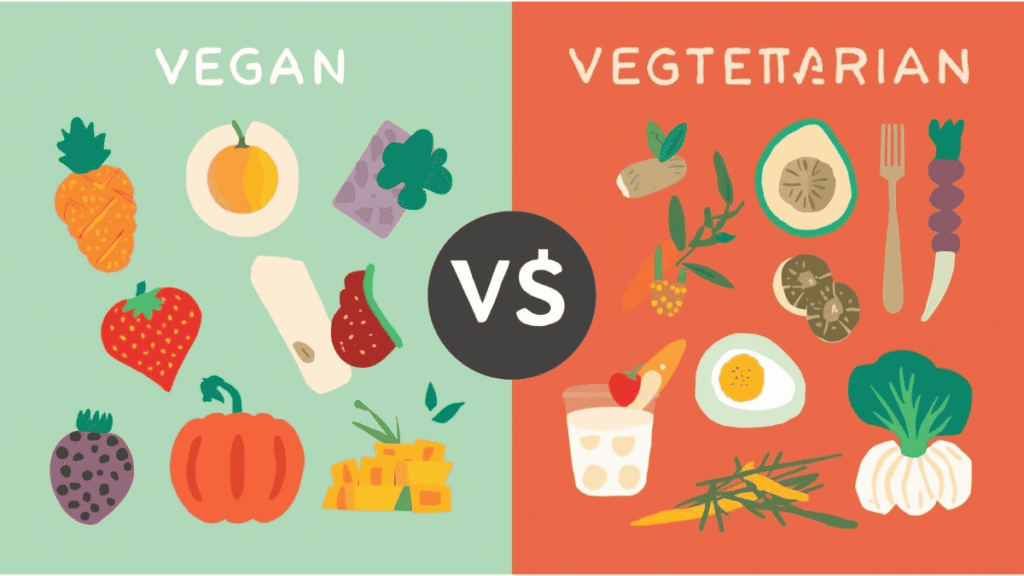
As health awareness and sustainability rise, more people are turning toward plant-based diets. But confusion often arises between vegan vs vegetarian lifestyles. Both prioritize plants over animal products, yet their diet in, nutritional focus, and daily habits differ in key ways.
Vegetarianism allows some animal products like dairy and eggs, while veganism eliminates all forms of animal-derived ingredients, including honey and gelatin. The choice between the two depends on personal health goals, ethical beliefs, and lifestyle preferences.
In Keto Diet: Benefits, Risks, and Expert Opinions, we explored a high-fat, low-carb approach. Today, we shift to plant-powered eating, understanding how vegan and vegetarian diets compare in nutrition, sustainability, and long-term health. Tomorrow, we’ll move to How to Balance Nutrition in a Busy Lifestyle a guide for people managing health on tight schedules.
What is a Vegetarian Diet?
A vegetarian diet focuses on plant-based foods but includes some animal by-products depending on the type:
Lacto-vegetarian: Includes dairy, no eggs.
Ovo-vegetarian: Includes eggs, no dairy.
Lacto-ovo vegetarian: Includes both dairy and eggs.
Pescatarian: Includes fish but avoids meat and poultry.
Vegetarians avoid animal flesh but often rely on eggs, cheese, and yogurt for protein and nutrients like vitamin B12 and calcium.
What is a Vegan Diet?
A vegan diet excludes all animal-derived products meat, fish, eggs, dairy, and even honey. Vegans depend entirely on plant foods such as legumes, fruits, vegetables, whole grains, nuts, and seeds.
Beyond food, veganism is often seen as a lifestyle choice that avoids animal exploitation extending to clothing (no leather or wool), cosmetics, and even household products.
10 Key Differences Between Vegan vs Vegetarian Diets
1. Use of Animal Products
Vegetarians consume dairy and/or eggs, while vegans avoid all animal products completely.
2. Ethical Motivation
Vegetarians often focus on health or environmental concerns; vegans typically emphasize animal rights and ethical living.
3. Nutrient Sources
Vegetarians get protein, calcium, and vitamin B12 from dairy and eggs; vegans rely on fortified foods and plant-based supplements.
4. Risk of Deficiency
Vegans may lack B12, iron, and omega-3s if not planned well; vegetarians are less likely to face such deficiencies.
5. Protein Variety
Vegetarians have more complete protein sources through eggs and dairy; vegans must combine foods like rice and beans for amino acid balance.
6. Fat Intake
Vegans often consume healthier fats from nuts and seeds, while vegetarians may consume more saturated fats from cheese and butter.
7. Weight Management
Studies suggest vegans tend to have lower body weights due to higher fiber and lower calorie density.
8. Environmental Impact
Both diets are eco-friendly, but veganism typically has a lower carbon footprint due to zero animal agriculture.
9. Social Flexibility
Vegetarian diets are easier to maintain in mixed social or cultural settings; vegan diets require more planning.
10. Long-Term Health Benefits
Both reduce risks of heart disease, type 2 diabetes, and certain cancers, but vegan diets may offer stronger anti-inflammatory effects if balanced well.
Research Insights
A Harvard School of Public Health study found that both vegan and vegetarian diets lower heart disease risk by up to 25%.
The American Journal of Clinical Nutrition noted that vegans have higher fiber and antioxidant intake but must monitor B12 and omega-3 levels.
WHO recognises plant-based diets as beneficial for both personal and planetary health.
Practical Tips for Success on Both Diets: Vegan vs Vegetarian Diet
For Vegetarians:
Choose low-fat dairy and eggs for protein without excess cholesterol.
Include iron-rich foods like spinach and lentils.
Combine vitamin C foods with iron sources for better absorption.
For Vegans:
Eat a variety of protein sources (tofu, tempeh, lentils, chickpeas, quinoa).
Include fortified foods or supplements for B12, vitamin D, and calcium.
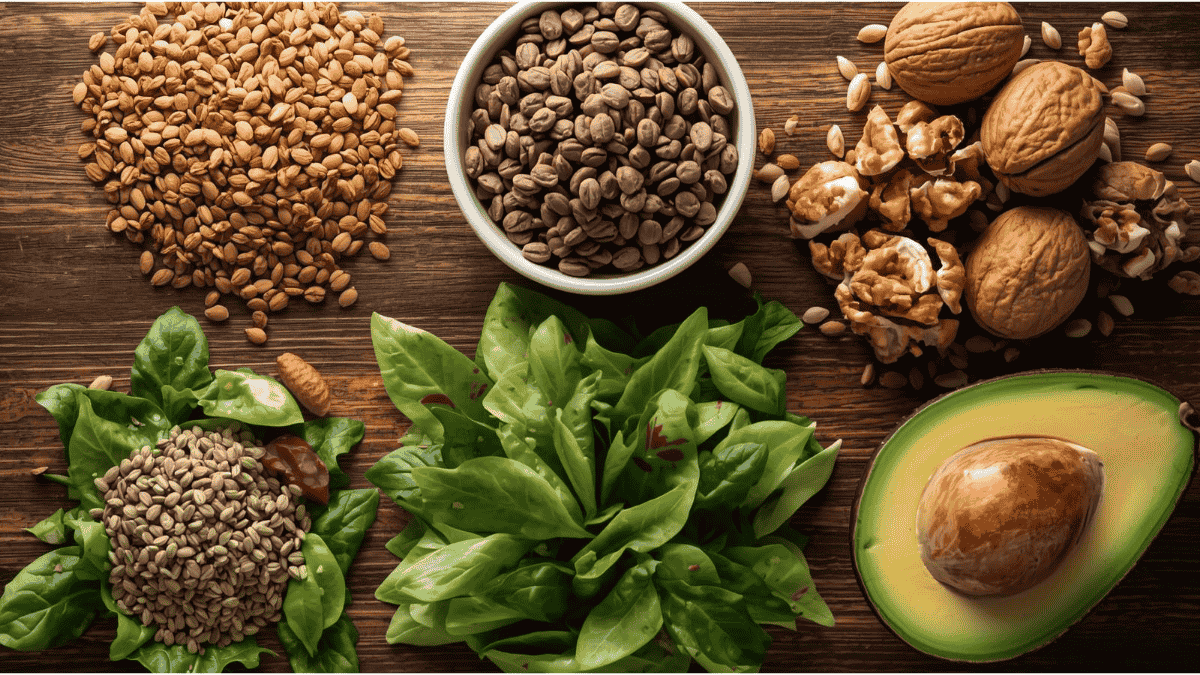
Use chia seeds, walnuts, or flaxseed for omega-3s.
For Both Vegan vs Vegetarian Diet
Focus on whole, unprocessed foods.
Stay hydrated and maintain balanced portions.
Plan meals in advance to meet nutrient needs.
Conclusion: Vegan vs Vegetarian Diet: Which One is Better?
Both vegan and vegetarian diets can support excellent health when well-planned. The right choice depends on your values, health goals, and lifestyle.
A vegetarian diet offers flexibility and easier access to nutrients like calcium and B12. A vegan diet, meanwhile, aligns strongly with ethical and environmental priorities.
The bottom line: whichever you choose, emphasize variety, balance, and mindful eating. Both paths can lead to long-term health when followed responsibly.
As we transition to How to Balance Nutrition in a Busy Lifestyle, we’ll learn how to apply these plant-based lessons even when life gets hectic.
30 FAQs on Vegan vs Vegetarian Diets
Q1. What’s the main difference between vegan and vegetarian diets?
Vegans avoid all animal products; vegetarians may include dairy or eggs.
Q2. Is a vegan diet healthier than a vegetarian?
Both can be healthy if balanced, though veganism requires more planning.
Q3. Can vegans get enough protein?
Yes, from beans, lentils, tofu, tempeh, quinoa, and nuts.
Q4. Do vegetarians eat eggs?
Yes, depending on the type (ovo or lacto-ovo vegetarians).
Q5. What nutrients are harder to get on a vegan diet?
Vitamin B12, iron, calcium, and omega-3 fatty acids.
Q6. Do vegans need supplements?
Yes, especially for B12 and sometimes vitamin D and calcium.
Q7. Can vegan diets cause deficiencies?
Only if poorly planned, fortified foods and supplements prevent that.
Q8. Which diet is better for weight loss?
Vegan diets may help more due to lower calorie density.
Q9. Can vegans build muscle?
Yes, with adequate protein and calorie intake.
Q10. Do both diets reduce heart disease risk?
Yes, significantly compared to meat-based diets.
Q11. Is dairy healthy?
In moderation, it’s a good calcium source for vegetarians.
Q12. Can vegan diets support pregnancy?
Yes, with careful nutrient planning and medical guidance.
Q13. Which is more sustainable for the planet?
Vegan diets typically have a lower environmental footprint.
Q14. Do vegetarians consume honey?
Most do, but vegans avoid it.
Q15. Are vegan diets safe for children?
Yes, if nutrient needs are met through balanced meals.
Q16. How do vegans get calcium?
From fortified plant milk, almonds, tofu, and leafy greens.
Q17. Are plant-based meats healthy?
They can be processed; whole foods are better.
Q18. Which is easier to follow socially?
Vegetarianism tends to be easier.
Q19. Can vegans drink alcohol?
Yes, but some wines and beers use animal-based fining agents.
Q20. Are eggs unhealthy for vegetarians?
No, they provide quality protein and nutrients when eaten moderately.
Q21. Can vegan diets lower cholesterol?
Yes, they eliminate dietary cholesterol completely.
Q22. Is vitamin B12 only in animal products?
Mostly, that’s why vegans need supplements.
Q23. Do both diets support digestion?
Yes, high fiber improves gut health.
Q24. Can vegetarians eat gelatin?
No, it’s animal-derived.
Q25. Is vegan cheese healthy?
Depends on ingredients choose minimally processed options.
Q26. Can vegans eat pasta?
Yes, if it’s egg-free (most dry pasta is).
Q27. Which diet helps the environment more?
Vegan diets due to lower in resource use.
Q28. Are vegetarian diets easier nutritionally?
Yes, they offer more flexibility and nutrient variety.
Q29. Do vegans live longer?
Studies suggest vegans and vegetarians may live longer than meat-eaters.
Q30. Which diet should beginners start with?
A vegetarian diet can be a smoother transition toward veganism.