Introduction: Why the Keto Diet Sparked Global Interest
Few diets have gained as much attention in the past decade as the Ketogenic (Keto) Diet. Marketed as a quick way to burn fat, it focuses on drastically reducing carbohydrates and replacing them with fat, forcing the body into a state called ketosis. In this metabolic state, fat becomes the primary fuel source instead of glucose.
But while Keto has attracted celebrities, fitness influencers, and millions of followers worldwide, health experts remain divided. Some praise its effectiveness for rapid weight loss and managing certain conditions, while others warn of potential side effects and long-term risks.
In Mediterranean Diet: Why It’s Considered the Healthiest, we explored a balanced lifestyle backed by decades of research. Today, we analyse Keto, its science, benefits, risks, and what leading nutrition experts really think. Tomorrow, we’ll move forward to Vegan Diet vs. Vegetarian Diet: Key Differences, another trending dietary debate.
What is the Keto Diet?
The Keto Diet typically limits carbs to 20–50 grams per day, pushing the body to burn fat for energy. A standard keto plate includes:
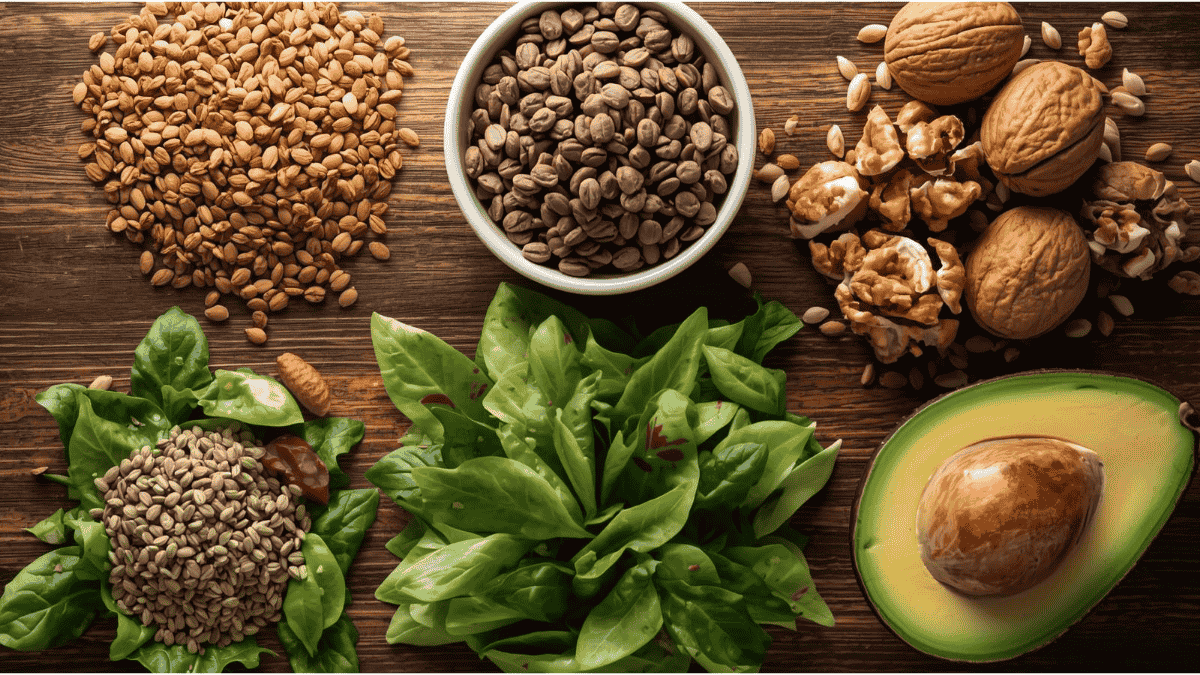
- 70–75% Fat: oils, butter, nuts, seeds, fatty fish.
- 20–25% Protein: meat, poultry, eggs, dairy.
- 5–10% Carbohydrates: leafy greens, non-starchy vegetables.
Ketosis generally takes 2–7 days to achieve, depending on carb restriction and individual metabolism.
Benefits of the Keto Diet
1. Rapid Weight Loss
By burning fat for fuel, many experience quick weight reduction, especially in the first few weeks.
2. Appetite Control
High-fat meals promote satiety, reducing cravings and unnecessary snacking.
3. Improved Blood Sugar Control
For some people with type 2 diabetes, Keto helps stabilise blood sugar and reduce dependence on insulin.
4. Better Mental Focus
Ketones are considered a more efficient brain fuel than glucose, leading to reports of improved focus and clarity.
5. Potential Therapeutic Uses
Keto was originally developed for treating epilepsy and is still used in some medical cases. Research is exploring its role in neurological disorders and cancer support.
Risks and Concerns of the Keto Diet
1. Nutrient Deficiencies
Limiting fruits, whole grains, and legumes can reduce intake of fiber, vitamins, and minerals.
2. Digestive Problems
Constipation is common due to low fiber intake.
3. “Keto Flu”
When starting, people may experience fatigue, headaches, and nausea as the body adapts.
4. Increased Cholesterol
Some people see a rise in LDL cholesterol, raising cardiovascular concerns.
5. Sustainability Issues
Strict carb restriction makes it difficult to follow long-term.
6. Not Suitable for Everyone
People with liver, kidney, or pancreatic issues should avoid Keto unless medically supervised.
Expert Opinions on Keto
- Harvard Medical School: Keto can aid short-term weight loss but may pose long-term health risks if poorly planned.
- Mayo Clinic: Benefits exist but cautions against deficiencies and sustainability issues.
- World Health Organization (WHO): Advises against extreme diets for the general population, recommending balanced approaches instead.
Comparing Keto with Other Diets
- Keto vs. Mediterranean: Mediterranean emphasizes balance and whole foods, while Keto restricts carbs heavily.
- Keto vs. DASH: DASH focuses on blood pressure control; Keto’s main goal is fat metabolism.
- Keto vs. Vegan: Vegan diets emphasize plants, while Keto emphasizes fats and animal proteins.
Practical Tips for Following Keto Safely
- Focus on healthy fats like olive oil, avocados, and nuts instead of butter and bacon.
- Include fiber-rich, low-carb vegetables such as spinach, zucchini, and broccoli.
- Stay hydrated and add electrolytes to prevent “Keto flu.”
- Consult a nutritionist before starting, especially if you have underlying health conditions.
Conclusion: Is Keto Worth It?
The Keto Diet offers clear short-term benefits, particularly for rapid weight loss and certain medical conditions. But its restrictive nature, potential nutrient gaps, and long-term risks make it unsuitable for everyone.
For those who can sustain it under professional guidance, Keto may be a tool. For most, a balanced approach like the Mediterranean or DASH Diet is safer and more sustainable.
As we transition to Vegan Diet vs. Vegetarian Diet: Key Differences, we’ll compare plant-based lifestyles to see how they stack up against Keto’s fat-focused approach.
30 FAQs on the Keto Diet
Q1. What foods can you eat on Keto?
Meat, fish, eggs, nuts, seeds, oils, and non-starchy vegetables.
Q2. How many carbs are allowed daily?
Typically 20–50 grams.
Q3. What is ketosis?
A metabolic state where the body burns fat instead of glucose for energy.
Q4. How long does it take to enter ketosis?
2–7 days, depending on carb intake and metabolism.
Q5. What is “Keto flu”?
Temporary symptoms like fatigue and headache during adaptation.
Q6. Is Keto safe for diabetics?
It may help with type 2 diabetes, but it must be supervised by a doctor.
Q7. Can Keto cause constipation?
Yes, due to low fiber intake.
Q8. Do you need supplements on Keto?
Electrolytes and vitamins may be required to prevent deficiencies.
Q9. Can vegetarians do Keto?
Yes, with eggs, dairy, nuts, and plant oils.
Q10. Is fruit allowed?
Only low-carb fruits like berries in moderation.
Q11. Does Keto raise cholesterol?
It can for some individuals; regular monitoring is important.
Q12. Is alcohol allowed on Keto?
Low-carb drinks like vodka or dry wine are allowed in moderation.
Q13. Can I build muscle on Keto?
Yes, but carbs aid performance — Keto may limit strength gains.
Q14. Is Keto safe during pregnancy?
Generally not recommended without medical supervision.
Q15. Can Keto cure cancer?
No, though it’s being researched as supportive therapy.
Q16. Is Keto a long-term solution?
Most experts recommend it only short term.
Q17. Can you cheat on Keto?
Cheat days can kick you out of ketosis, delaying progress.
Q18. Does Keto cause hair loss?
Some experience temporary shedding due to nutrient changes.
Q19. What snacks are Keto-friendly?
Cheese, nuts, boiled eggs, and avocado.
Q20. Is dairy allowed?
Yes, but choose full-fat, low-carb options.
Q21. Can Keto help with epilepsy?
Yes, it was originally developed for epilepsy management.
Q22. Is Keto good for athletes?
Endurance athletes may benefit, but strength athletes need more carbs.
Q23. Can you drink milk on Keto?
Whole milk contains too many carbs; unsweetened almond or coconut milk works better.
Q24. Does Keto reduce inflammation?
Some studies suggest yes, but the evidence is mixed.
Q25. What vegetables are best on Keto?
Leafy greens, zucchini, cauliflower, broccoli.
Q26. Are artificial sweeteners allowed?
Yes, in moderation (stevia, erythritol).
Q27. Can Keto damage kidneys?
It may in those with kidney disease; healthy individuals usually tolerate it.
Q28. How much protein is allowed?
Moderate amounts — too much can interfere with ketosis.
Q29. Can Keto cause nutrient deficiencies?
Yes, if fruits, legumes, and grains are excluded without substitutes.
Q30. Is Keto the best diet?
It depends — it works for some, but balanced diets are safer long-term.