Introduction: The Global Gold Standard of Eating

For decades, researchers have studied why people in Mediterranean countries like Greece, Italy, and Spain enjoy longer lifespans and lower rates of heart disease. The answer consistently points to their traditional diet. Known as the Mediterranean Diet, this eating pattern emphasizes whole foods like fruits, vegetables, whole grains, legumes, olive oil, fish, and nuts while limiting processed foods, red meat, and added sugars.
Unlike restrictive diets, the Mediterranean Diet isn’t about cutting out entire food groups. It’s about balance, variety, and a lifestyle centred on fresh, nutrient-rich meals. It’s so effective that the World Health Organisation (WHO) and Harvard Health recommend it as one of the best approaches for overall health.
In The DASH Diet: Designed to Lower Blood Pressure, we explored how structured eating can improve heart health. Today, we continue with the Mediterranean Diet, often hailed as the healthiest globally. Tomorrow, we’ll cover Keto Diet: Benefits, Risks, and Expert Opinions, offering a contrast between two very different nutrition approaches.
What is the Mediterranean Diet?
The Mediterranean Diet isn’t a single plan but a pattern of eating common in countries around the Mediterranean Sea. Core principles include:
- Fruits and Vegetables: At least 5 servings daily.
- Whole Grains: Bread, pasta, brown rice, oats, quinoa.
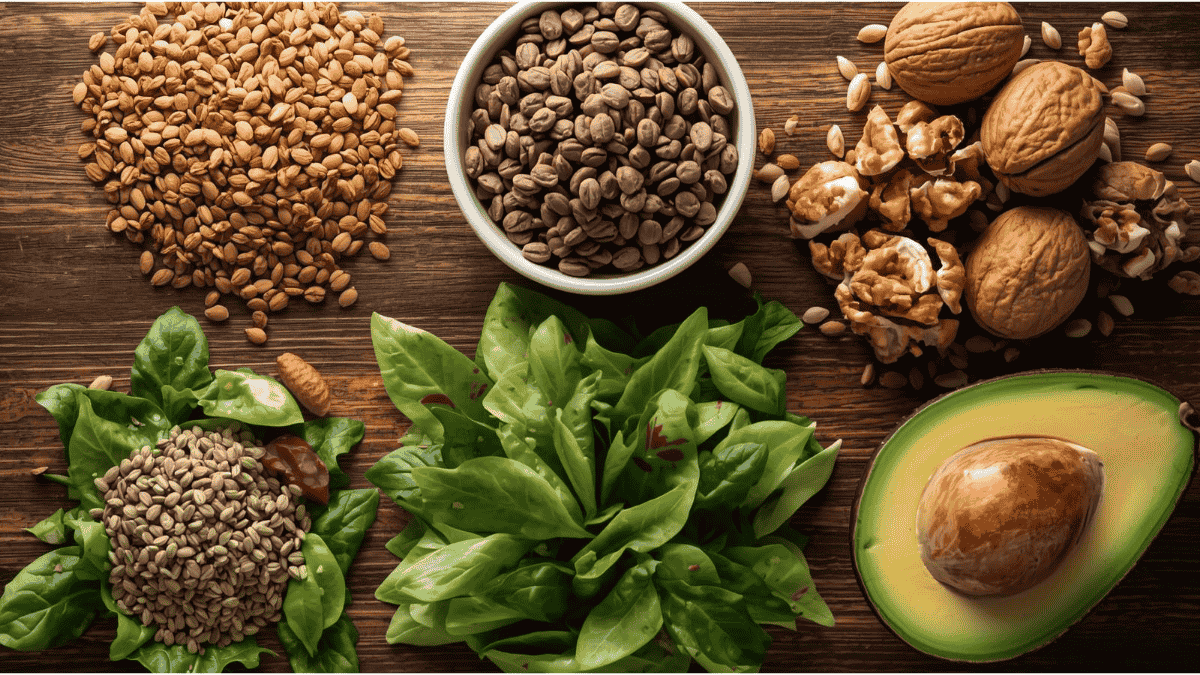
- Healthy Fats: Olive oil, nuts, seeds, avocados.
- Protein Sources: Fish and poultry often, red meat rarely.
- Dairy: Moderate amounts, usually yogurt and cheese.
- Wine: In moderation, usually with meals.
- Lifestyle: Meals enjoyed socially, with physical activity as part of daily life.
12 Science-Backed Reasons the Mediterranean Diet is the Healthiest
1. Reduces Heart Disease Risk
Rich in olive oil, nuts, and fish, the Mediterranean Diet lowers LDL cholesterol and supports cardiovascular health.
2. Lowers Blood Pressure
The diet’s high potassium and fiber intake helps regulate blood pressure naturally.
3. Supports Healthy Weight Management
Whole foods and portion balance prevent overeating and obesity.
4. Reduces Risk of Type 2 Diabetes
Balanced meals stabilize blood sugar and improve insulin sensitivity.
5. Improves Brain Function
Foods rich in omega-3s and antioxidants support memory and reduce dementia risk.
6. Protects Against Stroke
By lowering hypertension and cholesterol, stroke risk declines significantly.
7. Promotes Longevity
Studies show Mediterranean populations live longer with fewer chronic diseases.
8. Reduces Cancer Risk
Antioxidant-rich foods like vegetables, fruits, and olive oil help protect against certain cancers.
9. Supports Gut Health
Fiber-rich foods and fermented dairy improve digestion and gut microbiota.
10. Encourages Mindful, Social Eating
Eating meals slowly and with family reduces stress and improves satisfaction.
11. Backed by Global Research
Unlike many trends, decades of studies prove its effectiveness.
12. Easy to Adapt Anywhere
It’s flexible and can be followed globally using local produce and whole foods.
Research Insights
- A New England Journal of Medicine study found the Mediterranean Diet reduced cardiovascular risk by 30%.
- Harvard School of Public Health highlights its role in preventing cognitive decline.
- The American Heart Association supports it as a heart-healthy, sustainable lifestyle.
Practical Tips to Follow the Mediterranean Diet
- Use olive oil instead of butter.
- Eat fish at least twice a week.
- Fill half your plate with vegetables.
- Snack on nuts or fruit instead of processed foods.
- Limit red meat to once or twice a month.
Conclusion: The Lifestyle, Not Just a Diet
The Mediterranean Diet is more than food it’s a lifestyle of balance, social meals, and natural activity. By focusing on whole, nutrient-rich foods and reducing processed ones, it supports heart health, brain function, and longevity.
As we transition to Keto Diet: Benefits, Risks, and Expert Opinions, we’ll compare how a highly restrictive eating style stacks up against the globally celebrated Mediterranean way of life.
30 FAQs on the Mediterranean Diet
Q1. What is the Mediterranean Diet?
A diet rich in fruits, vegetables, whole grains, olive oil, fish, and nuts.
Q2. Is red meat allowed?
Yes, but only occasionally.
Q3. Can vegetarians follow it?
Yes, with legumes, nuts, and plant-based proteins.
Q4. Is wine required?
No, it’s optional and should be consumed moderately.
Q5. Does it help with weight loss?
Yes, by emphasizing whole, filling foods.
Q6. Is dairy included?
Yes, in moderation, mainly yogurt and cheese.
Q7. How does it protect the heart?
By lowering cholesterol, blood pressure, and inflammation.
Q8. Can it prevent diabetes?
Yes, it improves insulin sensitivity.
Q9. Is olive oil the only fat allowed?
It’s the main fat, but nuts, seeds, and avocados are also included.
Q10. Does it reduce cancer risk?
Yes, thanks to antioxidants and fiber.
Q11. Is it expensive to follow?
No, it can be adapted to local, seasonal produce.
Q12. Are snacks allowed?
Yes, as long as they’re healthy like nuts or fruit.
Q13. Is bread allowed?
Yes, preferably whole-grain bread.
Q14. Can I eat pasta?
Yes, but choose whole-grain and balance portions.
Q15. Is it safe for kids?
Yes, it’s family-friendly and nutrient-rich.
Q16. Does it improve brain health?
Yes, it reduces risk of dementia and Alzheimer’s.
Q17. How often should I eat fish?
At least twice a week.
Q18. Is sugar restricted?
Yes, desserts and sweets should be limited.
Q19. Does it help with longevity?
Yes, it’s linked to longer, healthier lives.
Q20. Is the Mediterranean Diet flexible?
Yes, it can be tailored globally.
Q21. Can athletes follow it?
Yes, it provides steady energy for performance.
Q22. Does it include processed foods?
They should be minimized.
Q23. How does it affect cholesterol?
It lowers LDL and supports HDL.
Q24. Can it help digestion?
Yes, fiber improves gut health.
Q25. Is red wine healthier than white?
Red has more antioxidants, but both should be moderate.
Q26. Is fasting part of the diet?
Not officially, though traditional meal timing supports balance.
Q27. Can it be combined with other diets?
Yes, like DASH or plant-based approaches.
Q28. Is salt restricted?
Yes, herbs and spices replace excessive sodium.
Q29. What’s the biggest advantage?
It’s sustainable and backed by decades of research.
Q30. Is it truly the healthiest diet?
Yes, global experts consistently rank it #1.