Introduction: Why Nutrition Tips to Build Muscle Matter as Much as Training
When people think of building muscle, the first image that comes to mind is hours in the gym. But lifting weights is only half the equation. Without proper nutrition, even the most intense workouts won’t deliver results. Muscles grow when they receive the right fuel: protein for repair, carbs for energy, and healthy fats for hormone balance.
Nutrition determines whether the weight you gain becomes muscle or simply fat. Strategic food choices enhance strength, recovery, and endurance, helping you maximize every training session.
In Best Foods for Weight Gain in a Healthy Way, we explored how to add calories safely. Today, we go one step further, turning those calories into lean muscle mass. Tomorrow, we’ll continue with ‘The DASH Diet: Designed to Lower Blood Pressure,’ shifting our focus from performance to heart health.
12 Proven Nutrition Tips for Build Muscle
1. Prioritize Protein in Every Meal
Protein is the building block of muscle. Aim for 1.6–2.2 grams of protein per kilogram of body weight daily. Sources: chicken, fish, eggs, lentils, tofu, and Greek yogurt.
2. Time Your Protein Intake
Eating protein within two hours post-workout supports muscle repair. A protein shake or a meal with lean meat, eggs, or beans works well.
3. Don’t Fear Carbohydrates
Carbs replenish glycogen stores and fuel workouts. Choose whole grains, oats, rice, and sweet potatoes to support energy without spikes and crashes.
4. Healthy Fats Support Hormones
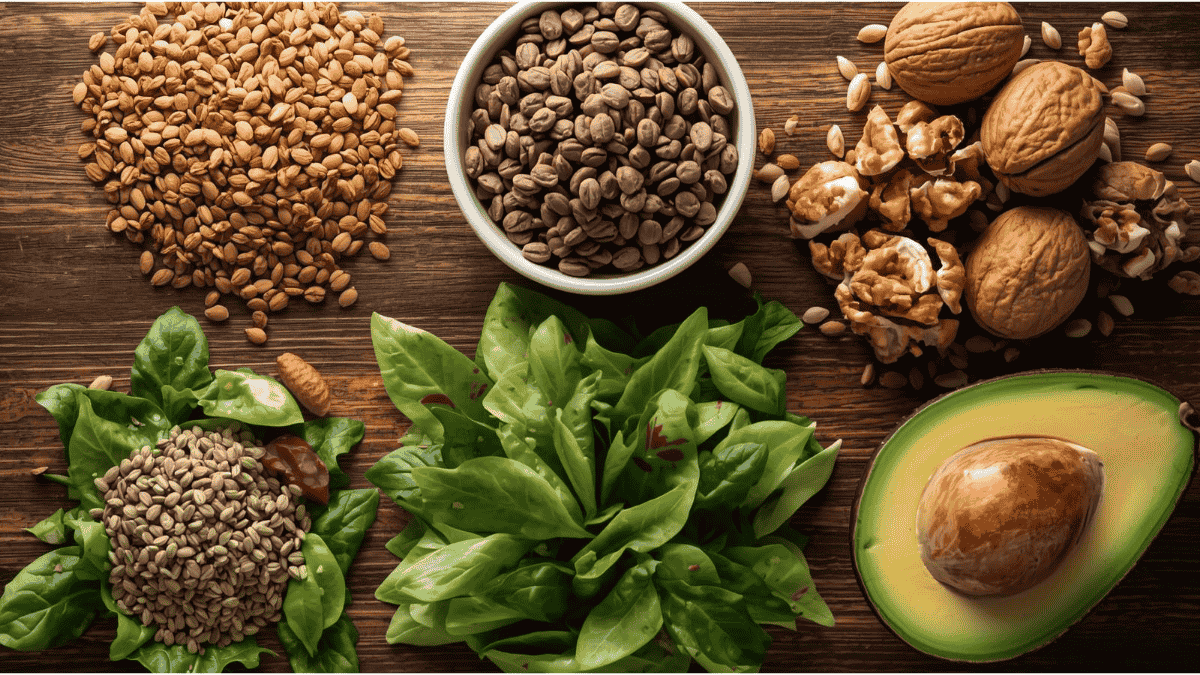
Fats aren’t the enemy. Omega-3s from salmon, walnuts, and flaxseed regulate hormones like testosterone, which is vital for muscle growth.
5. Eat More Frequently
Spreading meals into 5–6 smaller portions ensures a steady nutrient supply. This approach prevents long gaps that slow recovery.
6. Stay Hydrated
Water supports nutrient transport, muscle contraction, and recovery. Dehydration reduces performance and delays muscle repair.
7. Add Calorie-Dense, Nutrient-Rich Foods
If you want muscle gain, you need a calorie surplus. Use nuts, nut butters, avocados, and whole-fat dairy to boost calories without junk.
8. Balance Macronutrients
A general ratio for muscle gain is 40% carbs, 30% protein, and 30% fats. Adjust based on your body’s needs and activity level.
9. Focus on Recovery Meals
Post-workout meals should combine protein and carbs. Example: grilled chicken with rice and vegetables or a protein smoothie with oats and banana.
10. Limit Processed Junk Foods
They may add calories but lack the nutrients necessary for recovery and lean muscle growth. Stick to whole, minimally processed foods.
11. Don’t Skip Micronutrients
Vitamins and minerals like magnesium, vitamin D, calcium, and iron are essential for energy metabolism and muscle contraction. Get them from leafy greens, dairy, and fruits.
12. Track Your Progress
Keep a food diary or use an app to monitor calories, protein, and carbs. Adjust intake based on results, add calories if you’re not gaining, reduce slightly if gaining fat.
Research Insights
- NIH studies confirm that high-protein diets combined with resistance training enhance muscle mass.
- Harvard Health notes that post-exercise protein timing significantly improves recovery.
- Journal of the International Society of Sports Nutrition highlights that both carbs and protein are essential for muscle repair and glycogen restoration.
Practical Tips for Muscle Gain
- Cook in bulk to avoid skipping meals.
- Pair protein with every snack (e.g., apple with peanut butter, Greek yogurt with granola).
- Use smoothies to easily boost calories and protein.
- Train with progressive overload while maintaining your nutrition plan.
Conclusion: Fueling Muscles for Growth
Building muscle is a science of balance. Strength training provides the stimulus, but nutrition provides the foundation. From prioritising protein to balancing macronutrients and staying hydrated, every choice fuels your progress.
Consistency matters more than quick fixes. With smart food strategies, you not only gain muscle but also improve overall health and performance.
As we step into The DASH Diet: Designed to Lower Blood Pressure, we’ll see how structured diets can improve cardiovascular wellness, proving that nutrition isn’t just for athletes but for everyone.
FAQs on Muscle-Building Nutrition
Q1. How much protein do I need daily to build muscle?
1.6–2.2g per kg of body weight is recommended.
Q2. What’s the best protein source?
Chicken, fish, eggs, lentils, beans, and tofu are excellent.
Q3. Do I need protein shakes?
Not required but convenient for meeting protein goals.
Q4. Should I eat carbs when trying to build muscle?
Yes, they fuel workouts and recovery.
Q5. Is fat important for muscle gain?
Yes, healthy fats support hormone balance.
Q6. What’s the best post-workout meal?
A mix of carbs and protein, like chicken with rice or a smoothie.
Q7. How many meals should I eat daily?
5–6 small meals help maintain nutrient flow.
Q8. Is calorie surplus necessary for muscle gain?
Yes, you need more calories than you burn.
Q9. Can vegetarians build muscle effectively?
Yes, with plant proteins like beans, tofu, quinoa, and lentils.
Q10. Do supplements like creatine help?
Yes, creatine is one of the most studied and effective supplements.
Q11. How important is hydration?
Very important — dehydration lowers strength and delays recovery.
Q12. Should I avoid junk food while bulking?
Yes, it adds empty calories without nutrients.
Q13. Do I need to eat before bed for muscle gain?
A protein-rich snack like Greek yogurt can support overnight repair.
Q14. Is intermittent fasting good for muscle growth?
It can work, but consistent protein intake throughout the day is better.
Q15. Should I eat breakfast if building muscle?
Yes, it jumpstarts energy and prevents muscle breakdown.
Q16. Do I need to count macros?
Tracking macros helps ensure balance and progress.
Q17. What are the best carbs for muscle gain?
Whole grains, oats, rice, potatoes, and fruit.
Q18. Can I build muscle without the gym?
Bodyweight exercises help, but resistance training is most effective.
Q19. Is red meat necessary for muscle growth?
No, but it’s a good protein and iron source.
Q20. Are eggs good for muscle gain?
Yes, they’re a complete protein with healthy fats.
Q21. How much water should I drink?
At least 2–3 liters daily, more if training hard.
Q22. Should I bulk or cut first?
Depends on your goal — if lean, bulk; if overweight, cut first.
Q23. Can cardio affect muscle gain?
Excess cardio may interfere, but moderate cardio supports health.
Q24. Do I need supplements like BCAAs?
Not if you get enough protein from food.
Q25. Can women build muscle the same as men?
Yes, though hormonal differences may affect rate.
Q26. Is alcohol bad for muscle growth?
Yes, it slows recovery and reduces protein synthesis.
Q27. Should I eat more on workout days?
Yes, to match higher energy demands.
Q28. How long before I see results?
With proper nutrition and training, 8–12 weeks shows noticeable change.
Q29. Do cheat meals affect muscle gain?
Occasional cheat meals are fine if most meals are balanced.
Q30. What’s the biggest mistake in muscle nutrition?
Not eating enough protein or calories to support growth.