Introduction: Why Nutrition Myths Spread So Easily
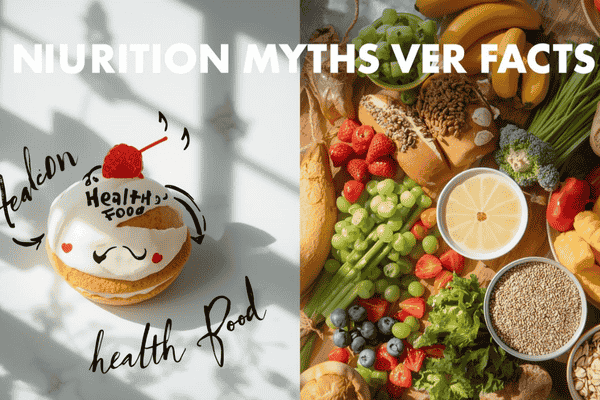
In the world of health and wellness, misinformation spreads faster than evidence-based facts. From social media trends to word-of-mouth advice, it’s easy to get confused by claims like “carbs are bad” or “detox diets flush out toxins.” While some of these ideas sound convincing, many are myths that can mislead people into unhealthy choices.
Nutrition science evolves constantly, but separating facts from fads is critical for making decisions that actually benefit your health. By understanding what’s true and what’s not, you can avoid unnecessary restrictions and focus on what really matters.
Yesterday, we focused on shaping children’s food habits in Kids’ Nutrition: Building Healthy Eating Habits Early. Today, we’re tackling myths that affect people of all ages. Tomorrow, as we step into Month 2 of this nutrition journey, we’ll begin with 15 proven Nutrition Tips for Weight Loss That Actually Work, a natural next step since weight management is one area where myths abound.
15 Common Nutrition Myths vs. Facts
Myth 1: Carbs are bad for you
Fact: Not all carbs are equal. Whole grains, fruits, and vegetables provide fiber and essential nutrients, while refined carbs like white bread should be limited.
Myth 2: Eating fat makes you fat
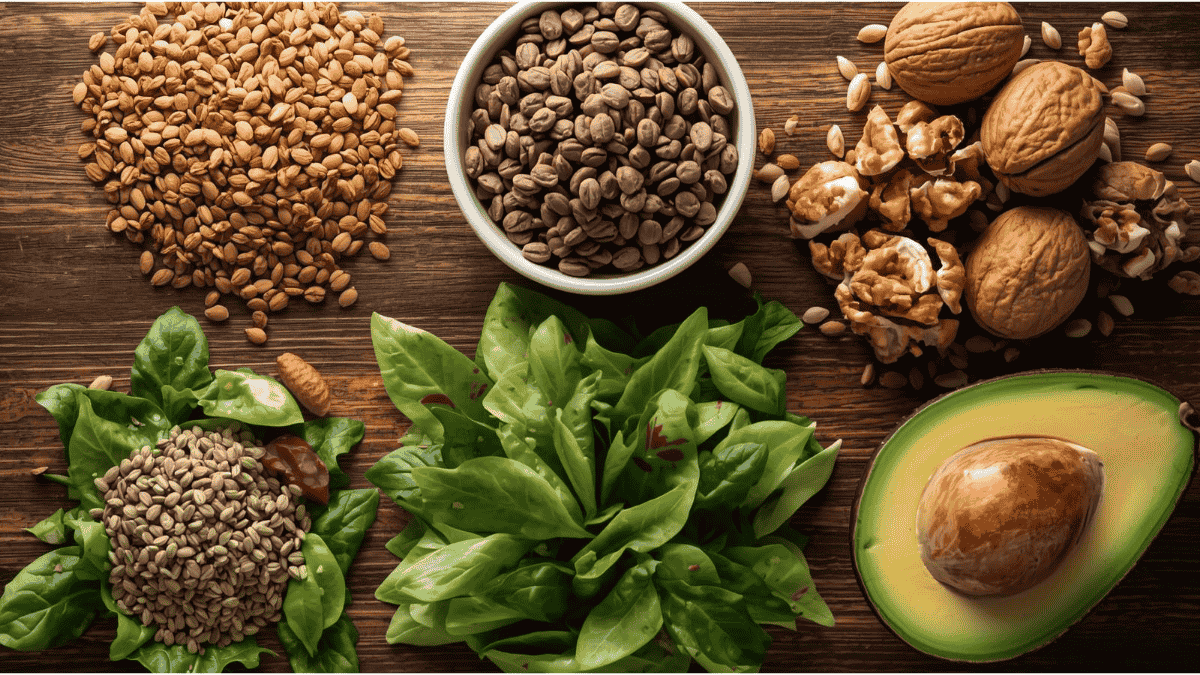
Fact: Healthy fats (avocados, nuts, olive oil) are vital for brain function and hormone balance. Excess calories, not fat alone, cause weight gain.
Myth 3: Skipping meals helps with weight loss
Fact: Skipping meals often leads to overeating later. Balanced, portion-controlled meals support steady metabolism.
Myth 4: Detox diets cleanse your body
Fact: The liver and kidneys naturally detoxify the body. Extreme “detox” plans can do more harm than good.
Myth 5: Protein is only for athletes
Fact: Everyone needs protein for muscle repair, immunity, and energy not just athletes.
Myth 6: Gluten-free diets are healthier for everyone
Fact: Gluten-free foods are essential for people with celiac disease, but not automatically healthier for others.
Myth 7: Fresh vegetables are always better than frozen
Fact: Frozen vegetables often retain more nutrients since they’re preserved quickly after harvest.
Myth 8: Eating late at night causes weight gain
Fact: Weight gain is linked to total daily calories and activity, not meal timing alone.
Myth 9: High-protein diets damage kidneys
Fact: For healthy individuals, high-protein diets are safe. Only people with kidney disease need restrictions.
Myth 10: Natural sugars like honey are healthier than refined sugar
Fact: The body processes honey, agave, and sugar similarly. Moderation is key.
Myth 11: Organic foods are always more nutritious
Fact: Organic reduces pesticide exposure, but nutrient levels are often the same as conventional produce.
Myth 12: Low-fat foods are always better
Fact: Many low-fat products are high in sugar to improve taste. Whole, minimally processed foods are healthier choices.
Myth 13: You need supplements if you eat healthy
Fact: Most nutrients should come from food. Supplements are helpful only when deficiencies are diagnosed.
Myth 14: Salt substitutes are always safe
Fact: Potassium-based substitutes can be risky for people with kidney issues or on certain medications.
Myth 15: Drinking more water speeds up weight loss
Fact: Staying hydrated helps metabolism, but water alone doesn’t cause weight loss without dietary balance.
Research Insights
- The Harvard T.H. Chan School of Public Health confirms that whole carbs (like oats and brown rice) support health, while refined carbs increase disease risk.
- A World Health Organisation (WHO) report notes that “detox diets” are unnecessary because natural detoxification occurs through the liver and kidneys.
- NIH studies show no evidence that eating late causes weight gain, reinforcing the importance of calorie balance.
How to Spot Nutrition Myths
- Check the source: Is it from a peer-reviewed journal or a social media influencer?
- Look for extremes: Claims like “never eat carbs” or “this food burns fat” are usually myths.
- Rely on consistency: If multiple studies over the years support a claim, it’s more likely true.
Practical Tips for Staying Evidence-Based
- Follow guidelines from trusted bodies like the WHO, FDA, or the AHA.
- Focus on balanced meals rather than single nutrients.
- Limit ultra-processed foods regardless of trendy claims.
- Remember: moderation is more sustainable than extremes.
Conclusion: Choose Science, Not Hype
Nutrition myths spread because they promise quick fixes. But the truth is, sustainable health comes from balanced eating of whole foods, practising portion control, and avoiding extremes. By separating fact from fiction, you gain confidence in your choices and protect your long-term health.
As we move into 15 proven Nutrition Tips for Weight Loss That Actually Work, we’ll apply this fact-based approach to one of the most misunderstood areas of nutrition: weight management.
FAQs on Nutrition Myths
Q1. Are carbs really bad for health?
No, only refined carbs should be limited; whole carbs are beneficial.
Q2. Do detox drinks remove toxins?
No, your liver and kidneys handle detoxification naturally.
Q3. Is honey healthier than sugar?
Nutritionally, they’re similar; both should be consumed in moderation.
Q4. Can eating fat cause obesity?
No, excess calories overall cause weight gain, not fat alone.
Q5. Are frozen vegetables less nutritious?
No, they often retain more nutrients than fresh ones stored too long.
Q6. Do I need to avoid eating at night?
Not necessarily; it’s total daily calories that matter most.
Q7. Is protein harmful to the kidneys?
Not in healthy individuals; only those with kidney issues need limits.
Q8. Are low-fat foods always better?
No, they can be loaded with sugar or additives.
Q9. Are supplements necessary?
Only if you have deficiencies or as prescribed by a doctor.
Q10. Is gluten bad for everyone?
No, it only needs to be avoided in celiac disease or gluten sensitivity.
Q11. Do organic foods have more nutrients?
Not necessarily; the main benefit is reduced pesticide exposure.
Q12. Does drinking water make you lose weight?
It helps control appetite but doesn’t cause weight loss alone.
Q13. Do salt substitutes help with blood pressure?
Yes, but potassium-based ones may not be safe for kidney patients.
Q14. Can skipping meals speed weight loss?
No, it often leads to overeating later.
Q15. Do certain foods burn fat?
No, no single food burns fat. Weight loss comes from calorie balance.
Q16. Is caffeine harmful?
Moderate caffeine can be safe, but too much causes anxiety or insomnia.
Q17. Do artificial sweeteners cause cancer?
Scientific evidence doesn’t confirm this at safe consumption levels.
Q18. Should kids follow low-carb diets?
No, children need carbs for growth and energy.
Q19. Does apple cider vinegar help with weight loss?
There’s limited evidence; it’s not a magic solution.
Q20. Are all processed foods bad?
Not all; minimally processed foods like frozen veggies are healthy.
Q21. Do high-protein diets weaken bones?
No, protein supports bone health when combined with calcium.
Q22. Are superfoods essential?
They’re healthy, but no single food provides everything.
Q23. Does eating multiple small meals boost metabolism?
Not significantly; total calories matter more.
Q24. Is plant-based always healthier?
It depends a balanced diet, which is what matters most.
Q25. Can food cure diseases?
Food supports health but doesn’t replace medical treatment.
Q26. Is dairy necessary for strong bones?
It helps, but calcium can also come from plant-based sources.
Q27. Are carbs needed for brain function?
Yes, glucose from carbs is the brain’s primary energy source.
Q28. Do athletes need supplements?
Not always; whole foods often meet requirements.
Q29. Does eating cholesterol raise blood cholesterol?
For most people, dietary cholesterol has little impact on blood cholesterol.
Q30. Can fad diets be harmful?
Yes, restrictive diets can cause nutrient deficiencies and poor health.