Portion control is not about strict dieting or depriving yourself. Instead, it’s about creating balance, enjoying the foods you love in amounts that support your body’s needs. From stabilising blood sugar to improving digestion and preventing overeating, portion control offers benefits far beyond calorie counting.
Introduction: More Than What You Eat, It’s How Much
When it comes to healthy eating, most of us focus on what foods to choose: vegetables, lean proteins, and whole grains. But there’s another factor that plays an equally critical role in nutrition: Portion Control Daily diet. Eating the right foods in the wrong amounts can lead to weight gain, digestive problems, and chronic health conditions like diabetes and heart disease.
Understanding portion sizes helps you strike a balance between enjoying your meals and meeting your body’s needs. It’s not about restriction, but about awareness.
In yesterday’s feature, we discussed 15 Foods That Can Help Reduce Stress and Anxiety, highlighting the calming power of nutrition. Today, we continue by examining how portion control impacts daily wellness. Next, we’ll move to 12 Proven Ways to Build Healthy Eating Habits in Kids Early, where portion control also plays a vital role in shaping lifelong eating patterns.
Here are 10 Powerful Reasons Why Portion Control is Essential for a Healthy Daily Diet
Builds Sustainable, Lifelong Eating Habits
Prevents Overeating and Excess Calories
Supports Long-Term Weight Management
Improves Digestion and Reduces Bloating
Helps Regulate Blood Sugar Levels
Balances Nutrient Intake for Better Health
Reduces Risk of Obesity and Heart Disease
Encourages Mindful Eating Habits
Makes Healthy Foods More Satisfying
Simplifies Meal Planning and Portion Tracking
1. Prevents Overeating and Excess Calories
One of the most immediate benefits of portion control is preventing overeating. With food portions in restaurants and packaged products growing larger over the years, it’s easy to consume far more than your body needs. A plate piled high may look satisfying, but it often translates into hundreds of extra calories.
When you manage portion sizes, you naturally reduce calorie intake without needing to follow extreme diets. This doesn’t mean eliminating favourite foods — instead, it means enjoying them in moderation. For example, savouring a small piece of cake is very different from eating a large slice with extra frosting.
Studies from the National Institutes of Health (NIH) show that people consistently eat more when served larger portions, often without realising it. By taking control of serving sizes, you regain awareness of how much you’re eating and reduce the risk of mindless calorie overload.
2. Supports Long-Term Weight Management
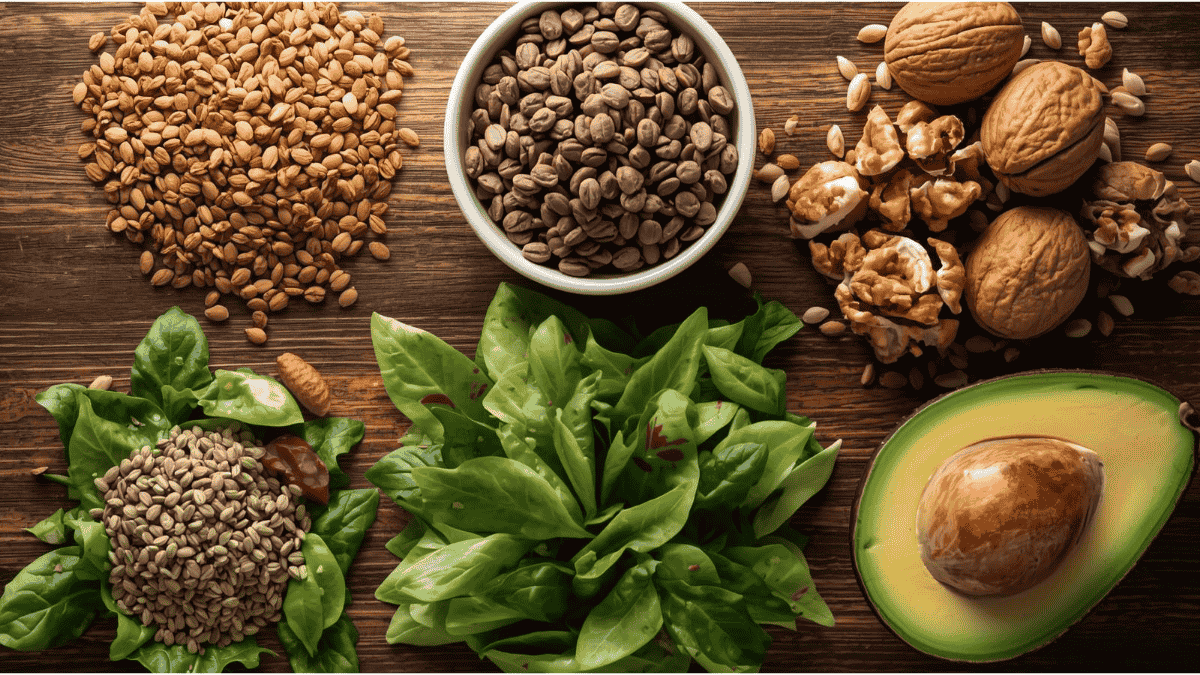
Weight management isn’t only about eating “healthy” foods; it’s also about eating them in the right amounts. Even nutritious foods like nuts, granola, and avocados can contribute to weight gain if eaten in excessive portions.
Portion control helps create a natural balance between energy intake and energy expenditure. By consuming appropriate amounts, you avoid the steady calorie surplus that often leads to weight gain over months or years. Unlike fad diets, portion control is a sustainable habit you can maintain for life.
According to the Harvard School of Public Health, portion size awareness is one of the most effective strategies for maintaining long-term weight stability. It encourages mindful eating and helps avoid the “portion distortion” that has become common in modern diets.
3. Improves Digestion and Reduces Bloating
Eating oversized meals can overwhelm the digestive system, leading to discomfort, sluggishness, and bloating. The stomach and intestines are designed to process food in manageable amounts. Overeating forces them to work harder, often causing indigestion or heartburn.
Practising portion control ensures that your body digests food efficiently. Smaller, balanced meals reduce strain on the stomach, promote smoother digestion, and prevent the heavy feeling that often follows large meals.
Additionally, portion control allows you to space meals more evenly throughout the day, avoiding long gaps that lead to overeating later. This steady pattern supports gut health and reduces gastrointestinal stress.
4. Helps Regulate Blood Sugar Levels
Portion control is especially important for people managing diabetes or insulin resistance. Large meals, particularly those high in carbohydrates, can cause sharp spikes in blood sugar followed by crashes that leave you tired and irritable.
Smaller, measured portions help keep blood glucose steady. For example, instead of eating a huge bowl of pasta, try a smaller serving paired with vegetables and lean protein. The balance slows digestion and prevents sugar spikes.
The American Diabetes Association emphasises portion control as a cornerstone of managing blood sugar. By moderating carbs and spreading them throughout the day, you maintain energy and reduce the risk of long-term complications.
5. Balances Nutrient Intake for Better Health
Portion control is not just about calories — it’s about nutrients. Oversized portions of calorie-dense foods often displace healthier options. For instance, eating a giant steak may leave little room for vegetables, resulting in a lack of fiber, vitamins, and minerals.
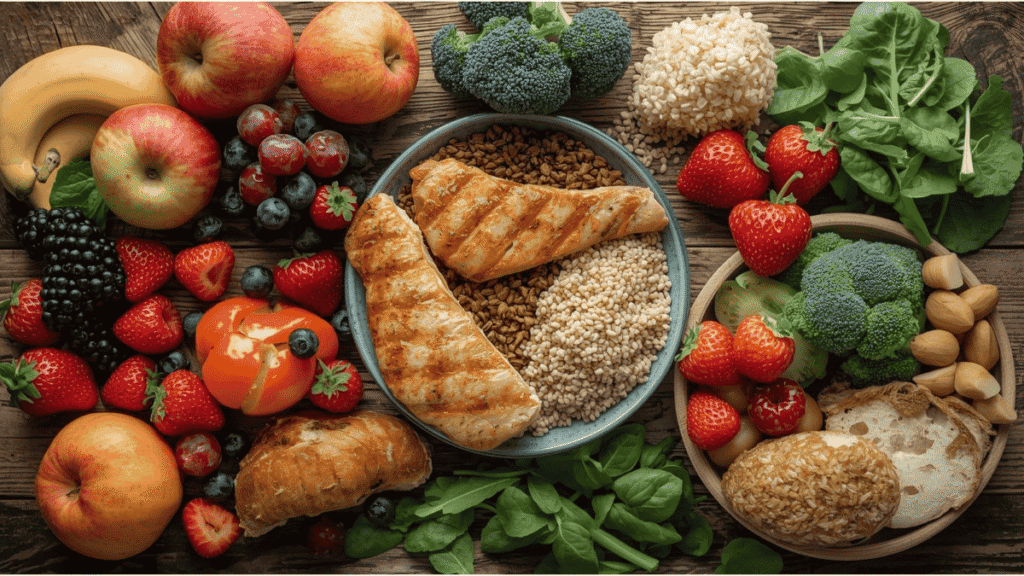
Balanced portions ensure that your meals include the right ratios of protein, carbohydrates, healthy fats, and micronutrients. A practical guideline is the “plate method”: half the plate filled with vegetables, a quarter with lean protein, and a quarter with whole grains.
This approach ensures nutrient variety and prevents deficiencies that can occur when one food group dominates the plate.
6. Reduces Risk of Obesity and Heart Disease
Consistently eating more than your body needs leads to weight gain, which is one of the biggest risk factors for obesity-related conditions, including heart disease. Portion control directly lowers this risk by preventing calorie excess and keeping weight in check.
Additionally, portion control helps manage intake of sodium, saturated fat, and sugar — nutrients that contribute to high blood pressure, high cholesterol, and clogged arteries. By reducing oversized servings of processed foods, you limit these harmful nutrients without eliminating them completely.
Research from the World Health Organisation (WHO) highlights portion control as a critical public health strategy to combat obesity and reduce cardiovascular disease globally.
7. Encourages Mindful Eating Habits
Mindless eating often leads to consuming more than you realise. Portion control encourages mindfulness by making you pause, measure, and consider what you’re putting on your plate.
Mindful eating practices — such as eating slowly, chewing thoroughly, and recognising fullness cues are easier to apply when portions are reasonable. You focus more on flavour and satisfaction rather than simply finishing what’s in front of you.
This shift improves your relationship with food, making eating a conscious, enjoyable activity rather than an automatic habit.
8. Makes Healthy Foods More Satisfying
Healthy foods like fruits, vegetables, and whole grains are naturally lower in calories. When portion sizes are balanced, these foods can shine as satisfying staples. Eating the right portions of these nutrient-dense foods provides fullness and energy without excess calories.
Portion control also prevents overloading on calorie-dense “healthy” foods. For example, nuts and olive oil are excellent for health, but extremely high in calories. A handful of nuts or a tablespoon of olive oil is beneficial; a large bowl or heavy pour can easily sabotage your calorie balance.
9. Simplifies Meal Planning and Portion Tracking
Practicing portion control makes meal planning simpler. When you know what an appropriate portion looks like, you can prepare balanced meals without obsessing over calorie counting.
Using tools like portion-control plates, meal-prep containers, or hand-size measurements (palm for protein, fist for vegetables, thumb for fats) ensures consistency. These visual cues eliminate guesswork, saving time and energy during busy schedules.
Portion awareness also helps when dining out. By recognising oversized restaurant servings, you can choose to share, order smaller portions, or take leftovers home.
10. Builds Sustainable, Lifelong Eating Habits
Perhaps the greatest benefit of portion control is sustainability. Unlike restrictive diets that cut out entire food groups, portion control allows you to enjoy all foods in moderation. This makes it easier to maintain over the long term.
Instead of cycling through diets and regaining lost weight, portion control builds a healthy, balanced approach that adapts to any lifestyle. It’s a tool you can carry throughout life, helping prevent weight gain, support health goals, and improve overall well-being.
As the saying goes, it’s not just what you eat, it’s how much.
Why Portion Control Daily Diet Matters
- Calorie Balance: Overeating, even healthy foods, leads to excess calories and weight gain.
- Digestive Health: Large portions can overwhelm digestion, causing bloating or discomfort.
- Nutrient Distribution: Balanced portions ensure you get proteins, fats, and carbs in the right ratios.
- Disease Prevention: Proper portion control lowers risks of obesity, diabetes, and cardiovascular issues.
- Mindful Eating: Smaller portions encourage eating slowly and enjoying food, which helps control hunger.
Recommended Portion Sizes for Common Foods
Nutrition experts often use simple visual cues:
- Protein (meat, fish, poultry): Palm of your hand (~85g cooked)
- Vegetables: Two fists (~2 cups raw leafy or 1 cup cooked)
- Whole Grains (rice, pasta, oats): One cupped hand (~½ cup cooked)
- Fruit: One fist (~1 medium apple or banana)
- Healthy Fats (oil, nuts, cheese): Thumb size (~1 tbsp or 30g cheese)
These guides make it easier to judge portions without measuring cups or scales.
The Science Behind Portion Control Daily Diet
Portion sizes have steadily increased over the last 30 years, particularly in restaurants and packaged foods. A soft drink that used to be 200ml is now 600ml or more. Research shows that when people are served larger portions, they almost always eat more, often without realising it.
The National Institutes of Health notes that consistent overeating, even by just 100–200 extra calories a day, can lead to significant weight gain over time.
Portion Control and Weight Management
Calorie counting isn’t for everyone, but portion awareness is a practical alternative. By sticking to reasonable portions, you can:
- Create a calorie deficit for weight loss.
- Prevent “portion distortion,” where oversized servings become the norm.
- Support steady energy levels throughout the day.
Tools and Strategies for Portion Control
- Use Smaller Plates: Research shows people eat less when food is served on smaller plates.
- Check Labels: As we learned in A Nutritionist’s Guide to Decoding Food Labels, serving sizes on packages provide a reference point.
- Pre-Portion Snacks: Divide nuts, chips, or trail mix into small bags rather than eating from the package.
- Mindful Eating: Eat slowly, chew thoroughly, and stop when you’re satisfied, not stuffed.
- Plan Balanced Meals: Fill half your plate with vegetables, a quarter with lean protein, and a quarter with whole grains.
Portion Control for Special Diets
- For Diabetes: Portion control helps regulate carbs and blood sugar.
- For Athletes: Larger portions of protein and carbs may be needed for recovery.
- For Kids: Age-appropriate portions encourage healthy growth without overeating.
- For Seniors: Smaller, nutrient-dense portions are easier to digest and meet reduced energy needs.
Portion Control Pitfalls to Avoid
- Eating straight from the bag leads to mindless overeating.
- Restaurant servings: Often double or triple the recommended size. Share dishes or ask for half portions.
- “Healthy” food traps: Nuts, granola, and smoothies are nutritious but high in calories. Stick to small portions.
Research Insights on Portion Control
- A Harvard School of Public Health study found that portion control is one of the most effective long-term weight management strategies.
- The CDC reports that portion sizes in the U.S. have grown so much that the average restaurant meal often exceeds daily calorie recommendations.
- WHO emphasises that portion control, combined with nutrient-dense choices, reduces the global risk of obesity-related diseases.
Practical Tips for Daily Portion Control
- Pre-plan meals to avoid overeating.
- Drink a glass of water before eating to control appetite.
- Include high-fibre foods, which make smaller portions more filling.
- Avoid distractions (TV, phone) during meals, as they lead to overconsumption.
- Store leftovers immediately to prevent “second helpings.”
Conclusion: Small Changes, Big Impact
Portion control is not about deprivation; it’s about balance. By paying attention to serving sizes, you can prevent overeating, support better digestion, and maintain a healthy weight without giving up your favourite foods.
Mastering portion control is one of the simplest yet most effective ways to improve your health. Combine it with nutrient-rich food choices, as we’ll see in the next article on children’s eating habits, and you’ll build a sustainable foundation for lifelong wellness.
30 FAQs on Portion Control
Q1. Why is portion control important?
It prevents overeating, supports weight management, and ensures balanced nutrient intake.
Q2. How can I measure portions without a scale?
Use your hand: palm for protein, fist for fruit, thumb for fats.
Q3. What’s the difference between portion size and serving size?
Portion size is what you eat; serving size is the standard reference listed on food labels.
Q4. Can portion control help me lose weight?
Yes, it reduces excess calorie intake without strict dieting.
Q5. Are restaurant portions too large?
Often yes. Splitting meals or taking half home is a smart strategy.
Q6. Does portion control work for kids?
Yes, it teaches healthy eating habits early and prevents obesity.
Q7. Can I still enjoy desserts with portion control?
Yes, small portions allow you to enjoy treats without overindulging.
Q8. How do I practice portion control at buffets?
Start with smaller plates and avoid piling on food.
Q9. Do smaller plates really help?
Yes, they create the illusion of larger servings and reduce intake.
Q10. What foods require the most portion control?
Calorie-dense foods like nuts, cheese, oils, and desserts.
Q11. Is portion control better than calorie counting?
For many, yes. It’s simpler and sustainable long-term.
Q12. How does portion control affect digestion?
Smaller meals are easier to digest and prevent bloating.
Q13. What role does fiber play in portion control?
Fiber-rich foods make smaller portions more filling.
Q14. Can portion control help with diabetes?
Yes, it prevents blood sugar spikes by moderating carb intake.
Q15. Are smoothies tricky for portion control?
Yes, they can pack calories quickly. Stick to 1 cup of fruit and ½ cup yoghurt or milk.
Q16. How can I control portions when eating out?
Ask for half portions, share dishes, or box leftovers immediately.
Q17. Should snacks be portioned out?
Yes, divide them into small containers instead of eating from the bag.
Q18. Is portion control necessary for healthy foods?
Yes, overeating even healthy foods can lead to excess calories.
Q19. How many meals should I eat daily for portion control?
3 balanced meals and 1–2 healthy snacks are generally effective.
Q20. Can drinking water help with portion control?
Yes, drinking water before meals helps prevent overeating.
Q21. Do cultural portion sizes differ?
Yes, Western countries tend to have larger portions than Asian or Mediterranean diets.
Q22. Are “portion-controlled” packaged foods helpful?
Sometimes, but they may cost more and contain additives.
Q23. Can portion control improve sleep?
Yes, smaller dinners reduce discomfort and aid better sleep.
Q24. What’s the role of protein in portion control?
Protein keeps you full, reducing the urge to overeat.
Q25. Is portion control helpful for seniors?
Yes, it ensures nutrient needs are met without overloading digestion.
Q26. What are common portion control mistakes?
Ignoring serving sizes, eating distracted, or finishing large restaurant meals.
Q27. How can portion control prevent obesity?
It reduces long-term excess calorie intake that leads to weight gain.
Q28. Do meal-prep containers help?
Yes, they pre-divide meals into correct portions.
Q29. Can portion control improve heart health?
Yes, it prevents overeating of sodium, sugar, and unhealthy fats.
Q30. What’s the easiest way to start portion control?
Begin with smaller plates and mindful eating habits.