Table of Contents
Introduction: Your Plate, Your Powerhouse: Lower Cholesterol with Food
In the journey toward a healthier life, few things are as powerful and accessible as the food we choose to eat every day. It’s a fundamental truth that our diet holds immense sway over our well-being, influencing everything from our energy levels to the very health of our heart. This is especially true when it comes to managing cholesterol. In a world of complex medical terminology and overwhelming advice, this report serves as a definitive guide to leveraging the simple, delicious power of food to take control of your cholesterol levels.
It’s a critical point in our discussion of a holistic approach to wellness. We’ve previously explored how foundational elements like a thriving gut microbiome, supported by a diet rich in prebiotics and probiotics, are essential for overall health. That work, which we discussed in detail, lays the groundwork for understanding how a well-supported body is better equipped to manage complex metabolic processes, including cholesterol regulation. Today, we build on that foundation by focusing on the specific foods and dietary patterns that can have a direct and profound impact on your cardiovascular health. We previously also discussed the Top 10 Heart-Healthy Diets for better.
This report will provide an in-depth understanding of what cholesterol is, moving beyond a simple “good vs. bad” label to explore the science behind it. We will challenge common misconceptions, pinpointing the true dietary culprits that impact your blood lipid levels. The core of this report will be a detailed, food-by-food guide that explains not just what to eat, but how and why these foods work on a physiological level to improve your cholesterol profile. From the power of soluble fiber to the protective qualities of healthy fats, we will provide a clear, actionable roadmap for making informed choices. By the end of this report, the path to a heart-healthy future will no longer seem intimidating, but empowering, starting one meal at a time.
The Cholesterol Code: Decoding “Good,” “Bad,” and the Real Drivers of Risk
To truly appreciate the role of diet, it’s essential to first understand cholesterol itself. Far from being a villain, cholesterol is a waxy, fat-like substance that is vital for the body’s normal function. It contributes to the structure of every cell membrane, and the body needs it to produce hormones, vitamin D, and bile acids that aid in digestion. The liver naturally produces all the cholesterol the body needs. Problems arise when there is an excess amount, which can lead to serious health issues.
Cholesterol travels through the bloodstream on proteins known as lipoproteins. There are two primary types of these transporters, and understanding their functions is key to understanding your cardiovascular health.
- LDL (“Bad”) Cholesterol: Low-density lipoprotein, or LDL, is often referred to as “bad” cholesterol because high levels can pose a significant health risk. The primary function of LDL is to carry cholesterol from the liver to the body’s cells. However, when there is too much LDL, this excess can begin to accumulate and form thick, hard deposits on the inner walls of the arteries. This buildup, known as plaque, leads to a condition called atherosclerosis. This process gradually narrows the arteries, restricting blood flow and increasing the risk of serious problems like a heart attack or stroke. Think of LDL as a delivery truck that leaves too many packages behind on the pavement, creating a traffic jam over time.
- HDL (“Good”) Cholesterol: High-density lipoprotein, or HDL, is considered “good” cholesterol because of its protective role. HDL acts like a cleanup crew, absorbing cholesterol from the blood and carrying it back to the liver. Once at the liver, the cholesterol is flushed from the body. Higher levels of HDL cholesterol can therefore lower your risk for heart disease and stroke, as it helps remove excess cholesterol from your system before it can form harmful plaque.
Beyond these two main types, triglycerides also play a crucial role. Triglycerides are a form of fat in your blood that your body uses for energy. A combination of high triglycerides with high LDL or low HDL cholesterol levels can further increase your risk for health problems, particularly heart attacks.
A common misconception is that if a person consumes a food containing cholesterol, their blood cholesterol levels will automatically rise. While this seems logical, the relationship is more complex. The body tightly regulates its own cholesterol production. For many people, consuming high-cholesterol foods has little to no effect on blood cholesterol levels. The real drivers of high cholesterol are the
saturated and trans fats that often accompany cholesterol-rich foods. These unhealthy fats directly stimulate the liver to produce more LDL cholesterol, which is the primary contributor to plaque buildup in the arteries. The most effective dietary strategy, therefore, is not to simply avoid cholesterol but to shift the focus to limiting these harmful fats.
Unmasking the Culprits: The Real Dietary Threats to Heart Health
Many people believe that the most direct way to lower cholesterol is to avoid foods that contain it, such as eggs. This belief, which has been widely held for decades, is based on an outdated understanding of how the body regulates cholesterol. While cholesterol-rich foods from animal products were once considered the primary contributors to heart disease risk, recent evidence points to a different conclusion. Research has not generally supported a direct association between dietary cholesterol intake and an increased risk of cardiovascular disease.
The truth is that foods high in dietary cholesterol often come packaged with the real culprits: saturated and trans fats. A diet high in these unhealthy fats raises LDL cholesterol levels, which in turn increases the risk of heart disease and stroke. The foods once shunned due to their high cholesterol content are better tolerated when they are the exception rather than the rule, and when they are not served alongside high-fat counterparts like bacon and sausage.
The Role of Saturated and Trans Fats
The primary dietary focus for anyone looking to manage their cholesterol should be on reducing their intake of saturated and trans fats. These fats are distinct from healthier unsaturated fats and have a direct, scientifically validated link to elevated LDL cholesterol.
- Saturated Fats: These fats are typically solid at room temperature and are found in many animal products. They are considered “unhealthy” because they increase LDL cholesterol levels more than any other dietary component. Sources to be mindful of include:
- Fatty cuts of meat, meat pies, and sausages
- Butter, lard, and ghee
- Full-fat dairy products like cream and hard cheeses (e.g., cheddar)
- Tropical oils such as coconut oil and palm oil are high in saturated fat and can increase LDL cholesterol.
- Trans Fats: These are a type of unsaturated fat that has been chemically altered through a process called hydrogenation, which makes liquid vegetable oils solid at room temperature. While small amounts occur naturally in some animal products, most trans fats are artificially created to extend the shelf life of processed foods. Trans fats are particularly harmful because they have a double negative effect on cholesterol: they raise LDL cholesterol while simultaneously lowering HDL cholesterol. They are often found in:
- Baked goods like cakes, cookies, crackers, and pies
- Deep-fried foods and some fast food
- Foods that list “partially hydrogenated oil” on the ingredients label
The evidence is clear: the most impactful dietary change you can make is to replace foods high in saturated and trans fats with those rich in healthy fats and other cholesterol-lowering compounds. By focusing on this substitution, you are addressing the root cause of high blood cholesterol and taking a scientifically sound step toward better heart health.
The Cholesterol-Lowering A-List: A Food-by-Food Guide with Mechanisms
A truly effective nutrition plan goes beyond simply knowing what to avoid; it requires understanding what to embrace. Certain foods possess unique properties that can actively work to lower blood cholesterol levels, either by reducing absorption, promoting elimination, or shifting the body’s internal production processes. This section will delve into these powerful food groups, detailing the specific mechanisms by which they can improve your cholesterol profile.
1. The Soluble Fiber Superstars: The “Cholesterol Sponges”
One of the most effective ways to naturally lower cholesterol is by increasing your intake of soluble fiber. This type of fiber dissolves in water, forming a gel-like substance in the stomach that slows down digestion and can reduce the absorption of cholesterol into your bloodstream. As this gel moves through the digestive tract, it binds with cholesterol and bile acids, which are made from cholesterol, and escorts them out of the body. To replace the lost bile acids, the liver must then pull cholesterol from the bloodstream, thereby lowering blood cholesterol levels.
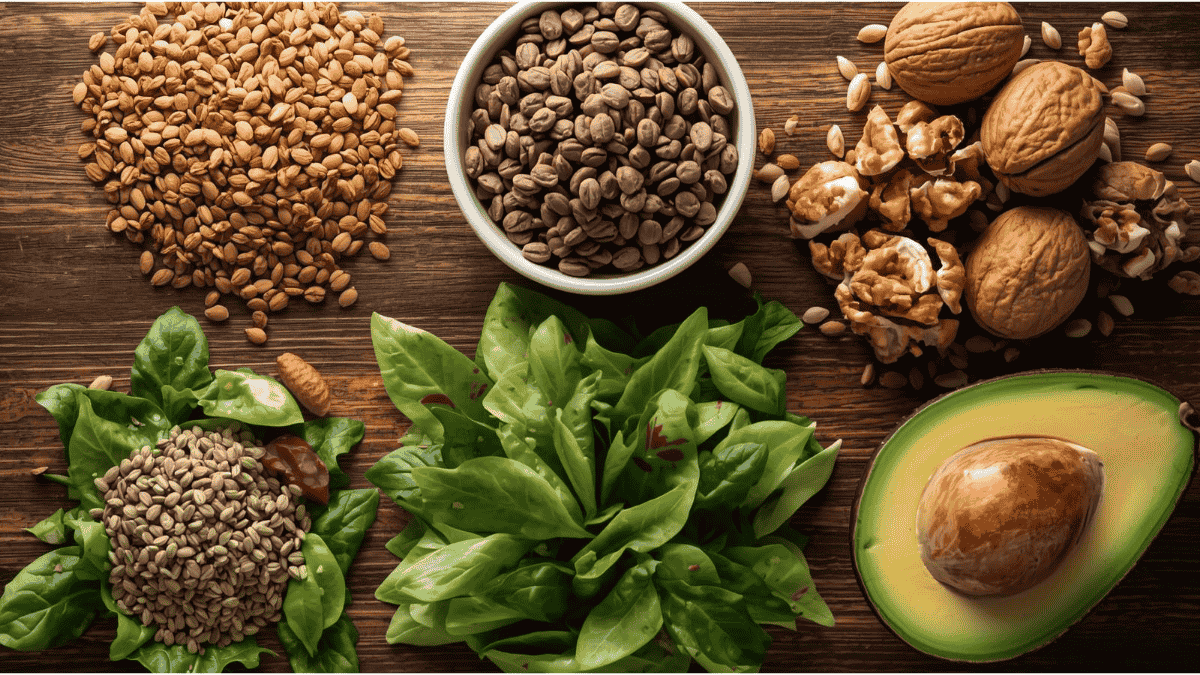
- Oats and Barley: These whole grains are a premier source of beta-glucan, a potent form of soluble fiber with a scientifically validated cholesterol-lowering effect. This specific fiber increases intestinal viscosity, which helps reduce the absorption of bile acid and promotes cholesterol breakdown in the body. A single serving of oat bran or oatmeal can provide 3 to 4 grams of fiber, and simply adding a few tablespoons of oat bran to your favorite cereal can significantly increase your intake.
- Legumes: Beans, peas, and lentils are excellent sources of soluble fiber. They are also rich in plant-based protein, making them a superb alternative to meat in meals. Incorporating them into stews, soups, curries, or even using them as a base for dips like hummus can have a positive impact on cholesterol levels.
- Fruits and Vegetables: Many fruits and vegetables are packed with soluble fiber. Good examples include apples, bananas, avocados, and citrus fruits. Vegetables like carrots and Brussels sprouts also contribute to your daily intake.
2. Harnessing Healthy Fats: The “Cardiovascular Protectors”
Not all fats are created equal. The key to a heart-healthy diet is to replace saturated and trans fats with healthier alternatives: monounsaturated fats (MUFAs) and polyunsaturated fats (PUFAs). Both of these fat types can help reduce LDL (“bad”) cholesterol and improve overall heart health.
- Nuts and Seeds: These are dense sources of unsaturated fats and other beneficial nutrients, including fiber, plant sterols, and polyphenols. Consistent consumption of nuts like almonds, walnuts, and pistachios has been shown to decrease total cholesterol and LDL cholesterol, with some evidence also suggesting an improvement in HDL function. The beneficial effects of nuts are due to a variety of mechanisms, including their fatty acid profile, which enhances the liver’s ability to clear LDL, and their dietary fiber and plant sterol content, which interfere with cholesterol absorption in the intestines. A small handful (about 30 grams) makes for a filling and heart-healthy snack that can be used as a convenient replacement for high-fat alternatives like biscuits or cakes.
- Avocados: This fruit is a rich source of monounsaturated fatty acids and fiber. The fiber in avocados can improve HDL cholesterol levels and the overall quality of LDL cholesterol. Adding two servings of avocado per week to a heart-healthy diet may help lower the risk of heart disease.
- Healthy Oils: Substituting cooking fats like butter and lard with healthier oils is a simple yet effective strategy. Olive oil, canola oil, and sesame oil are excellent choices as they are high in monounsaturated and polyunsaturated fats.
3. An In-Depth Look: Olive Oil vs. Avocado Oil
When it comes to healthy cooking oils, two popular choices often come up for discussion: olive oil and avocado oil. Both are considered excellent sources of heart-healthy monounsaturated fats, which help reduce LDL cholesterol. However, a closer look at their profiles reveals some nuanced differences that can help guide a person’s choice based on their specific needs.
The decision between these two oils often comes down to budget, intended use, and flavour preference. Olive oil, especially extra virgin olive oil, has a more established body of research supporting its health benefits as a key component of the Mediterranean diet. It is known for its distinctive, versatile flavour and contains slightly more vitamin E, potassium, calcium, and iron than avocado oil. Avocado oil, particularly the refined version, is prized for its high smoke point, making it ideal for high-heat cooking like searing or stir-frying without breaking down. It also has a more neutral flavour profile, allowing the other ingredients in a dish to stand out.
The following table provides a quick reference for comparing the two oils:
| Nutrient (1 Tablespoon) | Olive Oil | Avocado Oil | Significance |
| Calories | 119 kcal | 124 kcal | Both are calorically dense, so moderation is key for weight management |
| Total Lipid | 13.4 g | 14 g | Both are pure fat, with similar fat content per serving |
| Saturated Fat | 1.86 g | 1.62 g | Both are very low in saturated fat, adhering to heart-healthy guidelines |
| Monounsaturated Fat | 9.85 g | 9.88 g | Both are rich in heart-healthy MUFAs, which lower LDL cholesterol |
| Polyunsaturated Fat | 1.42 g | 1.89 g | Both contain beneficial PUFAs, which also support heart health |
| Vitamin E | 1.94 mg | 0 mg | Olive oil contains a higher amount of this antioxidant |
| Smoke Point | ~375°F (EVOO) | ~520°F (Refined) | Refined avocado oil is better for high-heat cooking |
Ultimately, whether you choose avocado oil or olive oil, you are making a heart-healthy choice. They both provide beneficial monounsaturated fats and antioxidants. The choice comes down to personal preference for flavour and the specific cooking method being used.
4. The Omega-3 Advantage: Fatty Fish and Plant Sources
Omega-3 fatty acids are a type of polyunsaturated fat that plays a unique and protective role in cardiovascular health. While they do not directly lower LDL cholesterol, they are highly effective at reducing triglycerides, another type of fat in the blood that can be harmful at high levels. Omega-3s also help lower blood pressure and may reduce the risk of developing blood clots.
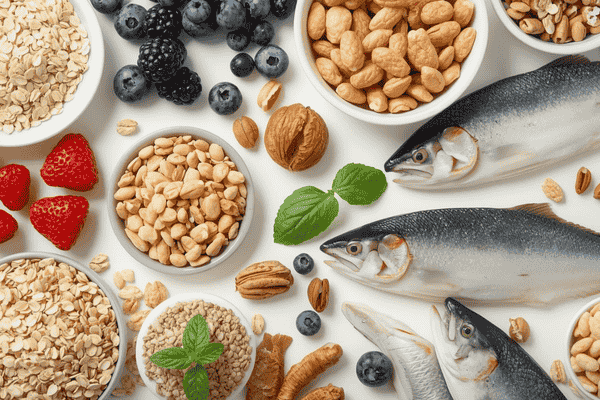
- Fatty Fish: The American Heart Association recommends eating at least two servings of fatty fish per week. The highest levels of omega-3 fatty acids are found in oily fish such as salmon, mackerel, herring, and trout. Choosing to bake or grill fish rather than fry it is an important consideration to avoid adding unhealthy fats to the meal.
- Plant-Based Sources: For those who do not consume fish, omega-3 fatty acids can be found in plant sources, albeit in smaller amounts. Good options include walnuts, flaxseeds, and canola oil.
5. Plant Sterols and Stanols: The “Cholesterol Blockers”
Plant sterols and stanols are natural compounds found in a variety of plant foods that are structurally similar to cholesterol. Because of their similar structure, they can compete with cholesterol for absorption in the intestines, effectively blocking some dietary cholesterol from entering the bloodstream.
While these compounds are naturally present in small amounts in foods like nuts, seeds, legumes, and vegetable oils, their effects are most pronounced when consumed in fortified foods. Many margarines, orange juices, and yoghurts now have added plant sterols or stanols. Consuming 2 grams of sterols a day has been shown to lower LDL cholesterol by 5% to 15%.
6. Amla: The Surprising Superfruit
The Indian superfruit Amla, also known as Indian gooseberry, offers a compelling example of a food with a scientifically validated, multi-faceted approach to cholesterol management. Clinical research has demonstrated that regular consumption of Amla extract can significantly lower total and LDL cholesterol levels while simultaneously raising HDL cholesterol. The mechanisms behind this effect are particularly noteworthy.
First, Amla contains bioactive compounds that suppress the enzyme HMG-CoA reductase, which is responsible for producing cholesterol in the liver. By blocking this enzyme, the liver produces less new cholesterol. Second, Amla’s high content of polyphenols and flavonoids acts as a powerful antioxidant, protecting LDL cholesterol from oxidative damage caused by free radicals. Oxidised LDL is considered more dangerous and leads to faster plaque development in arteries. Finally, Amla consumption can increase the activity of enzymes that transform cholesterol into bile acids, which the body then eliminates through digestion, further reducing blood cholesterol levels.
A 12-week study involving patients with dyslipidemia found that those who received 500 mg of Amla extract twice daily experienced significant decreases in total cholesterol, LDL cholesterol, and triglycerides, while also seeing an increase in HDL cholesterol. The cholesterol-lowering effect was even found to be comparable to that of the statin medication simvastatin, but without any adverse side effects. The data from this clinical trial highlights the potent and comprehensive benefits that can be unlocked through a food-first approach.
A Holistic Strategy: Beyond the Plate for Better Numbers
While diet is a cornerstone of cholesterol management, it is most effective when integrated into a broader, holistic strategy that addresses other key lifestyle factors. Cholesterol levels are influenced by a combination of genetics, age, and lifestyle choices, and a comprehensive approach is necessary to achieve the best results.
- Exercise: Regular physical activity is a powerful tool for improving cholesterol levels. Moderate-intensity physical activity can help raise HDL (“good”) cholesterol, while vigorous aerobic activity can further aid in this process. Both aerobic exercises, such as running, swimming, or cycling, and resistance training have been shown to have a positive impact on cholesterol levels and triglycerides. The American Heart Association recommends aiming for at least 150 minutes of moderate-intensity aerobic exercise or 75 minutes of vigorous aerobic activity per week, in addition to two sessions of resistance training.
- Weight Management: Carrying even a few extra pounds can contribute to high cholesterol levels by raising LDL and lowering HDL. Several studies have shown that a modest weight loss of just 5-10% of body weight can significantly improve cholesterol levels and decrease the risk of heart disease. Small changes, such as switching from sugary beverages to water or incorporating more standing activities into your routine, can add up over time to aid in weight loss.
- Proven Diets as Frameworks: Instead of focusing on single foods, adopting a proven dietary pattern can provide a comprehensive framework for heart health. Two of the most well-researched and recommended eating patterns are the Mediterranean Diet and the DASH Diet. The effectiveness of these diets lies in their cumulative effect: they are naturally low in saturated fats and high in the fiber, healthy fats, and antioxidants that are proven to lower cholesterol.
- The Mediterranean Diet: This eating style, based on the traditional diet of people in countries like Italy and Spain, is known for its emphasis on plant-based foods, healthy fats (especially olive oil), and fish, with very limited red meat, sweets, and butter. This pattern is effective at helping to keep cholesterol levels healthy and lowering the risk for heart disease, stroke, and other health problems.
- The DASH Diet: The Dietary Approaches to Stop Hypertension (DASH) diet is primarily known for its ability to lower blood pressure by limiting sodium. However, its composition—rich in fruits, vegetables, whole grains, and low-fat dairy—also makes it highly effective at lowering total cholesterol and LDL cholesterol. The DASH diet focuses on increasing the intake of potassium, calcium, and magnesium, which are found in many of its recommended foods and which can further support cardiovascular health.
Putting It All Together: Your Practical Action Plan
Navigating a new dietary landscape can feel overwhelming. The key is to think in terms of smart substitutions rather than strict prohibitions. By making simple, intentional swaps, you can dramatically improve your cholesterol profile without sacrificing flavour or satisfaction. This section provides actionable advice to help you apply the principles discussed throughout this report to your daily life.
Making Smart Swaps
Instead of cutting out an entire food group, consider replacing less-healthy options with heart-healthy alternatives. This approach makes dietary changes more sustainable and enjoyable. The following table provides a summary of common swaps that can help you lower your cholesterol levels.
| Foods to Embrace | Foods to Limit | Why It Matters |
| Oily fish (salmon, mackerel, herring) | Fatty cuts of meat, sausages, processed meats | Oily fish is rich in heart-protective omega-3 fatty acids, while fatty and processed meats are high in saturated fat |
| Nuts and seeds (almonds, walnuts, flaxseed) | Cakes, biscuits, processed snacks | Nuts and seeds provide healthy unsaturated fats and fiber, whereas many baked goods contain trans fats and saturated fats |
| Olive oil, canola oil, avocado oil | Butter, lard, ghee, coconut oil | Healthy oils are high in unsaturated fats that lower LDL, while these solid fats are high in saturated fats that raise it |
| Legumes (beans, lentils, peas) | Processed meat or high-fat protein sources | Legumes are an excellent source of soluble fiber and plant-based protein, which helps to lower cholesterol and serves as a healthy meat alternative |
| Whole grains (oats, brown rice, whole-wheat bread) | Refined grains (white bread, pasta) | Whole grains are rich in soluble fiber, which helps reduce cholesterol absorption, a benefit lost in the refining process |
| Fruits and vegetables | Sugary drinks and sweets | Fruits and vegetables are full of fiber, vitamins, and antioxidants, while excess sugar can increase triglycerides |
Your Nutrition Checklist
To help make these changes a routine, consider this simple checklist:
- Start your day with soluble fiber. A bowl of oatmeal or a smoothie with a handful of oats can set the stage for a heart-healthy day.
- Make half your plate plants. At every meal, aim to fill a large portion with vegetables, fruits, and legumes.
- Choose healthy fats. Opt for nuts and seeds for snacks and use olive, canola, or avocado oil for cooking.
- Read food labels. To make these substitutions effectively, it is essential to be a discerning consumer. Understanding how to read food labels is the next crucial step in your nutrition journey, as it will help you identify hidden sources of saturated and trans fats. Our next report, “, will provide a detailed guide on this topic.
Conclusion: A Heart-Healthy Future, One Meal at a Time
The journey to lower cholesterol is not about restriction, but about empowerment. It is about understanding that the food choices you make every day are a powerful force for change. By replacing harmful saturated and trans fats with a diet rich in soluble fiber and healthy, unsaturated fats, you are not just managing a number; you are actively protecting your heart and reducing your risk for serious cardiovascular disease.
The evidence is clear: from the cholesterol-binding power of oats and beans to the heart-protective benefits of nuts, seeds, and healthy oils, nature has provided a full pantry of tools for wellness. When combined with regular physical activity and a focus on overall dietary patterns like the Mediterranean or DASH diets, these changes can lead to lasting, positive health outcomes. Ultimately, a heart-healthy future is within your reach, starting with the next meal you prepare.
Frequently Asked Questions (FAQs)
What is cholesterol?
Cholesterol is a waxy, fat-like substance that is naturally found in every cell of your body. It is essential for building cells and producing hormones, vitamin D, and other vital substances. Your liver makes all the cholesterol you need, but additional cholesterol can come from animal-based foods.
What’s the difference between LDL and HDL cholesterol?
There are two main types of cholesterol. LDL (low-density lipoprotein) is often called “bad” cholesterol because high levels can cause plaque to build up in your arteries, increasing your risk of heart disease and stroke. HDL (high-density lipoprotein) is considered “good” cholesterol because it absorbs cholesterol from the blood and carries it back to the liver to be flushed from the body, which can lower your risk of heart disease.
Are dietary cholesterol and blood cholesterol the same thing?
No, they are not. Dietary cholesterol is found in food, while blood cholesterol is a waxy substance that your body produces and circulates in your blood. For most people, consuming dietary cholesterol has little effect on blood cholesterol levels because the body tightly regulates its own production.
How much cholesterol is too much?
The general recommendation is to have your total cholesterol below 200 mg/dL. An LDL cholesterol level below 100 mg/dL is considered optimal. However, your specific target levels will be determined by your doctor based on your overall risk factors, such as age, smoking status, and blood pressure.
What is the link between high cholesterol and heart disease?
When you have too much LDL cholesterol in your blood, it can combine with other substances to form thick, hard plaque on the inside of your artery walls. This condition, known as atherosclerosis, narrows the arteries and makes them less flexible, which can lead to a blood clot, a heart attack, or a stroke.
What foods are high in saturated fat?
Foods high in saturated fat are primarily from animal sources and include fatty cuts of meat, meat products like sausages and pies, butter, ghee, and hard cheeses. Some plant-based foods, such as coconut oil and palm oil, are also high in saturated fat.
What are trans fats, and why are they harmful?
Trans fats are unhealthy fats created through a process called hydrogenation that makes liquid vegetable oil solid. They are particularly harmful because they not only raise LDL (“bad”) cholesterol but also lower HDL (“good”) cholesterol. They are found in many commercially baked goods, deep-fried foods, and products with “partially hydrogenated oils” on the ingredient list.
Does eating eggs raise my cholesterol?
For most healthy people, eating eggs does not significantly raise blood cholesterol levels. The effect of eggs has been complicated by the fact that they are often eaten with high-fat foods like bacon and sausage. The American Heart Association advises that healthy individuals can consume up to one whole egg a day.
How does soluble fiber help lower cholesterol?
Soluble fiber dissolves in water to form a gel in the digestive tract. This gel binds to cholesterol and bile acids, preventing their absorption and carrying them out of the body. The liver then has to pull cholesterol from the bloodstream to produce more bile, which lowers blood cholesterol levels.
Which foods are good sources of soluble fiber?
Good sources of soluble fiber include oats, barley, legumes (beans, peas, lentils), and certain fruits and vegetables like apples, bananas, and carrots.
Do oats really lower cholesterol?
Yes, they do. Oats contain a specific type of soluble fiber called beta-glucan, which has been shown to lower blood cholesterol levels.
Are nuts and seeds good for lowering cholesterol?
Yes, nuts and seeds are excellent for lowering cholesterol. They are a good source of unsaturated fats and fiber, which help reduce LDL cholesterol.
How do nuts and seeds lower cholesterol?
Nuts and seeds have a high content of healthy unsaturated fats (MUFAs and PUFAs) that improve blood lipid profiles. Their dietary fiber and plant sterol content also interfere with cholesterol absorption in the intestines, contributing to their beneficial effects.
What are plant sterols and how do they work?
Plant sterols are compounds found in plants that are chemically similar to cholesterol. They work by interfering with the absorption of cholesterol in the intestines, thereby blocking it from entering the bloodstream. They are most effective when consumed in foods fortified with them.
What are the benefits of Omega-3 fatty acids for heart health?
Omega-3 fatty acids are a type of healthy fat that can lower triglyceride levels and blood pressure. While they do not directly impact LDL cholesterol, they have other protective effects, such as reducing the risk of developing blood clots.
Is olive oil or avocado oil better for cholesterol?
Both olive oil and avocado oil are excellent choices for heart health. They are both rich in beneficial monounsaturated fats and antioxidants. Olive oil may be slightly more nutritious, while refined avocado oil has a higher smoke point, making it better for high-heat cooking.
What is the Mediterranean diet, and how does it help?
The Mediterranean diet is a style of eating that emphasises plant-based foods, healthy fats (especially olive oil), and seafood, while limiting red meat and sweets. This pattern naturally helps to lower cholesterol and triglycerides, reducing the risk of heart disease.
What is the DASH diet, and does it lower cholesterol?
The DASH (Dietary Approaches to Stop Hypertension) diet is a plan focused on lowering blood pressure. Its emphasis on fruits, vegetables, whole grains, and low-fat dairy, and its limitation of saturated fats, also makes it effective at lowering LDL and total cholesterol.
Can exercise alone lower cholesterol?
Exercise is a powerful component of cholesterol management, but it is most effective when combined with a healthy diet. It can help raise HDL (“good”) cholesterol and lower LDL cholesterol and triglycerides.
What kind of exercise is best for lowering cholesterol?
Both aerobic exercise (like brisk walking, cycling, or swimming) and resistance training can help improve cholesterol levels. The American Heart Association recommends at least 150 minutes of moderate-intensity aerobic exercise per week, plus two sessions of resistance workouts.
Does losing weight lower cholesterol?
Yes. Carrying extra weight can raise your LDL cholesterol and lower your HDL cholesterol. Losing even a modest amount of weight (5-10%) can significantly improve cholesterol levels and decrease the risk of heart disease.
What role does alcohol play in cholesterol levels?
Excessive alcohol consumption can raise cholesterol and triglyceride levels. The recommendation is to limit intake to no more than one drink per day for women and two for men.
Do statin drugs lower cholesterol?
Yes, statins are a class of medications that are very effective at lowering LDL cholesterol by blocking the production of cholesterol in the liver. They are often prescribed by healthcare professionals in combination with lifestyle changes for those with high cholesterol.
Are there any natural supplements that lower cholesterol?
Some natural supplements have shown some potential to lower cholesterol, including plant stanols and sterols, fish oil, and flaxseed. It is important to consult a doctor before starting any supplements, as they can have side effects and interact with medications.
Is it true that cholesterol medication can be as effective as lifestyle changes?
Research has shown that replacing saturated fat with polyunsaturated vegetable oils can reduce cardiovascular disease by about 30%, which is roughly the same degree of protection conferred by statin drugs. This highlights the significant and comparable impact of a dietary-first approach.
What is Amla, and how does it affect cholesterol?
Amla, or Indian gooseberry, is a fruit that has been shown to lower cholesterol. It works by suppressing the enzyme that produces cholesterol in the liver and by preventing LDL cholesterol from becoming oxidised, which makes it less dangerous.
Should I eat less fatty foods to lower cholesterol?
Yes, it is important to cut down on fatty foods, particularly those containing saturated fat, to reduce your cholesterol. However, it is beneficial to replace them with foods that contain healthier unsaturated fats.
What are some heart-healthy cooking methods?
Choosing to bake, broil, roast, or steam your food instead of frying it can help reduce your intake of unhealthy fats. This is particularly important for meats, poultry, and fish.
How often should I have my cholesterol checked?
For healthy adults, cholesterol should be checked every five years. Men between the ages of 45 and 65, and women between 55 and 65, should have it checked every one to two years. For children, the first test should be between the ages of 9 and 11.
Is coconut oil bad for cholesterol?
Yes. Although it is a plant-based oil, coconut oil is very high in saturated fat and can significantly increase LDL cholesterol levels. It should not be viewed as a healthy oil for cardiovascular disease risk reduction.
What are some other factors that can affect cholesterol levels?
In addition to diet, other factors that can affect cholesterol levels include a lack of physical activity, smoking, age, genetics, certain medications, and medical conditions such as diabetes and chronic kidney disease.
Why is it important to check food labels for fats?
Checking food labels is crucial because many foods marked as “low cholesterol” can still be high in unhealthy saturated fats. Looking at the nutrition label for saturated fat and the ingredients list for “partially hydrogenated oils” can help you make a healthier choice.
Can diet help with high triglycerides?
Yes. A heart-healthy diet, particularly one that limits sugar and is rich in omega-3 fatty acids from sources like fatty fish, can significantly help to lower high triglyceride levels.
Does whey protein lower cholesterol?
Studies have shown that whey protein, found in dairy products, may help lower both total and LDL cholesterol levels. Whey protein powders can be found in health food stores and some grocery stores.
What are the best foods to snack on for heart health?
Healthy snack options include plain, unsalted nuts, whole fruits, raw vegetables, and whole-grain crackers. These snacks are rich in fiber and healthy fats.
Are there any foods that can increase cholesterol?
Yes. In addition to foods high in saturated and trans fats, which indirectly increase cholesterol, unfiltered coffee can cause a moderate to large increase in LDL cholesterol.
What is the recommended daily intake of saturated fat?
The American Heart Association recommends that if you need to lower your cholesterol, you should reduce your saturated fat intake to less than 6% of your total daily calories. For a 2,000-calorie diet, this is approximately 11 to 13 grams of saturated fat.
What are the signs of high cholesterol?
High cholesterol itself usually has no symptoms. This is why it is often called a “silent condition”. The only way to know your cholesterol levels is to have them tested by a healthcare professional. The first sign of high cholesterol is often a serious health event like a heart attack or stroke.
Is it safe to eat shellfish if you have high cholesterol?
Shellfish, such as shrimp and lobster, are high in dietary cholesterol but are relatively healthy when not fried. They are generally considered to be better tolerated as a food source when they are the exception and not the rule.
How do I start a heart-healthy eating pattern?
Begin by making small, consistent changes. Focus on eating a wide variety of fresh, unprocessed, plant-based foods, including plenty of vegetables, fruits, whole grains, nuts, and legumes. Limit your intake of processed foods, takeaway, and foods high in saturated and trans fats.