Antioxidants are often called the body’s natural defence system. These compounds play a critical role in protecting us from damage caused by unstable molecules called free radicals. Left unchecked, free radicals can lead to oxidative stress, a process linked to ageing and many chronic diseases.
In this article, we’ll explore how antioxidant work, the different types found in food, and their proven role in preventing illnesses. You’ll also find practical tips on how to include more antioxidants in your diet for long-term health.
And in case you missed it, we recently covered 21 Best Foods for Healthy Skin and Hair, where antioxidant also showed their value for beauty and wellness. Today, we take a deeper dive into how they protect you from much more serious conditions.
What Are antioxidants?
Antioxidant are substances that neutralise free radicals before they can damage cells. They act as a balancing force in the body, reducing the harmful effects of oxidative stress.
Free radicals are produced naturally during processes like breathing and digestion, but environmental factors such as pollution, smoking, alcohol, and processed foods increase their numbers. That’s why antioxidants are crucial for disease prevention National Center for Complementary and Integrative Health, 2023.
Types of Antioxidant
Not all antioxidants are the same. They come in different forms, each offering unique benefits:
- Vitamin C: Strengthens the immune system and protects against infections.
- Vitamin E: Shields cell membranes from oxidative stress.
- Beta-Carotene and Vitamin A: Support eye health and immunity.
- Selenium: Works with enzymes to reduce oxidative stress.
- Flavonoids and Polyphenols: Found in fruits, vegetables, tea, and wine; linked to heart health Harvard T.H. Chan School of Public Health.
- Lycopene: Present in tomatoes and known for its cancer prevention properties.
How Antioxidants Fight Disease
Antioxidants don’t just slow down aging. They play an important role in reducing the risk of chronic illnesses. Let’s look at some examples supported by research.
1. Heart Disease Prevention
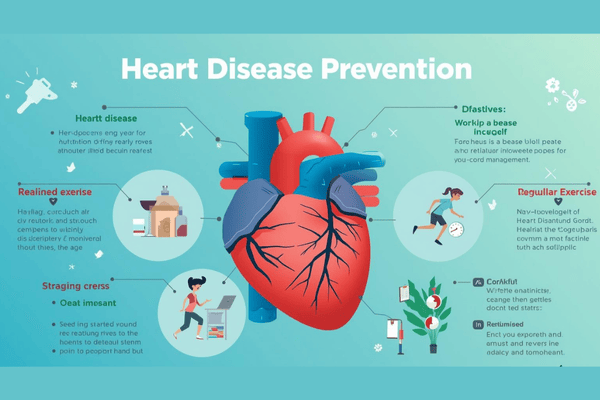
Oxidative stress is a major factor in atherosclerosis, the buildup of plaque in arteries. Antioxidants like vitamin E and flavonoids help keep blood vessels flexible, lower bad cholesterol (LDL) oxidation, and improve circulation.
A study published in Circulation Research (2017) highlighted that flavonoid-rich foods reduce cardiovascular risk.
2. Cancer Protection
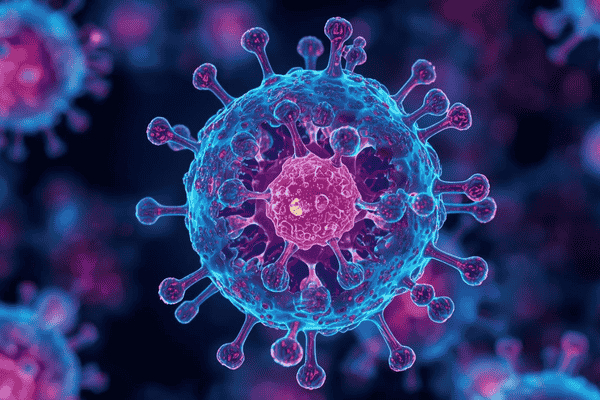
Studies suggest that diets rich in antioxidants reduce DNA damage, lowering the risk of cancer. Lycopene, found in tomatoes, is associated with reduced prostate cancer risk, while green tea catechins help slow the spread of cancer cells (Journal of Clinical Oncology, 2019).
3. Strengthening Immunity
Vitamin C is essential for immune function. It helps white blood cells perform better and enhances the body’s defence against infections. Selenium also supports immunity by promoting the production of protective enzymes (Nutrients Journal, 2020).
4. Brain Health and Memory

Oxidative stress contributes to cognitive decline and diseases like Alzheimer’s. Antioxidants such as polyphenols, vitamin E, and flavonoids protect neurons and improve memory retention. A 2018 study in Frontiers in Ageing Neuroscience showed that diets high in antioxidants reduce cognitive decline.
5. Skin Protection
Antioxidants shield the skin from UV damage, pollution, and premature ageing. This connects back to our previous discussion in 21 Best Top Foods for Healthy Skin and Hair, where vitamin C and E played vital roles.
6. Eye Health
Lutein and zeaxanthin protect against macular degeneration and cataracts, two leading causes of vision loss (American Academy of Ophthalmology).
7. Diabetes Management
Antioxidants reduce oxidative stress that worsens insulin resistance and complications like neuropathy. Including antioxidant-rich foods may help manage blood sugar levels naturally (Diabetes Care Journal, 2021).
8. Liver Protection
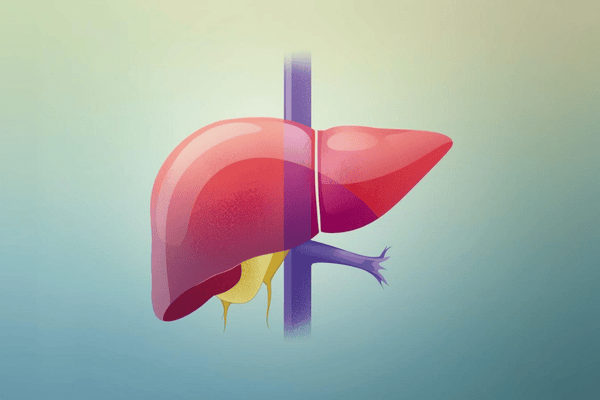
The liver processes toxins, and antioxidants like glutathione support its detoxification role (Journal of Hepatology, 2018).
9. Anti-Inflammatory Benefits
Chronic inflammation is tied to diseases from arthritis to cancer. Antioxidants in turmeric (curcumin) and berries counteract inflammation (Phytotherapy Research, 2020).
10. Respiratory Health
Vitamin C and flavonoids protect lung tissues from oxidative damage, particularly beneficial for smokers or people exposed to pollution (European Respiratory Journal, 2019).
11. Anti-Ageing Effects

By slowing cellular damage, antioxidants help maintain youthful energy, skin elasticity, and cognitive function.
12. Longevity and Overall Wellness
A diet high in natural antioxidants supports long-term health, reducing the likelihood of developing multiple chronic illnesses.
Best Sources of Antioxidants
You don’t need supplements to get antioxidants. Nature provides them abundantly in foods:
- Fruits: Berries, grapes, citrus, pomegranates, apples
- Vegetables: Spinach, kale, carrots, tomatoes, broccoli
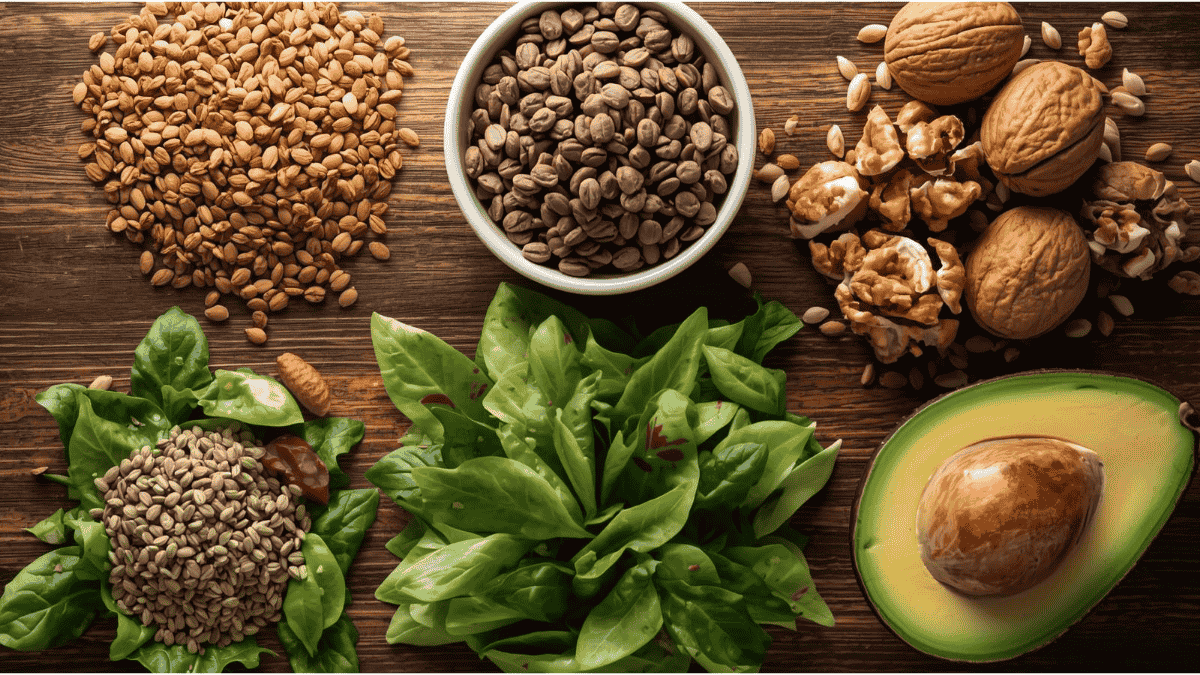
- Nuts & Seeds: Almonds, walnuts, sunflower seeds
- Beverages: Green tea, black tea, red wine (in moderation)
- Herbs & Spices: Turmeric, cinnamon, oregano, ginger
Antioxidants in Daily Diet: Practical Tips
- Eat the rainbow: Include a variety of colourful fruits and vegetables.
- Replace processed snacks with nuts and seeds.
- Drink green tea or herbal teas instead of sugary drinks.
- Use herbs and spices to enhance flavour and nutrition.
- Avoid overcooking, which destroys antioxidant compounds.
Should You Take Antioxidant Supplements?
While supplements are popular, research shows that whole foods provide better results. Supplements may sometimes be beneficial, but overuse can be harmful. For example, too much vitamin E may increase bleeding risk. Always consult a healthcare professional before relying on pills.
The Future of Antioxidant Research
Scientists are still exploring how antioxidants interact with genes and diseases. Personalised nutrition may one day allow us to tailor antioxidant intake for individual health needs.
Conclusion
Antioxidant are not just trendy health buzzwords. They are essential for protecting the body against free radical damage, reducing the risk of heart disease, cancer, diabetes, and neurodegenerative disorders.
By adding more antioxidant-rich foods to your daily meals, you can strengthen immunity, improve skin health, and promote longevity.
And don’t miss our next post, 12 powerful ways Probiotics boost Gut Health, where we’ll explore how gut-friendly bacteria work alongside antioxidant to support your overall well-being.
Frequently Asked Questions (FAQs)
1. What are antioxidant, and why are they important?
Antioxidants are compounds that neutralise free radicals, preventing oxidative stress that can damage cells and contribute to chronic diseases like cancer, heart disease, and diabetes.
2. How do antioxidant protect the body from disease?
They reduce oxidative stress, lower inflammation, and prevent DNA damage, which together decrease the risk of serious conditions such as cardiovascular disease and cancer.
3. What foods are highest in antioxidants?
Berries (blueberries, strawberries, blackberries), dark chocolate, nuts, green leafy vegetables, and green tea are among the richest sources.
4. Can antioxidants prevent cancer?
Research shows diets rich in antioxidants like vitamin C, lycopene, and polyphenols may lower cancer risk by protecting DNA from mutations.
5. Are antioxidant supplements effective?
While some supplements can help, studies show whole foods are more effective because they provide a mix of antioxidants plus fiber and other nutrients.
6. How do antioxidants benefit heart health?
They prevent LDL cholesterol from oxidising, reduce plaque buildup in arteries, and improve blood vessel flexibility, lowering heart disease risk.
7. Do antioxidants slow ageing?
Yes, antioxidants protect skin, brain, and body tissues from oxidative damage, which helps reduce visible signs of ageing and cognitive decline.
8. Which vitamins act as antioxidants?
Vitamin C, vitamin E, vitamin A (beta-carotene), and minerals like selenium act as powerful antioxidant.
9. Can antioxidant boost immunity?
Yes, vitamin C, selenium, and flavonoids strengthen immune cells and improve the body’s response to infections.
10. What drinks are high in antioxidants?
Green tea, black tea, pomegranate juice, coffee, and red wine (in moderation) are rich in antioxidant.
11. Can antioxidant improve brain health?
Yes, antioxidants like flavonoids and vitamin E protect neurons, improve memory, and reduce the risk of Alzheimer’s and dementia.
12. How do antioxidants protect skin?
They reduce UV damage, prevent wrinkles, and improve skin elasticity. Vitamin C and E are especially beneficial for skin protection.
13. Do cooking methods affect antioxidant in food?
Yes. Steaming and light cooking preserve antioxidant better than deep frying or overcooking.
14. What is oxidative stress?
It’s an imbalance between free radicals and antioxidant in the body, leading to cellular damage and disease.
15. Are natural antioxidant better than synthetic ones?
Yes, natural antioxidant from fruits, vegetables, nuts, and seeds are more effective and safer than synthetic alternatives.
16. Can antioxidants help manage diabetes?
Yes. Antioxidant reduce oxidative stress, which plays a role in insulin resistance and diabetes complications.
17. How much antioxidant-rich food should I eat daily?
Experts recommend at least 5–7 servings of fruits and vegetables daily for sufficient antioxidant.
18. What role do flavonoids play in health?
Flavonoids are plant-based antioxidants that reduce inflammation, improve heart health, and protect brain function.
19. Is coffee a good source of antioxidants?
Yes, coffee contains polyphenols and chlorogenic acid, making it one of the top antioxidant sources worldwide.
20. Can antioxidants improve lung health?
Yes, vitamin C and flavonoids protect lung tissue from oxidative stress caused by smoking or pollution.
21. Do antioxidant help with eye health?
Yes, lutein and zeaxanthin protect against cataracts and age-related macular degeneration.
22. What fruits are highest in antioxidants?
Blueberries, pomegranates, cranberries, and raspberries are some of the richest antioxidant fruits.
23. Are antioxidant linked to weight loss?
Indirectly, yes. They improve metabolism, reduce inflammation, and support overall health, which helps in weight management.
24. Can antioxidant prevent infections?
They strengthen immune defence, which reduces susceptibility to bacterial and viral infections.
25. What are polyphenols?
Polyphenols are plant compounds with strong antioxidant properties, found in tea, grapes, and dark chocolate.
26. Can antioxidant reduce stress and anxiety?
Yes, antioxidants like flavonoids and omega-3-rich foods support brain chemistry, lowering stress and anxiety levels.
27. Are antioxidant supplements safe during pregnancy?
Most antioxidants from natural foods are safe. However, high doses of supplements should be avoided unless prescribed by a doctor.
28. Do antioxidant protect against liver disease?
Yes, antioxidants like glutathione and vitamin E protect the liver from toxin-related damage.
29. How do antioxidant affect inflammation?
They neutralise free radicals that trigger inflammation, helping reduce arthritis, asthma, and autoimmune conditions.
30. Can antioxidant increase lifespan?
Studies suggest diets high in antioxidant promote longevity by reducing chronic disease risk and improving overall wellness.