Memory
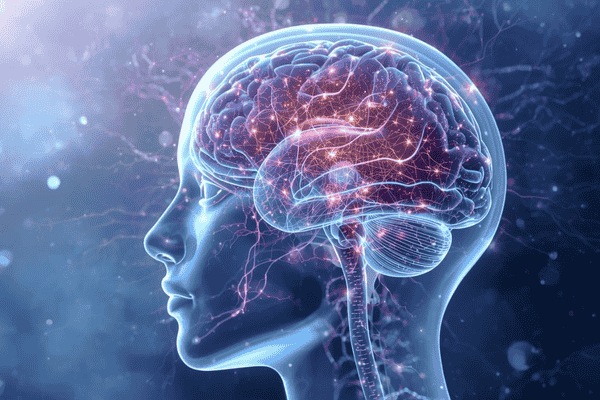
The brain is one of the most energy-demanding organs in the body, using nearly 20% of our daily calorie intake. What we eat directly influences how well our brain performs in terms of focus, memory, concentration, and mood. From students preparing for exams to professionals aiming for productivity and seniors working to prevent cognitive decline, nutrition plays a critical role in brain health.
In our previous article, we explored The Truth About Carbs: Are They Really Bad?, where we learned that not all carbs harm health—in fact, some carbs fuel the brain. Today, we’ll go deeper into specific foods that improve brain function and memory. In the upcoming article, we’ll discuss Iron-Rich Foods to Fight Fatigue and Anemia, another key nutrient-driven topic.
Why Nutrition Matters for Brain Health
The brain requires a steady supply of nutrients to function at its best. Deficiencies in key vitamins, minerals, or macronutrients can impair concentration, slow reaction times, and increase the risk of memory-related conditions such as dementia or Alzheimer’s disease. On the other hand, eating the right foods can enhance mental clarity, improve memory retention, and even protect brain cells from aging.
10 Best Foods to Improve Brain Function and Memory
1. Fatty Fish (Salmon, Mackerel, Sardines)
Fatty fish are rich in omega-3 fatty acids, which are essential for building brain cell membranes and supporting communication between brain cells. Regular intake of omega-3s is linked to reduced risk of Alzheimer’s disease and improved memory performance.
2. Blueberries
Packed with antioxidants, particularly flavonoids, blueberries help reduce oxidative stress and inflammation in the brain. They improve communication between brain cells, supporting learning and memory.
3. Walnuts
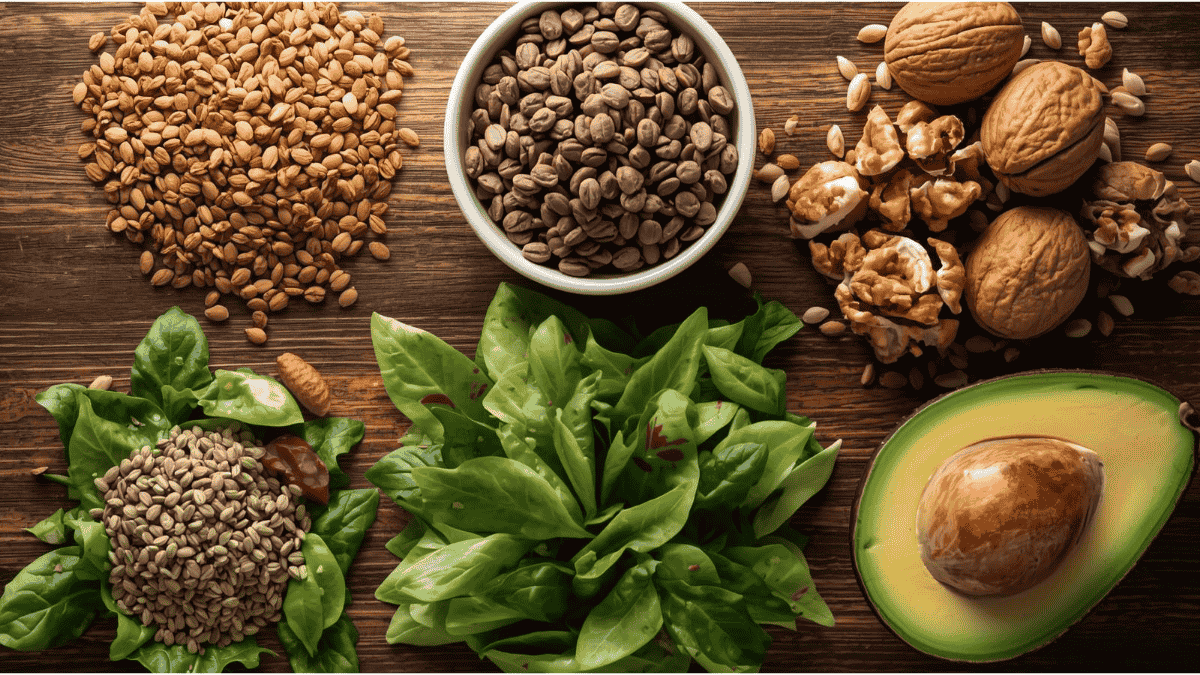
Walnuts contain healthy fats, antioxidants, and vitamin E, which protect brain cells from damage. They are also linked to improved cognitive test scores and better memory.
4. Dark Chocolate
Dark chocolate (with at least 70% cocoa) contains flavonoids, caffeine, and antioxidants that enhance brain plasticity, boost memory, and improve mood.
5. Eggs
Eggs are an excellent source of choline, which the body uses to make acetylcholine, a neurotransmitter vital for memory and learning.
6. Leafy Green Vegetables
Spinach, kale, and broccoli provide vitamin K, lutein, and beta-carotene, which support cognitive function and slow cognitive decline.
7. Coffee and Green Tea
Caffeine improves alertness, focus, and reaction times, while antioxidants in coffee and tea protect the brain from long-term damage.
8. Pumpkin Seeds
Pumpkin seeds are rich in magnesium, zinc, copper, and iron—minerals that play a role in nerve signalling and brain health.
9. Oranges
Vitamin C is a powerful antioxidant that protects the brain from oxidative stress. One medium orange provides 100% of the recommended daily intake.
10. Whole Grains
Brown rice, oats, and quinoa release glucose steadily into the bloodstream, providing consistent energy to the brain for focus and memory.
Nutrients That Boost Brain Power
- Omega-3 Fatty Acids: For memory and mental sharpness
- B Vitamins (B6, B12, Folate): For energy production and reduced brain shrinkage in aging
- Antioxidants: To fight oxidative stress
- Magnesium: For nerve function and learning
- Iron: For oxygen transport to the brain
Foods That Harm Brain Function
Just as some foods strengthen brain health, others can harm it if consumed excessively:
- Processed foods are high in sugar
- Trans fats (fried and packaged snacks)
- Excess alcohol
- Refined carbs with a high glycemic index
Practical Tips for Eating Brain-Boosting Foods
- Start your day with oatmeal topped with blueberries and walnuts.
- Swap sugary snacks for dark chocolate or pumpkin seeds.
- Add leafy greens to salads, smoothies, or soups.
- Choose fatty fish at least twice a week.
- Drink green tea instead of sugary drinks for steady energy.
Lifestyle Habits to Support Memory Along with Food
- Stay hydrated. Dehydration reduces concentration.
- Get 7–9 hours of sleep for memory consolidation.
- Exercise regularly to improve blood flow to the brain.
- Manage stress through meditation or yoga.
- Challenge the brain with puzzles, reading, or learning new skills.
Conclusion
Eating the right foods can make a noticeable difference in brain function and memory. Nutrient-rich foods such as fatty fish, blueberries, walnuts, and leafy greens provide the essential building blocks to keep your brain sharp, improve recall, and protect against age-related decline.
Just as we discovered in our last article on Are Carbs Really Bad?, the quality of food matters more than the quantity. Similarly, when it comes to brain health, choosing nutrient-dense foods can set the foundation for better cognitive performance. In the next article, we’ll shift focus to Iron-Rich Foods to Fight Fatigue and Anemia, connecting how nutrition directly fuels both the body and the brain.
30 FAQs About Foods for Brain Function and Memory
1. What are the best foods to improve memory?
Fatty fish, blueberries, walnuts, and leafy greens are top foods for memory support.
2. Can coffee boost brain function?
Yes, moderate coffee intake improves alertness, focus, and reaction times.
3. Do blueberries really improve memory?
Yes, studies show their antioxidants improve communication between brain cells.
4. Which vitamins are good for brain health?
B vitamins, vitamin C, vitamin E, and vitamin K support brain function.
5. Is dark chocolate good for memory?
Yes, flavonoids in dark chocolate enhance memory and learning ability.
6. What foods help prevent Alzheimer’s disease?
Fatty fish, berries, leafy greens, and whole grains are associated with lower risk.
7. Can eggs improve brain function?
Yes, eggs contain choline, which helps memory and learning.
8. How does omega-3 benefit the brain?
Omega-3s build cell membranes and improve neuron communication.
9. Are nuts good for concentration?
Yes, walnuts and almonds provide healthy fats and antioxidants.
10. What fruits are best for brain power?
Oranges, blueberries, and grapes are excellent for brain health.
11. Can green tea help with memory?
Yes, it improves focus and provides antioxidants that protect brain cells.
12. Do whole grains improve brain function?
Yes, they release glucose steadily, fueling the brain consistently.
13. Is milk good for brain health?
Yes, milk provides B vitamins, protein, and calcium which support nerve function.
14. Can stress affect memory?
Yes, chronic stress damages neurons and reduces memory capacity.
15. How does sleep impact brain function?
Sleep helps consolidate memory and remove brain toxins.
16. Are avocados good for the brain?
Yes, healthy fats in avocados improve blood flow to the brain.
17. Can dehydration affect concentration?
Yes, even mild dehydration can reduce focus and memory.
18. Do probiotics help brain function?
Yes, gut health influences brain health through the gut-brain axis.
19. Are grapes good for brain health?
Yes, grapes contain resveratrol, which supports memory and learning.
20. How much fish should I eat for brain health?
At least 2 servings of fatty fish per week.
21. Do seeds improve memory?
Yes, pumpkin and flax seeds provide minerals crucial for brain function.
22. Is turmeric good for brain function?
Yes, curcumin in turmeric improves memory and reduces inflammation.
23. Can alcohol harm memory?
Yes, excessive alcohol damages neurons and reduces memory.
24. Are leafy greens necessary for memory?
Yes, they provide vitamins and antioxidants essential for brain health.
25. Does exercise improve brain function?
Yes, it boosts blood flow and enhances memory.
26. Are apples good for the brain?
Yes, quercetin in apples protects brain cells from oxidative damage.
27. Do beans improve brain power?
Yes, beans provide steady glucose and essential minerals.
28. Can meditation improve memory?
Yes, meditation reduces stress and improves focus and memory retention.
29. Are bananas brain food?
Yes, bananas provide potassium and glucose for energy and focus.
30. What is the best diet for brain health?
A balanced diet rich in whole grains, fruits, vegetables, healthy fats, and lean protein supports brain function.