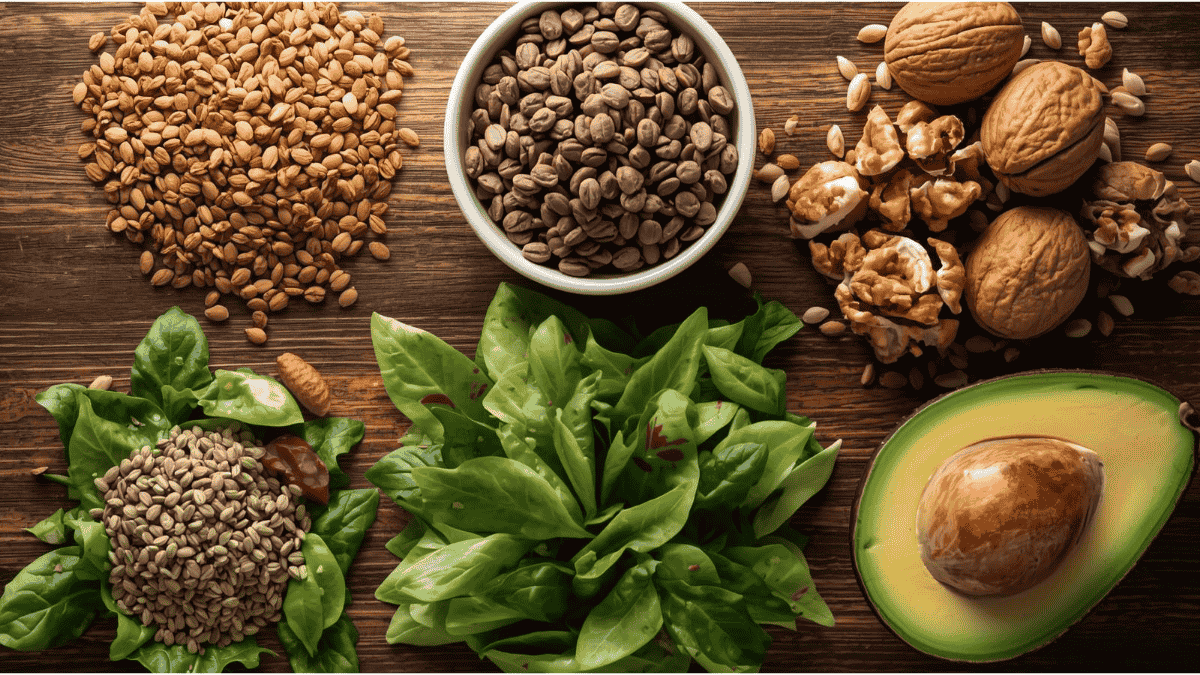
Diabetes is one of the most common chronic health conditions in the world today, affecting millions of people across all age groups. While medication and medical supervision remain essential, lifestyle and diet choices can make a huge difference in controlling blood sugar. For many individuals, managing diabetes naturally through proper nutrition and mindful eating habits has proven effective in stabilizing glucose levels, reducing complications, and improving overall health.
In our last article, we discussed the Role of Calcium and Vitamin D in Bone Health. Now, let’s turn our attention to how diet can help individuals with diabetes regain control over their health. In the next article, we’ll dive into The Truth About Carbs: Are They Really Bad?, which ties directly into diabetes management since carbohydrates play a central role in blood sugar regulation.
Understanding Diabetes and Its Dietary Connection
Diabetes occurs when the body either doesn’t produce enough insulin (Type 1) or can’t use insulin effectively (Type 2). Insulin is the hormone responsible for transporting glucose from the bloodstream into cells for energy.
Diet plays a crucial role because the food we eat directly influences blood sugar levels. A poor diet high in refined sugars, unhealthy fats, and processed foods can worsen diabetes, while a well-planned diet rich in whole, nutrient-dense foods can stabilize it.
12 Diet Tips for Managing Diabetes Naturally
1. Choose Low-Glycemic-Index (GI) Foods
The glycemic index ranks foods by how quickly they raise blood sugar. Low GI foods like lentils, beans, oats, non-starchy vegetables, and most fruits help maintain stable glucose levels.
2. Prioritise Whole Grains
Whole grains such as brown rice, quinoa, barley, and whole wheat contain more fiber and nutrients than refined grains, slowing digestion and preventing sugar spikes.
3. Increase Fiber Intake
Fiber-rich foods improve insulin sensitivity and help regulate digestion. Aim for fruits, vegetables, legumes, nuts, and seeds daily to meet your fiber needs.
4. Balance Carbohydrate Intake
Instead of eliminating carbs, balance them with protein and healthy fats. For instance, pair whole grain bread with avocado or hummus to reduce blood sugar spikes.
5. Include Lean Protein Sources
Protein supports satiety and helps stabilize blood sugar. Opt for chicken, fish, eggs, tofu, beans, and lentils as healthier choices.
6. Use Healthy Fats Wisely
Healthy fats from nuts, seeds, olive oil, and fatty fish support heart health and improve insulin sensitivity. Avoid trans fats and limit saturated fats.
7. Eat Smaller, Frequent Meals
Spacing meals evenly helps avoid sudden blood sugar spikes and crashes. Three balanced meals and two small snacks may work better than one or two heavy meals.
8. Stay Hydrated
Water supports kidney function and helps flush excess glucose from the body. Aim for 2–3 liters daily, adjusting for activity and climate. Herbal teas can also be beneficial.
9. Limit Added Sugars
Sweets, sodas, and processed snacks cause rapid sugar spikes. Replace them with natural alternatives like fruit, or use spices such as cinnamon for sweetness.
10. Control Portion Sizes
Even healthy foods can raise blood sugar if eaten in excess. Use smaller plates, measure servings, and follow mindful eating practices to stay on track.
11. Plan Balanced Meals with the Plate Method
The plate method recommends filling half your plate with vegetables, one-quarter with lean protein, and one-quarter with whole grains or starchy vegetables. This ensures balanced nutrition and blood sugar control.
12. Monitor Food Triggers and Keep a Journal
Track what you eat and how it affects your glucose levels. Identifying patterns can help you make better food choices.
Foods That Help in Managing Diabetes Naturally
- Vegetables: Broccoli, spinach, kale, cauliflower
- Fruits: Apples, berries, pears, oranges (avoid fruit juices)
- Proteins: Eggs, lean meat, beans, chickpeas, lentils
- Grains: Quinoa, oats, barley, brown rice
- Fats: Almonds, chia seeds, olive oil, salmon
Foods to Avoid
- Refined carbs: White bread, white rice, pastries
- Sugary drinks: Soda, energy drinks, fruit juices
- Processed snacks: Chips, cookies, fried foods
- High-fat meats: Bacon, sausages, fatty red meats
- Trans fats: Found in margarine, packaged snacks, fast food
Lifestyle Habits That Complement Diet
- Regular exercise helps improve insulin sensitivity.
- Adequate sleep reduces stress hormones that impact blood sugar.
- Stress management techniques such as meditation, yoga, or deep breathing prevent spikes caused by cortisol.
Conclusion
Managing diabetes naturally through diet is not about deprivation but about making smarter food choices. By focusing on low-GI foods, whole grains, fiber, lean protein, and healthy fats, individuals can regulate blood sugar more effectively and reduce the risk of complications. Just as the Role of Calcium and Vitamin D in Bone Health is vital for strong bones, nutrition is equally crucial for keeping diabetes under control. In our next article, we’ll explore The Truth About Carbs: Are They Really Bad? to help you understand how carbohydrates fit into a diabetes-friendly diet.
FAQs: Managing Diabetes Naturally
1. Can diabetes be managed without medication?
Yes, Type 2 diabetes can often be managed with diet, exercise, and lifestyle changes, though medical guidance is essential.
2. What foods help lower blood sugar quickly?
Leafy greens, whole grains, beans, and foods rich in fiber help regulate blood sugar.
3. Are bananas good for people with diabetes?
Bananas can be eaten in moderation as they contain natural sugars and fiber, but portion control is important.
4. Does intermittent fasting help in managing diabetes naturally?
Some studies suggest it may improve insulin sensitivity, but it should be done under medical supervision.
5. What drinks are best for people with diabetes?
Water, unsweetened herbal teas, and black coffee (without sugar) are the safest options.
6. Can cinnamon lower blood sugar?
Yes, cinnamon may help improve insulin sensitivity, but it should not replace medication.
7. How many carbs should a diabetic eat per day?
Typically 45–60 grams per meal, but it depends on individual needs and doctor recommendations.
8. Is fruit safe for diabetics?
Yes, whole fruits with fiber are safe, but avoid juices and limit high-sugar fruits like mangoes.
9. What type of bread is best for diabetes?
Whole grain or multigrain bread is better than white bread.
10. Can exercise replace diet in controlling diabetes?
No, exercise complements diet but cannot replace healthy eating.
11. Are dairy products safe for diabetics?
Low-fat yogurt, milk, and cheese in moderation are generally safe.
12. Do artificial sweeteners help?
They reduce sugar intake but should be used sparingly, as some may affect insulin response.
13. What is the best breakfast for managing diabetes naturally?
Oatmeal, eggs, and whole-grain toast with avocado are excellent choices.
14. Can stress affect blood sugar?
Yes, stress hormones raise blood sugar levels. Relaxation techniques can help.
15. Are nuts good for diabetes?
Yes, almonds, walnuts, and pistachios are high in healthy fats and fiber.
16. What role does hydration play in diabetes?
Water helps flush excess glucose through urine and prevents dehydration.
17. Should diabetics avoid rice completely?
White rice should be limited, but brown rice or quinoa in small portions is healthier.
18. Is it okay to eat potatoes with diabetes?
Yes, but in moderation and paired with fiber and protein to slow glucose release.
19. Can diabetics drink alcohol?
Moderate alcohol may be allowed, but it can affect blood sugar. Always consult a doctor.
20. Does sleep affect blood sugar?
Yes, poor sleep raises stress hormones, which increase blood sugar.
21. How does fiber help in diabetes?
Fiber slows digestion and glucose absorption, preventing sugar spikes.
22. Are eggs good for diabetes?
Yes, eggs are high in protein and have minimal effect on blood sugar.
23. Can diabetics eat chocolate?
Dark chocolate in small amounts may be beneficial due to antioxidants.
24. Is yoghurt safe for diabetics?
Yes, unsweetened Greek yoghurt is a good protein-rich option.
25. How does portion control help diabetes?
Smaller portions prevent overeating and maintain steady blood sugar.
26. Can diabetics eat pasta?
Whole-grain pasta in moderation is better than refined pasta.
27. Do vitamins and supplements help?
Some, like vitamin D and magnesium, support glucose metabolism, but diet remains most important.
28. Can stress eating worsen diabetes?
Yes, emotional eating often involves high-sugar foods, which spike blood sugar.
29. Is honey safe for diabetes?
Honey raises blood sugar and should be limited, even though it’s natural.
30. Can weight loss reverse diabetes?
In many cases, losing weight improves insulin sensitivity and may put Type 2 diabetes into remission.