Maintaining a healthy digestive system is crucial for overall well-being, yet it’s something many people overlook until problems arise. From constipation to bloating, gut discomfort is often a signal that the body isn’t getting enough fiber. Dietary fiber, found mainly in fruits, vegetables, legumes, and whole grains, plays a central role in digestive health. Unlike fats, proteins, or carbohydrates, fiber passes through the stomach and intestines largely intact, but along the way, it works wonders for the body.
This article explores the 10 powerful benefits of dietary fiber for digestive health, highlighting its impact on digestion, metabolism, and disease prevention. In our previous article, we covered how minerals for strong bones are critical for skeletal strength. Next, we’ll explore the role of hydration and its role in metabolism, which ties closely with fiber intake and overall wellness.
Understanding Dietary Fiber for Digestive Health
Dietary fiber refers to the parts of plant foods that the body cannot fully digest or absorb. It comes in two forms:
- Soluble fiber: Dissolves in water to form a gel-like substance. It helps regulate blood sugar, lowers cholesterol, and supports gut bacteria.
- Insoluble fiber: Adds bulk to stool, promoting bowel regularity and preventing constipation.
Both types are essential and often found together in fibre-rich foods.
1. Promotes Regular Bowel Movements of Dietary Fiber for Digestive Health
Fiber adds bulk to stool and softens it, making bowel movements easier to pass. Insoluble fiber in whole grains, nuts, and vegetables helps prevent constipation and irregularity, two of the most common digestive complaints.
2. Prevents Constipation and Supports Colon Health with Dietary Fiber for Digestive Health
Constipation affects millions worldwide, often due to low fiber intake. Regular fiber consumption improves stool consistency and reduces strain during bowel movements. Long-term, it also lowers the risk of diverticulitis and colon-related diseases.
3. Feeds Healthy Gut Bacteria for Dietary Fiber for Digestive Health
Soluble fiber acts as a prebiotic, nourishing beneficial gut bacteria. A balanced microbiome supports digestion, reduces inflammation, and strengthens immunity. Foods like oats, bananas, and beans are excellent prebiotic sources.
4. Lowers the Risk of Digestive Disorders
High-fiber diets reduce the risk of haemorrhoids, diverticulosis, and colorectal cancer. By keeping the digestive tract clean and functional, fiber prevents the buildup of harmful substances in the intestines.
5. Improves Blood Sugar Regulation with Dietary Fiber for Digestive Health
Soluble fiber slows digestion and the absorption of sugar, preventing spikes in blood glucose. This makes fiber particularly important for people with diabetes or those at risk of developing it.
6. Supports Weight Management
Fiber-rich foods are more filling, reducing hunger and promoting satiety. By slowing digestion, fiber helps control appetite and lowers the likelihood of overeating.
7. Reduces Cholesterol Levels with the help of Dietary Fiber for Digestive Health
Soluble fiber binds with cholesterol particles in the digestive tract and helps remove them from the body. This lowers LDL cholesterol levels and supports cardiovascular health alongside digestive benefits.
8. Detoxifies the Body Naturally with Dietary Fiber for Digestive Health
Fiber acts like a natural cleanser for the intestines, pushing out waste and toxins more efficiently. Insoluble fiber especially helps reduce the time food stays in the colon, lowering the risk of buildup.
9. Enhances Nutrient Absorption with Dietary Fiber for Digestive Health
Although fiber itself isn’t digested, it improves the absorption of minerals such as calcium and magnesium. A diet high in fiber can indirectly strengthen bones and boost overall health.
10. Promotes Longevity Through Digestive Wellness
Research shows that people who consume more fiber live longer, healthier lives. A strong digestive system supported by fiber not only prevents disease but also promotes energy, metabolism, and long-term vitality.
Best Sources of Dietary Fiber for Digestive Health
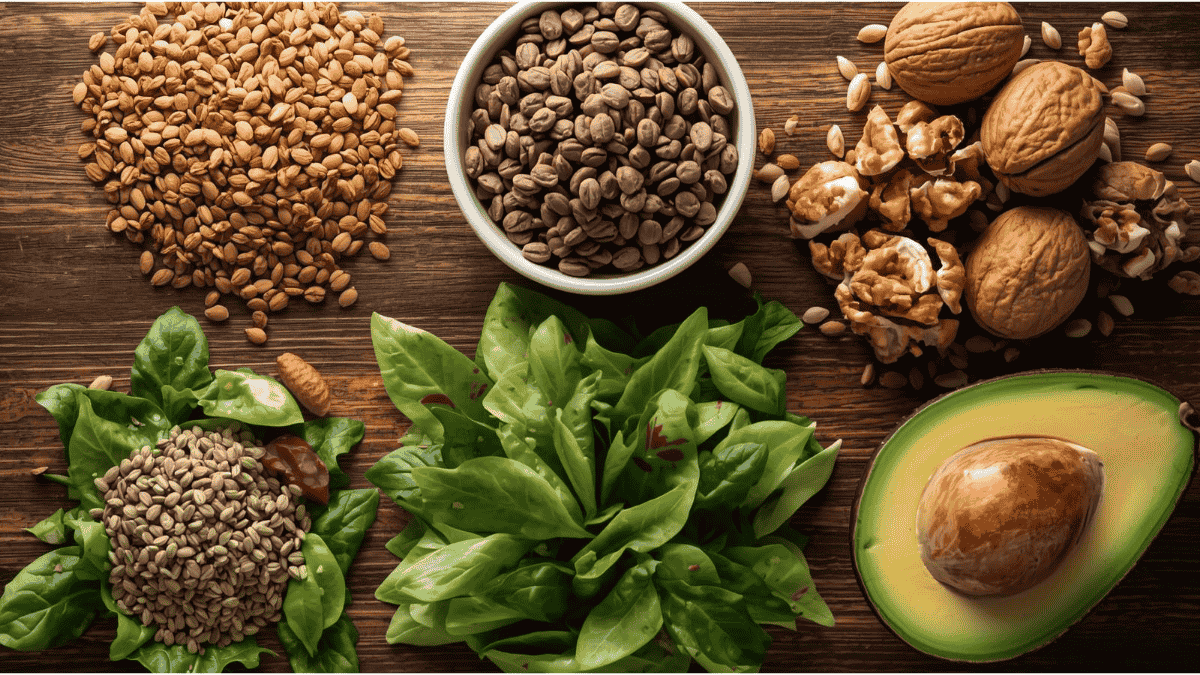
- Fruits: Apples, pears, bananas, berries
- Vegetables: Broccoli, carrots, Brussels sprouts, leafy greens
- Whole grains: Oats, brown rice, barley, quinoa
- Legumes: Lentils, beans, chickpeas
- Nuts and seeds: Almonds, chia seeds, flaxseeds
The recommended daily intake is 25–30 grams for adults, but most people consume less than half this amount.
Fiber and Lifestyle: How to Increase Intake
- Start the day with oatmeal topped with fruit and seeds.
- Replace refined grains with whole-grain options.
- Add legumes to soups, salads, and main dishes.
- Snack on raw vegetables, fruits, or nuts instead of processed foods.
- Drink enough water, since fiber needs fluid to work effectively.
Common Problems Linked to Low Fiber Intake
- Constipation and irregularity
- Bloating and indigestion
- Higher cholesterol and blood sugar fluctuations
- Increased risk of colon-related diseases
Conclusion
Dietary fiber is more than just a digestive aid—it’s a cornerstone of health that supports bowel regularity, feeds gut bacteria, prevents disease, and even improves nutrient absorption. Including a variety of fiber-rich foods in your daily diet not only enhances digestive health but also promotes long-term wellness. Just as minerals for strong bones build the body’s structure, fiber ensures the digestive system functions efficiently. In our next article, we’ll explore hydration and its role in metabolism to see how fluids and fiber work together to keep the body balanced.
FAQs: Dietary Fiber for Digestive Health
1. How much dietary fiber should I eat daily?
Adults should aim for 25–30 grams of fiber daily, with a balance of soluble and insoluble fiber.
2. What foods are highest in fiber?
Beans, lentils, oats, broccoli, apples, chia seeds, and whole grains are among the richest sources.
3. What is the difference between soluble and insoluble fiber?
Soluble fiber dissolves in water and supports cholesterol control, while insoluble fiber adds bulk to stool for bowel regularity.
4. Does fiber help with constipation?
Yes, insoluble fiber promotes stool movement, relieving constipation naturally.
5. Can fiber prevent colon cancer?
A high-fiber diet lowers the risk of colorectal cancer by keeping the digestive tract clean.
6. What are the best fruits for fiber intake?
Apples, pears, bananas, raspberries, and avocados are excellent high-fiber fruits.
7. Is fiber good for weight loss?
Yes, fiber promotes fullness, controls appetite, and prevents overeating.
8. Does fiber lower cholesterol?
Soluble fiber binds cholesterol in the intestines, reducing LDL cholesterol levels.
9. Can fiber improve gut bacteria?
Yes, soluble fiber acts as prebiotics, feeding beneficial gut microbes.
10. How does fiber affect blood sugar?
Fiber slows digestion, preventing spikes in blood sugar after meals.
11. Can I take fiber supplements instead of food?
Supplements may help, but whole foods provide more balanced nutrition.
12. What vegetables are rich in fiber?
Broccoli, carrots, Brussels sprouts, kale, and spinach are all high in fiber.
13. Can too much fiber cause problems?
Yes, excessive fiber can cause bloating, gas, or diarrhea. Balance is key.
14. What’s the best breakfast for fiber?
Oatmeal with fruits, chia seeds, or whole grain toast with avocado.
15. Do nuts provide good fiber?
Yes, almonds, walnuts, and chia seeds are high in fiber and healthy fats.
16. How does fiber detoxify the body?
Fiber speeds waste removal, reducing toxin buildup in the colon.
17. Can fiber reduce bloating?
Yes, but start slowly—sudden high intake may temporarily cause bloating.
18. Which grains are best for fiber?
Whole grains like oats, barley, quinoa, and brown rice provide excellent fiber.
19. Can children eat a high-fiber diet?
Yes, but portion sizes should be age-appropriate and balanced.
20. Does cooking reduce fiber in foods?
Cooking may slightly reduce fiber, but most remains intact.
21. Can fiber help with hemorrhoids?
Yes, fiber softens stool and reduces strain, easing hemorrhoid symptoms.
22. What drinks are good for digestion with fiber?
Smoothies with fruits, vegetables, and seeds are fiber-rich options.
23. Do bananas have fiber?
Yes, bananas contain both soluble and insoluble fiber.
24. Does fiber increase energy?
Indirectly—fiber stabilizes blood sugar, preventing energy crashes.
25. Can fiber improve skin health?
Yes, fiber helps detoxify, which may reduce acne and improve skin glow.
26. What happens if I don’t eat enough fiber?
Low fiber intake can lead to constipation, bloating, and higher disease risks.
27. Can fiber reduce acid reflux?
Yes, fiber-rich foods may help prevent acid reflux symptoms.
28. Is fiber important for athletes?
Yes, it improves digestion, energy stability, and nutrient absorption.
29. What’s the healthiest way to increase fiber?
Gradually add fruits, vegetables, whole grains, legumes, and nuts.
30. Can a high-fiber diet improve longevity?
Yes, studies show fiber-rich diets reduce disease risks and support longer life.