Introduction
Among all the nutrients essential for human health, protein holds a unique place. Known as the body’s building block, protein is critical for tissue repair, hormone production, immunity, and most famously, muscle growth. For athletes, fitness enthusiasts, or anyone aiming for a stronger body, understanding protein and muscle building is key to long-term success.
In our last article, we explored antioxidants and their role in disease prevention and how they protect the body at the cellular level. Protein complements this by repairing those very cells, strengthening tissues, and enabling physical performance.
This article breaks down the science of protein, why it is crucial for muscle growth, how much you need, the best sources, and strategies to maximise results.
Why Protein Matters for Muscle Building
Muscles are made primarily of protein. When you exercise, especially strength training, muscle fibers experience tiny tears. The body repairs these tears using amino acids, the building blocks of protein. This repair process not only restores the muscle but also makes it bigger and stronger, a process called muscle hypertrophy.
Without sufficient protein, muscles cannot recover efficiently, leading to slower progress, fatigue, and even muscle loss.
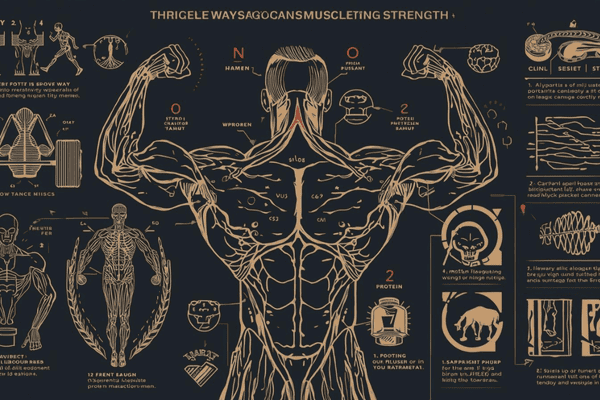
7 Powerful Ways Protein Supports Muscle Building
1. Muscle Repair and Growth
Protein is essential for repairing the micro-tears caused by resistance training. Amino acids like leucine directly stimulate muscle protein synthesis, the process by which the body builds new muscle tissue.
2. Improved Recovery Time
Adequate protein intake reduces soreness, speeds up healing, and allows athletes to train harder and more often. Faster recovery means consistent progress without burnout.
3. Prevention of Muscle Loss
During calorie restriction or ageing, the body may break down muscle for energy. Protein intake helps preserve lean muscle mass, ensuring strength and function remain intact.
4. Boosting Metabolism
Protein has a higher thermic effect than carbs or fats, meaning the body burns more calories digesting it. This helps with fat loss while preserving muscle mass.
5. Supporting Hormonal Balance
Proteins are necessary for the production of hormones like insulin and growth hormone, both of which are critical for muscle building and energy regulation.
6. Enhancing Immune Function
Training hard can temporarily weaken immunity. Protein provides the raw materials for antibodies and enzymes that keep the immune system strong.
7. Increased Strength and Performance
Over time, consistent protein intake combined with resistance training improves muscle size, strength, endurance, and overall physical performance.
How Much Protein Do You Need?
The exact protein requirement varies depending on activity level, age, and goals.
- General adults: 0.8 grams of protein per kilogram of body weight daily
- Active individuals: 1.2–2.0 grams/kg
- Strength athletes: 1.6–2.2 grams/kg
For example, a 70 kg person aiming to build muscle may need 112–154 grams of protein daily.
Best Protein Sources for Muscle Growth
Animal-Based Sources
- Chicken breast – Lean, high-quality protein
- Fish (salmon, tuna) – Provides protein plus omega-3 fatty acids
- Eggs – Rich in leucine, highly bioavailable protein
- Dairy (milk, yoghurt, whey) – Excellent for post-workout recovery
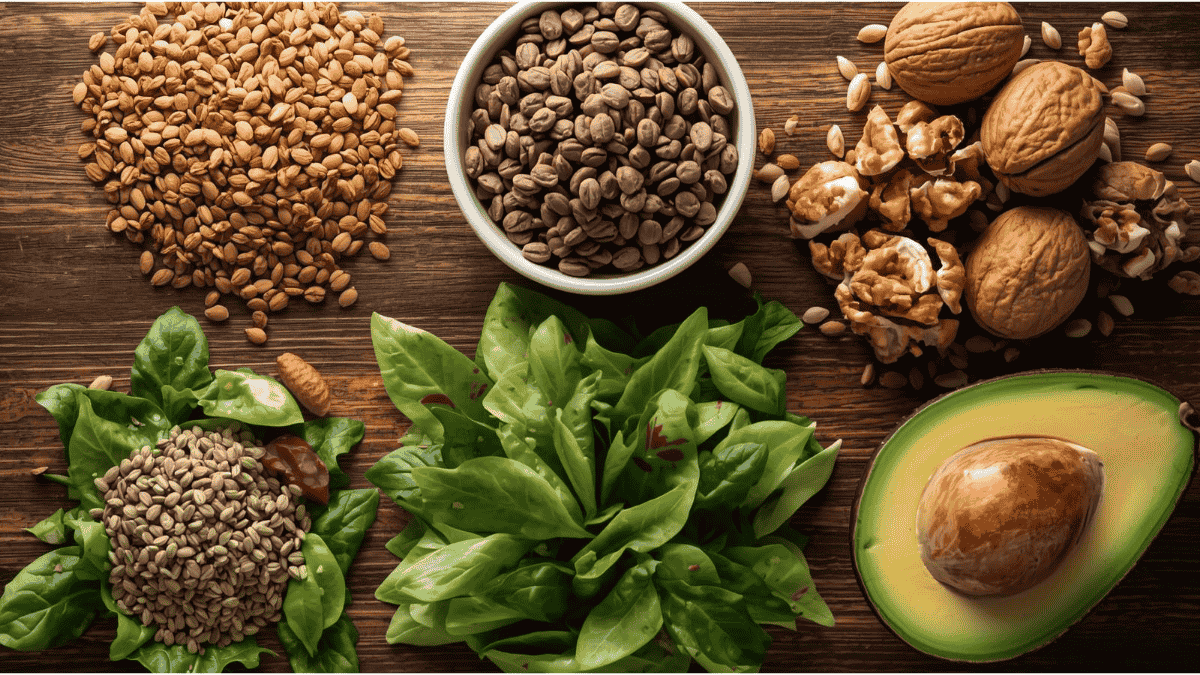
Plant-Based Sources
- Lentils and beans – High in protein and fiber
- Tofu and tempeh – Complete plant proteins
- Quinoa – Contains all nine essential amino acids
- Nuts and seeds – Good for snacking and healthy fats
For those following a vegetarian or vegan lifestyle, combining different plant sources ensures a complete amino acid profile.
The Role of Protein Timing
Protein timing influences how effectively the body uses amino acids for muscle growth.
- Pre-workout: Eating protein 1–2 hours before exercise supports performance.
- Post-workout: Consuming 20–40 grams of protein within 30–60 minutes helps kickstart recovery.
- Throughout the day: Spreading intake across meals enhances protein synthesis.
Protein and Weight Management
One of the often-overlooked benefits of protein and muscle building is its role in fat loss. A high-protein diet helps maintain satiety, reducing cravings and overeating. This makes it easier to achieve a leaner, more defined physique.
Protein Myths and Misconceptions
- Myth 1: Eating too much protein harms the kidneys.
Truth: In healthy individuals, high-protein diets are safe. Problems occur only with pre-existing kidney disease. - Myth 2: You can only absorb 30 grams of protein per meal.
Truth: The body digests protein continuously; while synthesis peaks around 20–40 grams, larger amounts are still used. - Myth 3: Only animal protein builds muscle.
Truth: Plant-based proteins, when combined properly, are equally effective.
The Connection Between Protein and Antioxidants
Protein doesn’t work alone. As we discussed in antioxidants and their role in disease prevention, antioxidants reduce oxidative stress, which can damage muscle cells. Together, antioxidants and protein create a powerful combination for repair, recovery, and overall performance.
Protein, Ageing, and Longevity
As people age, muscle loss, known as sarcopenia, becomes a serious concern. Higher protein intake helps slow this decline, maintaining independence, balance, and strength in older adults.
Practical Tips to Boost Protein Intake
- Start your day with eggs, Greek yoghurt, or a protein smoothie.
- Add beans, lentils, or tofu to salads and soups.
- Keep nuts and seeds handy for quick snacks.
- Use whey or plant protein shakes for convenient post-workout recovery.
- Distribute protein evenly across breakfast, lunch, and dinner.
Looking Ahead: Omega-3 Fatty Acids
Protein is the foundation of muscle growth, but fats also play a critical role in performance and recovery. In our next article, we’ll explore the benefits of omega-3 fatty acids and how they support brain function, heart health, and inflammation control.
Conclusion
Protein and muscle building go hand in hand, forming the backbone of strength, recovery, and long-term wellness. From repairing muscle fibres to boosting metabolism and preserving lean mass, protein is more than just fuel; it’s a foundation for resilience.
The key is balance: consuming the right amount, choosing high-quality sources, and timing intake strategically. Whether you’re an athlete striving for peak performance or someone looking to stay active and healthy, prioritising protein can transform your results.
Combined with antioxidants, micronutrients, and healthy fats, protein ensures the body is not only strong but also protected against disease and ageing. By understanding the science of protein and applying it daily, you unlock the full potential of your health and fitness journey.