Introduction
When people think of essential nutrients, they often focus on protein, fats, or vitamins. Yet one element is often overlooked despite being crucial for health: dietary fiber. The importance of fiber in diet cannot be overstated. Fiber improves digestion, controls blood sugar, lowers cholesterol, and even reduces the risk of chronic diseases.
In our last article, we explained how healthy fats for the heart protect against heart disease. Now, let’s explore why fiber deserves equal attention as part of a balanced diet.
What is Fiber?
Fiber is a type of carbohydrate found in plant-based foods that the body cannot fully digest. Unlike sugars and starches, fiber passes through the digestive system largely intact. This unique property makes the importance of fiber in diet vital for digestive and metabolic health.
There are two main types of fiber:
- Soluble fiber: Dissolves in water, forming a gel that slows digestion and lowers cholesterol. Found in oats, apples, beans, and flaxseeds.
- Insoluble fiber: Adds bulk to stool, speeding up bowel movements. Found in whole grains, vegetables, and nuts.
Both types demonstrate the true importance of fiber in diet when consumed together.
Why Fiber Matters for Health
The importance of fiber in diet extends far beyond digestion. Here’s why it’s so critical:
- Improves Digestion
Fiber keeps the digestive system regular, preventing constipation and bloating. - Lowers Cholesterol
Soluble fiber binds to cholesterol particles and removes them from the body. This supports healthy fats for the heart in protecting cardiovascular health. - Balances Blood Sugar
Fiber slows sugar absorption, preventing sudden spikes and crashes, making it essential for people with diabetes. - Controls Weight
Fiber-rich foods are filling but low in calories, making the importance of fiber in diet clear for weight management. - Reduces Risk of Diseases
A high-fiber diet lowers the risk of heart disease, type 2 diabetes, and some cancers.
Top Sources to Meet the Importance of Fiber in Diet
1. Whole Grains
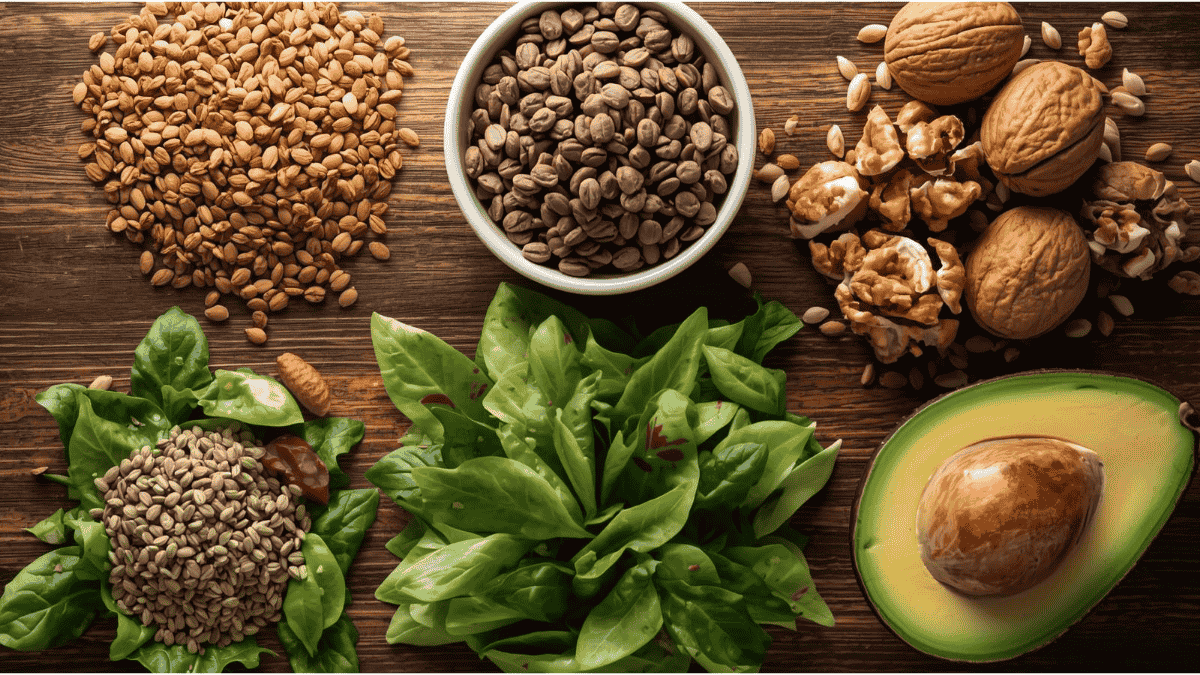
Brown rice, oats, quinoa, and barley are excellent sources of fiber.
2. Legumes
Lentils, beans, and chickpeas pack protein and demonstrate the importance of fiber in diet for vegetarians.
3. Fruits
Apples, pears, and berries provide soluble fiber along with antioxidants.
4. Vegetables
Spinach, broccoli, and carrots show the importance of fiber in diet by keeping meals nutrient-rich.
5. Nuts and Seeds
Chia seeds, flaxseeds, and almonds add fiber while supplying healthy fats.
Daily Fiber Requirements
According to nutrition guidelines:
- Women need 21–25 grams of fiber daily
- Men need 30–38 grams of fiber daily
Unfortunately, most people consume far less. Recognising the importance of fiber in diet means consciously including fiber-rich foods in every meal.
Easy Ways to Add More Fiber
- Choose whole-grain bread instead of white
- Add beans or lentils to soups and salads
- Eat fruits with skin rather than juices
- Sprinkle flaxseeds or chia seeds on yogurt
- Snack on nuts instead of chips
These small swaps prove the importance of fiber in diet in practical, everyday life.
Fiber and Hydration Connection
The benefits of fiber are maximized when paired with proper hydration. Insoluble fiber needs water to add bulk and move smoothly through the digestive tract. Without enough fluids, too much fiber can cause bloating or discomfort.
Our next article will cover hydration and health, explaining how water works with fiber to support digestion, skin, and overall wellness.
Myths About Fiber
- Myth 1: Fiber supplements can replace whole foods.
Reality: Supplements help but lack the vitamins and minerals found in whole foods. - Myth 2: Only older adults need fiber.
Reality: The importance of fiber in diet applies to all ages for lifelong health. - Myth 3: High-fiber foods taste boring.
Reality: With fruits, nuts, and whole grains, fiber can be both tasty and versatile.
Fiber and Weight Management
Fiber slows digestion and prolongs fullness. Combined with protein for weight management and healthy fats for the heart, it creates a powerful trio for weight control and cardiovascular protection.
Conclusion
The importance of fiber in diet goes far beyond preventing constipation. From regulating digestion to lowering cholesterol and reducing disease risk, fiber is a cornerstone of good health.
By eating more fruits, vegetables, whole grains, and legumes, you can unlock the benefits of fiber every day. When combined with healthy fats for the heart and proper hydration and health, fiber builds the foundation of a truly balanced lifestyle.