Introduction
For decades, fat was considered the enemy of good health. People were told to avoid fatty foods at all costs. But today, science paints a different picture. While harmful trans fats and excessive saturated fats do damage the heart, certain fats are essential for a healthy life. In fact, healthy fats for the heart are crucial for reducing cholesterol, improving circulation, and lowering the risk of heart disease.
In our last article, we explored how protein for weight management helps control appetite and support muscle health. Now, let’s understand why good fats are equally important, especially for protecting the heart.
Why Healthy Fats for the Heart Matter
Fats are not just about calories. They play critical roles in:
- Absorbing fat-soluble vitamins (A, D, E, K)
- Producing hormones
- Providing long-lasting energy
- Protecting organs and cells
- Supporting brain and heart health
When chosen wisely, healthy fats for the heart lower bad cholesterol (LDL) and increase good cholesterol (HDL), keeping arteries clear and reducing the risk of heart attacks.
Types of Fats: The Good and the Bad
To understand healthy fats for the heart, we need to know the difference between various fat types.
1. Unsaturated Fats (The Good Fats)
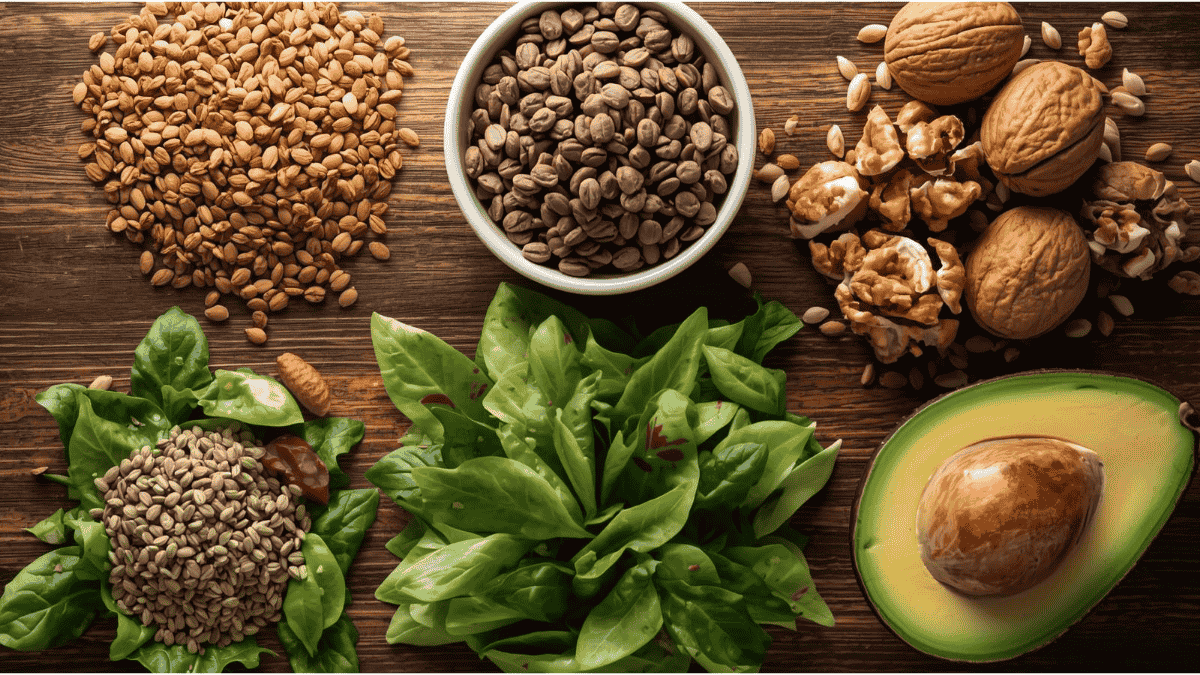
- Monounsaturated fats: Found in olive oil, nuts, and avocados. These improve cholesterol balance.
- Polyunsaturated fats: Found in fish, flaxseeds, and walnuts. These include omega-3 and omega-6 fatty acids that are vital for heart health.
2. Saturated Fats (Limit Intake)
- Found in butter, red meat, and cheese. Some saturated fats can be safe in moderation, but excess raises LDL cholesterol.
3. Trans Fats (The Worst Fats)
- Found in processed snacks, fried foods, and margarine. These increase bad cholesterol and inflammation, leading to heart disease.
Only unsaturated fats deserve the label healthy fats for the heart.
Top 10 Sources of Healthy Fats for the Heart
1. Avocados
Avocados are rich in monounsaturated fats, making them one of the best healthy fats for the heart.
2. Olive Oil
A Mediterranean diet staple, olive oil lowers LDL cholesterol and supports artery health.
3. Fatty Fish
Salmon, mackerel, and sardines are loaded with omega-3 fatty acids, vital healthy fats for the heart.
4. Nuts
Almonds, walnuts, and pistachios are heart-friendly snacks that provide protein and healthy fats for the heart.
5. Seeds
Flaxseeds, chia seeds, and pumpkin seeds contain omega-3s and fiber, making them doubly beneficial.
6. Dark Chocolate
In moderation, dark chocolate provides antioxidants and healthy fats for the heart.
7. Coconut Oil (in moderation)
Although higher in saturated fat, coconut oil contains medium-chain triglycerides (MCTs) that may benefit metabolism.
8. Eggs
Egg yolks are often misunderstood, but they contain essential nutrients and healthy fats for the heart when eaten moderately.
9. Soy Products
Soybeans, tofu, and soy milk provide plant-based protein with good fats.
10. Nut Butters
Peanut butter and almond butter are tasty sources of healthy fats for the heart, provided they are unsweetened and natural.
How Healthy Fats for the Heart Work in the Body
Healthy fats improve the ratio of HDL to LDL cholesterol. HDL acts like a cleaner, carrying harmful cholesterol away from arteries. Omega-3 fatty acids also:
- Reduce inflammation in blood vessels
- Lower triglycerides
- Prevent blood clots
- Support a stable heart rhythm
This makes omega-rich foods some of the most important healthy fats for the heart.
The Link Between Healthy Fats and Weight Management
People often fear fats because of their calorie density. But eating the right healthy fats for the heart can actually help with weight control. They increase satiety, reduce overeating, and stabilize blood sugar levels.
This connects directly with our discussion on protein for weight management, showing how the right combination of protein and healthy fats keeps both your weight and heart in balance.
Daily Tips to Add Healthy Fats for the Heart
- Use olive oil instead of refined cooking oil
- Snack on nuts instead of chips
- Add avocado slices to your sandwich
- Eat fish at least twice a week
- Sprinkle flaxseeds or chia seeds on smoothies or oatmeal
These small steps ensure your meals are rich in healthy fats for the heart without excess calories.
Myths About Healthy Fats for the Heart
- Myth 1: All fats are bad.
Reality: Only trans fats are harmful. Good fats protect the heart. - Myth 2: Eating fat makes you fat.
Reality: Excess calories, not fats themselves, cause weight gain. In fact, healthy fats for the heart help manage appetite. - Myth 3: Low-fat diets are best for heart health.
Reality: Studies show moderate fat intake from the right sources is better than very low-fat diets.
Healthy Fats and Fiber: A Perfect Combination
When combined with fiber-rich foods, healthy fats for the heart become even more effective. Fiber helps reduce cholesterol absorption, while good fats keep arteries flexible.
Our next article will focus on the importance of fiber in diet and how it complements healthy fats for better digestion and heart protection.
Conclusion
For years, fats were wrongly blamed for heart disease. But research now shows that healthy fats for the heart are vital for protecting arteries, improving cholesterol balance, and supporting long-term health.
From avocados and olive oil to fatty fish and nuts, adding these foods to your diet can significantly reduce the risk of cardiovascular problems. Combine them with protein for weight management and fiber-rich meals to build a balanced diet that nourishes both the heart and the body.