Mangoes are a tropical delight, boasting about 1084 IU of Vitamin A per fruit
Understanding Vitamin A benefits and Importance
Vitamin A is a crucial fat-soluble vitamin that plays a vital role in numerous bodily functions. It is primarily known for its significant contribution to maintaining good vision. The retina requires vitamin A to produce rhodopsin, a pigment essential for low-light and color vision. Without adequate levels of this vitamin, night blindness and other vision-related issues may arise. Moreover, vitamin A is indispensable for supporting immune function as it helps maintain the integrity of mucosal surfaces in the respiratory and gastrointestinal tracts, serving as a barrier against infections.
Two Principal Forms of Vitamin A
There are two principal forms of vitamin A: preformed vitamin A (retinol) and provitamin A (beta-carotene). Retinol is found in animal products, such as liver, dairy, and fish, while beta-carotene is primarily derived from plant sources, particularly colorful fruits and vegetables. Once consumed, the body converts beta-carotene into retinol as needed, making it an efficient way to obtain this vitamin through a plant-based diet. Foods rich in beta-carotene, such as carrots, sweet potatoes, and spinach, are particularly valuable as they provide a natural source of vitamin A.
The recommended daily intake of vitamin A varies based on age, sex, and life stages; for instance, adult men need approximately 900 micrograms, while adult women require around 700 micrograms. Adequate intake can usually be achieved through a balanced diet, but vitamin A deficiency remains a global health concern, particularly in developing countries. A deficiency may lead to serious health issues, including compromised immune function, severe vision problems, and skin disorders. Therefore, understanding the importance of vitamin A and ensuring an adequate intake through diet is fundamental for overall health and well-being.
How Fruits Contribute to Vitamin A Intake
Fruits serve as an essential source of Vitamin A benefits, particularly through their content of provitamin A carotenoids. These carotenoids, such as beta-carotene, alpha-carotene, and beta-cryptoxanthin, are plant pigments that the body can convert into retinol, the active form of Vitamin A. Consuming fruits high in these nutrients not only boosts Vitamin A intake but also contributes to overall health and wellness. Incorporating a variety of fruits into one’s diet can help fulfill the recommended daily allowances for Vitamin A, which are vital for maintaining healthy vision, skin, and immune function.
significance
The significance of fruits rich in Vitamin A cannot be overstated. They provide a natural, low-calorie source of essential nutrients, making them an excellent addition to a balanced diet. For example, fruits like apricots, mangoes, and cantaloupes are particularly renowned for their high beta-carotene content. This natural compound helps in promoting good eye health by preventing vision impairment and reducing the risk of age-related eye diseases. Moreover, Vitamin A plays a crucial role in maintaining the integrity of the skin and the mucous membranes, thereby supporting overall immune function.
To maximize the absorption of Vitamin A from fruits, it is beneficial to consume them alongside dietary fats, such as nuts or yogurt. This is because Vitamin A is a fat-soluble vitamin, meaning that its absorption is enhanced when consumed with fats. Furthermore, incorporating a rainbow of colored fruits into one’s meals not only enriches Vitamin A levels but also provides a broader spectrum of antioxidants and phytochemicals that support overall health.
Overall, integrating fruits high in provitamin A carotenoids into your daily regimen contributes significantly to your Vitamin A intake and promotes optimal health.
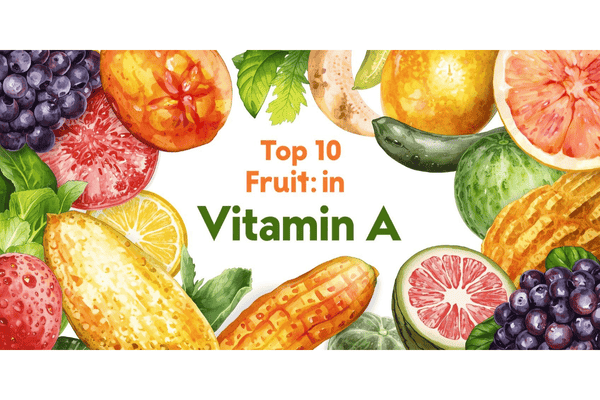
Top 10 Fruits High in Vitamin A benefits
Vitamin A is an essential nutrient that plays a critical role in maintaining good vision, immunity, and skin health. Many fruits are excellent sources of this vitamin, making them a delicious and healthy addition to your diet. here the top 10 fruits that are particularly high in Vitamin B.
Mangoes
Mangoes are a tropical delight, boasting about 1084 IU of Vitamin A per fruit. Rich in antioxidants, they promote skin health and help in preventing cellular damage. Incorporating mangoes into smoothies or salads can enhance both flavor and nutritional value.
Apricots
Apricots contain approximately 469 IU of Vitamin A per 100 grams. These small, orange fruits are not only delicious but also support eye health and improve skin texture. Dried apricots serve as a healthy snack option or can be added to cereals for a sweet touch.
Papayas
Papayas offer around 950 IU of Vitamin A in a single medium fruit. This tropical fruit aids digestion and has anti-inflammatory properties. Sliced papaya can be enjoyed on its own, in fruit salads, or blended into a refreshing smoothie.
Grapefruit
Grapefruit, specifically the pink variety, contains about 125 IU of Vitamin A per 100 grams. Full of antioxidants and fiber, grapefruit can be a fantastic breakfast fruit or added to salads for a tart flavor contrast.
Watermelon
Watermelon is often overlooked for its Vitamin A content, providing approximately 569 IU per medium-sized wedge. Not only hydrating, its high water content makes it an ideal snack for hot days, either fresh or blended into juices.
Passionfruit
Passionfruit is another excellent source, delivering around 1270 IU of Vitamin A per fruit. With its unique flavor, it can easily enhance desserts, yogurt, or breakfast bowls.
Cantaloupe
Cantaloupe, also known as muskmelon, provides around 1810 IU of Vitamin A per medium melon. It’s known for its hydrating properties and is perfect for fruit salads, smoothies, or just as a standalone snack.
Guava
Guava offers about 624 IU of Vitamin A per 100 grams. This tropical fruit is rich in vitamin C and aids in digestion, making it a nutritious option for salads or smoothies.
Persimmon
Persimmon is packed with approximately 1624 IU of Vitamin A per fruit. Its sweet, honey-like flavor makes it an excellent addition to desserts or as a fresh snack.
Dragon fruit
Dragon fruit, or pitaya, provides about 160 IU of Vitamin A per 100 grams. Its vibrant appearance and unique flavor profile make it a vibrant addition to fruit salads or smoothie bowls.
Incorporating these fruits into your daily meals not only boosts Vitamin A intake but also adds variety and flavor to your diet. They can be enjoyed raw, in smoothies, or even as part of a light dessert, making them versatile options for enhancing both health and enjoyment.
Incorporating Vitamin A benefits Rich Fruits into Your Diet
Integrating vitamin A-rich fruits into your daily meals can significantly enhance your nutritional profile. These fruits not only provide essential nutrients but also contribute to the overall diversity in your diet, promoting balanced health. One effective method to incorporate these fruits is through breakfast. Start your day with a vibrant smoothie by blending mango, apricots, or papaya with spinach and yogurt. This combination not only adds creamy texture but also ensures you are getting adequate vitamins to kickstart your morning.
Salads can be another excellent platform for including vitamin A-rich fruits. For instance, prepare a refreshing salad with mixed greens, diced watermelon, and avocado. Watermelon is rich in beta-carotene, a precursor to vitamin A. Add some nuts or seeds for crunch and drizzling of balsamic vinaigrette for added flavor. Another option is a fruit salad featuring cantaloupe and ripe peaches, offering a sweet yet nutritious component to your meal.
For a delightful dessert, consider blending pureed sweet potatoes or pumpkin, both of which are excellent sources of vitamin A, into creamy puddings or baked goods. This can be a fantastic way to enjoy the nutritional benefits without feeling like you are compromising on taste. Furthermore, cooking with dried apricots or using these fruits as toppings for yogurt can also elevate your snacks.
When crafting beverages, infuse your water with slices of apricots or add a touch of fruit juice to your smoothies for extra flavor. Considering a mix of various fruits will ensure you benefit from a wide-ranging intake of vitamins. Ultimately, exploring diverse ways to incorporate vitamin A-rich fruits into your diet will not only enhance your meals but will also support your overall well-being.