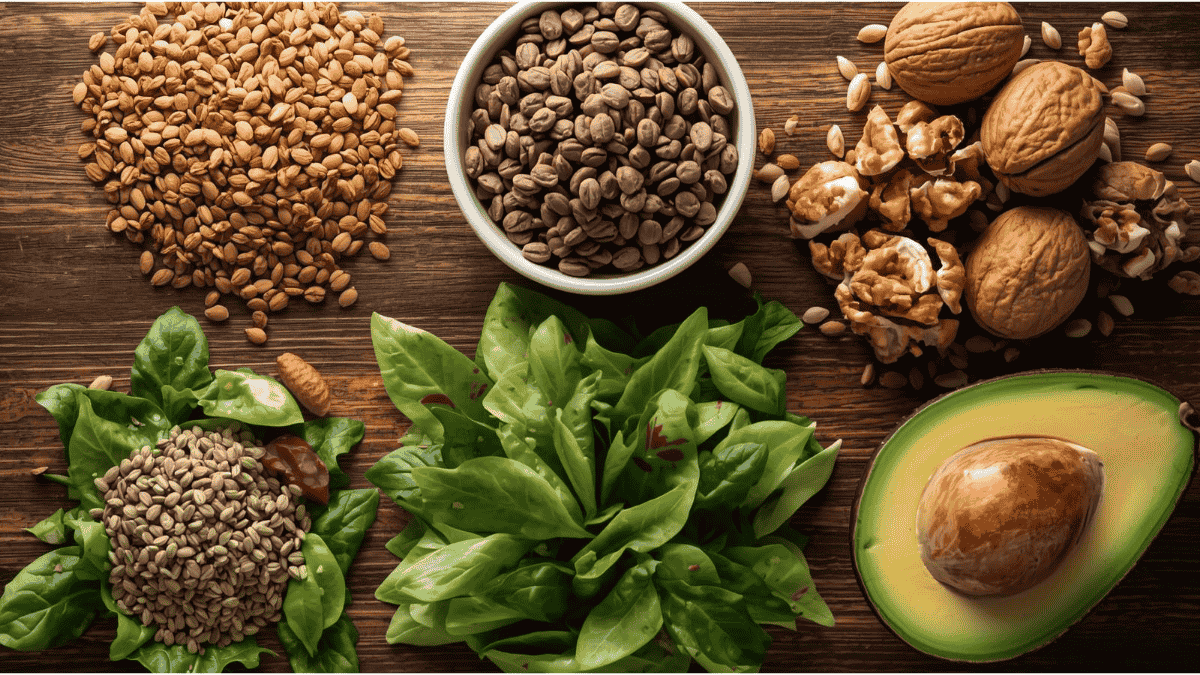
Introduction: Refuelling After the Finish Line
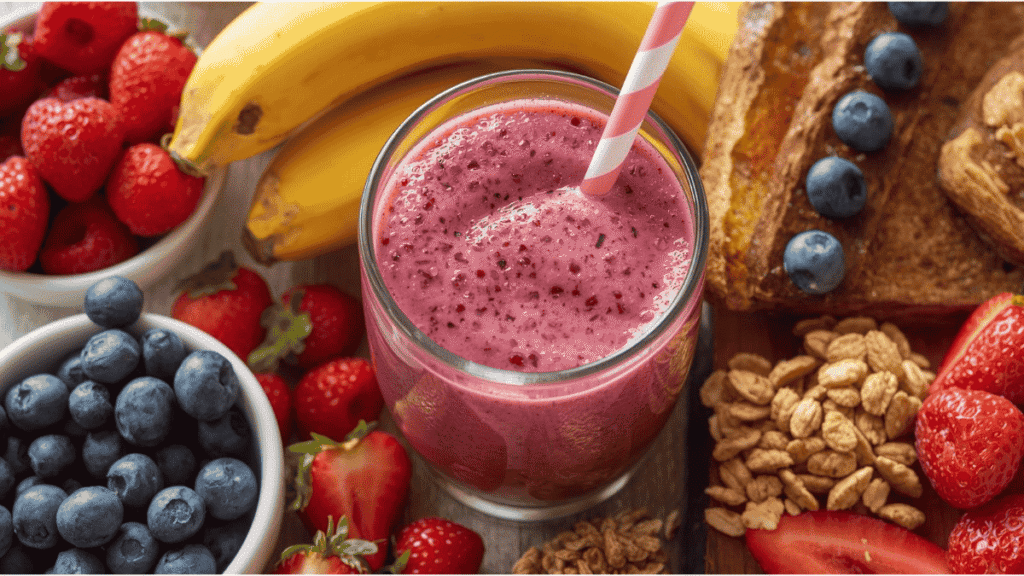
A workout doesn’t end when you rack the weights or step off the treadmill; your body’s real work starts afterwards. Muscles need nutrients to rebuild, glycogen stores must be refilled, and hydration levels restored. What you eat post-workout determines how well your body recovers and prepares for your next session.
This is where post workout nutrition comes in. It’s not about eating more but eating right with the right mix of protein, carbohydrates, and hydration.
In Sports Nutrition: Diet Plans for Athletes, we explored how balanced nutrition fuels performance. Today, we focus on recovery: the foods that repair, rebuild, and restore. In Pre-Workout Nutrition: What to Eat for Energy, we’ll discuss how to prepare your body before training.
Why Post Workout Nutrition Matters
After exercise, your body is in a recovery phase. Muscle fibers have been stressed, glycogen (stored energy) has been depleted, and hydration has dropped. The goal of post-workout nutrition is to:
- Rebuild muscle tissue
- Replenish energy stores
- Reduce inflammation and soreness
- Restore hydration and electrolytes
According to the International Society of Sports Nutrition (ISSN), the “anabolic window” roughly 30 to 60 minutes after exercise, is the most critical time for nutrient intake.
The Science Behind Recovery
When you train, microscopic tears occur in your muscle fibers. Your body repairs these tears using amino acids from protein. Carbohydrates help restock glycogen stores, while fluids and electrolytes restore balance.
Key nutrients involved in recovery:
- Protein: For muscle repair and synthesis.
- Carbohydrates: For glycogen restoration.
- Electrolytes: For hydration and nerve function.
- Antioxidants: For reducing oxidative stress.
12 Best Post Workout Foods for Recovery
1. Eggs: The Gold Standard for Protein
Eggs contain all nine essential amino acids, making them a complete protein source. They’re easy to digest and rich in leucine, a key amino acid for muscle repair.
Pro Tip: Have 2–3 boiled or scrambled eggs within 45 minutes post-exercise.
2. Greek Yogurt: Protein and Probiotics in One
Greek yogurt provides double the protein of regular yogurt and beneficial probiotics that aid digestion.
Pair it with: Fruits or honey for added carbohydrates.
3. Chicken and Brown Rice: The Classic Recovery Meal
This combination delivers lean protein and slow-digesting carbs perfect for sustained recovery.
Best for: Strength athletes and those doing resistance training.
4. Salmon: The Anti-Inflammatory Powerhouse
Salmon is rich in omega-3 fatty acids, which help reduce inflammation and soreness after intense workouts.
Serve with: Steamed vegetables or quinoa.
5. Quinoa: The Complete Plant Protein
Unlike most plant-based proteins, quinoa provides all essential amino acids along with magnesium and iron.
Best for: Vegetarian and vegan athletes.
6. Cottage Cheese: The Slow-Digesting Protein
Packed with casein, cottage cheese provides a steady release of amino acids over several hours.
Best before bed: Supports overnight recovery.
7. Sweet Potatoes: The Energy Restorer
High in complex carbs, beta-carotene, and potassium, sweet potatoes refill glycogen stores and prevent cramps.
Pair with: Chicken or eggs for a balanced meal.
8. Bananas: The Electrolyte Replenisher
Bananas restore potassium and glycogen lost during exercise, preventing muscle cramps.
Snack idea: Banana smoothie with whey protein and milk.
9. Protein Shake: Quick Recovery on the Go
A protein shake is ideal when you can’t eat a full meal. Choose whey for fast absorption or pea protein if you’re vegan.
Pro Tip: Blend with milk, oats, and fruits for a full recovery drink.
10. Nuts and Seeds: Mini Nutrient Bombs
Almonds, chia seeds, and walnuts provide protein, magnesium, and omega-3s that reduce muscle inflammation.
Snack Tip: Mix with yogurt or oatmeal.
11. Dark Chocolate: The Antioxidant Treat
Rich in polyphenols, dark chocolate helps reduce post-exercise stress and boosts circulation.
Best choice: 70% cocoa or higher.
12. Water and Electrolytes: The Essential Rehydrators
Rehydration is just as critical as food intake. Water replaces fluids lost through sweat, while electrolytes balance sodium and potassium.
Hydration Hack: Add a pinch of Himalayan salt and lemon juice to your water for natural electrolytes.
Understanding the Ideal Post-Workout Meal Ratio
The optimal macronutrient ratio for recovery meals is roughly:
- 3:1 or 4:1 carbs-to-protein ratio
- Example: 60g carbs + 20g protein
Why it works:
Carbs restore glycogen faster when paired with protein, which triggers insulin the nutrient transporter for muscle repair.
When to Eat After Exercise
Timing is key. Aim to refuel within 30 to 45 minutes after your workout.
- Strength training: Prioritize protein first.
- Endurance training: Focus on carbs and hydration.
Evening sessions? Add slow-digesting protein like cottage cheese or casein before bed.
Hydration: The Missing Element in Recovery
According to Mayo Clinic, athletes can lose 1–2 liters of sweat per hour of intense exercise. This loss impacts electrolyte balance, muscle function, and heart rate.
Rehydration Guide:
- Drink 1.5x the fluid lost during training.
- Add coconut water or homemade electrolyte drinks.
- Use your Water Intake Calculator to stay consistent.
Antioxidants and Inflammation Control
Workouts cause oxidative stress that can lead to soreness. Antioxidants from foods like berries, green tea, and spinach neutralise these free radicals.
Smart Pairing: Combine vitamin C-rich fruits (oranges, kiwi) with iron-rich foods for better absorption.
Sample Post-Workout Meal Plan (One Day)
| Meal Time | Example | Nutrient Focus |
|---|---|---|
| Immediately After Workout | Protein shake + banana | Quick protein + electrolytes |
| Breakfast | Omelet + oatmeal + orange juice | Carbs + protein |
| Lunch | Chicken + sweet potato + broccoli | Balanced recovery |
| Snack | Greek yogurt + almonds | Probiotics + good fats |
| Dinner | Salmon + quinoa + spinach | Omega-3 + antioxidants |
| Before Bed | Cottage cheese + turmeric milk | Overnight recovery |
Common Post Workout Mistakes to Avoid
- Skipping meals slows recovery.
- Only drinking protein shakes lacks carbs for glycogen.
- Ignoring hydration causes fatigue and cramps.
- Eating junk food adds to inflammation.
- Delaying nutrition misses the recovery window.
Post Workout Research-Backed Recovery Facts
- ISSN (2023): Consuming 20–40g of protein within 60 minutes of exercise boosts muscle protein synthesis by 50%.
- Harvard Health: Balanced post-workout meals shorten muscle soreness and improve performance.
- WHO: Hydration and electrolytes play a major role in cellular repair post-training.
Conclusion: Recovery Is Where Real Growth Happens
What you eat after a workout defines your progress. Recovery is not passive; it’s part of training. Fueling your body with the right mix of protein, carbs, and fluids transforms fatigue into strength.
If you train hard, recover smarter. Because muscles don’t grow in the gym, they grow when you feed them right.
In our next article, Pre Workout Nutrition: What to Eat for Energy, we’ll explore how to prepare your body before a workout to maximise power, focus, and endurance.
Disclaimer
This article is for informational purposes only. Always consult a certified dietitian, sports nutritionist, or physician before making major dietary changes, especially if you have underlying medical conditions.
30 FAQs About Post-Workout Nutrition
Q1. Why is post-workout nutrition important?
It repairs muscles, replenishes glycogen, and restores hydration.
Q2. What should I eat after a workout?
Protein and carbs — like eggs, chicken, or smoothies.
Q3. How soon should I eat after a workout?
Within 30–45 minutes.
Q4. Is protein powder necessary?
No, whole foods work well too.
Q5. Can I skip post-workout meals?
Not recommended; it delays recovery.
Q6. What’s the best drink after exercise?
Water, coconut water, or electrolyte drinks.
Q7. Are bananas good post-workout?
Yes, they restore glycogen and prevent cramps.
Q8. What if I train twice a day?
Increase protein and carbs after each session.
Q9. Can coffee help recovery?
In moderation; too much caffeine dehydrates.
Q10. Should I eat fats after workouts?
Yes, small amounts like nuts or avocado are fine.
Q11. Is milk good after exercise?
Yes, it provides protein and calcium.
Q12. What’s better — shake or meal?
Shakes work fast; meals sustain recovery longer.
Q13. Can vegetarians recover well?
Yes, with lentils, tofu, quinoa, and dairy.
Q14. Can I eat fruit post-workout?
Yes, they restore energy quickly.
Q15. Do I need supplements?
Only if diet alone doesn’t meet needs.
Q16. What foods reduce soreness?
Berries, turmeric, and salmon.
Q17. What causes fatigue after workouts?
Low glycogen and dehydration.
Q18. Should I stretch after training?
Yes, it aids recovery and reduces stiffness.
Q19. Can I eat eggs after workouts?
Yes, they’re a complete protein source.
Q20. Are protein bars healthy?
Check for low sugar and clean ingredients.
Q21. What’s the ideal carb-to-protein ratio?
3:1 or 4:1 for optimal recovery.
Q22. Can I drink alcohol post-workout?
Avoid — it slows recovery.
Q23. Is ice bathing necessary?
Optional; helps reduce inflammation.
Q24. What foods support hydration?
Watermelon, cucumber, and oranges.
Q25. How long does recovery take?
24–48 hours depending on intensity.
Q26. Are supplements safe?
If certified and used under expert guidance.
Q27. Can sleep affect recovery?
Yes, most repair occurs during deep sleep.
Q28. Is chocolate milk good post-workout?
Yes, it offers the ideal carb-protein ratio.
Q29. Can I eat rice after exercise?
Yes, it replenishes glycogen effectively.
Q30. Do rest days need special nutrition?
Yes, focus on micronutrients and hydration.