Introduction: The Changing Seasons, the Changing Body
As the seasons shift, so does your body’s resilience. You might notice fatigue, sniffles, or even mood dips when the weather transitions from warm to cold or humid to dry. These changes affect your immune system, making you more vulnerable to infections and allergies.
The good news? You can prepare your body to handle these transitions smoothly, not through quick fixes, but by strengthening your immune system from the inside out.
In The Role of Micronutrients in Daily Health, we explored how vitamins and minerals act as the foundation of health. Today, we’ll see how to boost your immunity naturally during seasonal shifts through smart nutrition, lifestyle changes, and mindful habits. In Sports Nutrition: Diet Plans for Athletes, we’ll apply these same principles to peak physical performance.
Understanding Seasonal Immunity
Your immune system is a complex defence network that protects you from bacteria, viruses, and other pathogens. During seasonal changes, fluctuating temperatures, humidity, and sunlight exposure challenge this balance.
Common effects include:
- Frequent colds or sore throats
- Skin allergies or rashes
- Digestive discomfort
- Mood changes or fatigue
According to Harvard Health, these reactions often occur due to weakened immunity caused by nutrient fluctuations, poor hydration, and irregular sleep patterns during weather changes.
10 Powerful Ways to Strengthen Immunity Naturally
1. Prioritise Vitamin C Every Day
Vitamin C is your immune system’s first line of defence. It boosts white blood cell activity, reduces inflammation, and helps your body recover faster from infections.
Best Sources: Oranges, amla, kiwi, bell peppers, guava, and lemons.
Tip: Have one vitamin C-rich fruit daily, especially during monsoon or winter transitions.
2. Get Enough Vitamin D The Sunshine Nutrient
Reduced sunlight during seasonal transitions can lower vitamin D levels, weakening immunity.
This vitamin supports the production of antimicrobial peptides that fight infections.
Sources: Sun exposure (15–20 minutes daily), eggs, salmon, and fortified milk.
Research: A Johns Hopkins study found that adequate vitamin D reduces respiratory infections by 40%.
3. Include Zinc and Iron in Your Diet
Zinc enhances immune cell function, while iron supports oxygen transport. Both minerals prevent fatigue and infection.
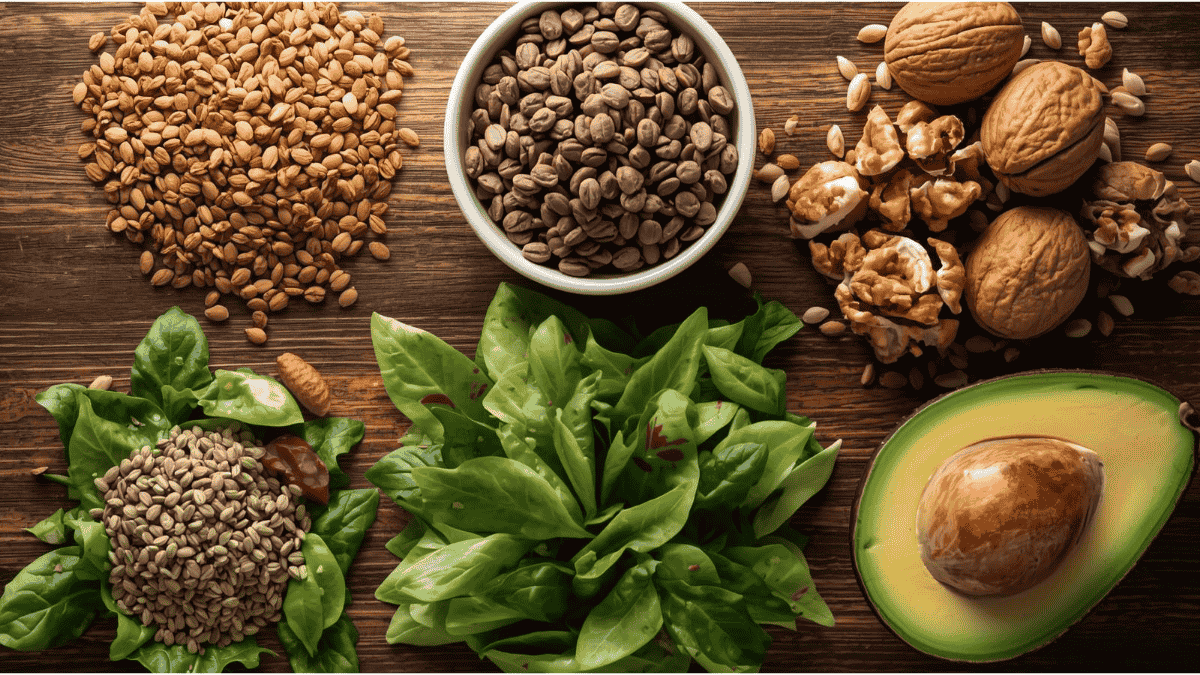
Sources: Pumpkin seeds, lentils, chickpeas, spinach, and red meat.
Pro Tip: Pair iron-rich foods with vitamin C for better absorption.
4. Eat Seasonal Fruits and Vegetables
Nature provides what your body needs for each season.
- In summer, watermelon and cucumber keep you hydrated.
- In monsoon, citrus fruits strengthen immunity.
- In winter, carrots and leafy greens provide vitamin A for cell repair.
Why it matters: Seasonal produce contains the right antioxidants to counter weather-specific stress.
5. Stay Hydrated
Dehydration weakens immune function by slowing lymphatic flow, which carries white blood cells throughout your body.
Hydration Tips:
- Drink 8–10 glasses of water daily.
- Include herbal teas (tulsi, ginger, chamomile) to flush toxins.
- Use a Water Intake Calculator to ensure you meet daily hydration goals.
6. Add Probiotic and Prebiotic Foods
Gut health and immunity are deeply connected. Around 70% of immune cells are located in your intestines.
Probiotics strengthen this defence system by promoting healthy bacteria.
Probiotic Foods: Yogurt, kefir, kimchi, and sauerkraut.
Prebiotic Foods: Garlic, onion, banana, and oats.
Study: A Mayo Clinic review confirmed that people who consume probiotic foods regularly experience fewer seasonal infections.
7. Get Enough Protein
Protein builds antibodies — your immune system’s “soldiers.” Without enough protein, your body struggles to repair and defend itself.
Sources: Eggs, fish, paneer, lentils, tofu, and nuts.
Tip: Include some protein in every meal.
8. Manage Stress Mindfully
Chronic stress releases cortisol, which suppresses immune function.
Practices like yoga, meditation, and deep breathing lower stress and boost resilience.
Scientific Insight: Studies published in Psychoneuroendocrinology show that mindfulness reduces inflammation and enhances immune cell activity.
9. Sleep: The Most Overlooked Immunity Booster
During sleep, your body produces cytokines that fight infection. Lack of sleep weakens your immune defence.
Recommendation: 7–8 hours of quality sleep each night.
Sleep Hygiene Tips: Avoid screens before bed, eat light dinners, and maintain a regular bedtime.
10. Include Herbal and Natural Remedies
Certain herbs have immune-boosting properties that have been validated by modern research.
- Tulsi (Holy Basil): Antibacterial and anti-inflammatory.
- Turmeric: Rich in curcumin, an immune-modulating compound.
- Ginger: Enhances circulation and fights inflammation.
- Ashwagandha: Reduces stress and strengthens resistance to illness.
Note: Always consult a doctor before using herbal supplements, especially if you take medication.
Lifestyle Habits That Support Immunity
- Exercise regularly: Boosts circulation and immune cell activity.
- Avoid smoking and excessive alcohol: They weaken immune defences.
- Practice hygiene: Wash hands frequently during seasonal shifts.
- Limit sugar intake: Excess sugar suppresses white blood cell response for several hours.
The Role of Micronutrients in Immune Strength
Your immune system relies heavily on micronutrients like vitamin D, zinc, selenium, and iron.
Deficiencies make you prone to infections and slower recovery.
Tip: Revisit [Day 46: The Role of Micronutrients in Daily Health] to understand which nutrients build a stronger immune foundation.
Sample Immunity-Boosting Meal Plan
| Meal | Example | Key Benefit |
|---|---|---|
| Breakfast | Oatmeal with banana and flaxseeds | Fiber + zinc |
| Snack | Amla juice or citrus fruit | Vitamin C |
| Lunch | Brown rice, dal, and spinach | Iron + folate |
| Evening Snack | Herbal tea with nuts | Antioxidants |
| Dinner | Grilled fish or tofu with vegetables | Protein + omega-3 |
| Before Bed | Turmeric milk | Anti-inflammatory |
Scientific Backing: What Research Says
- Harvard Medical School (2023): A balanced diet rich in micronutrients can enhance immune defence by up to 30%.
- WHO: Regular intake of seasonal fruits and probiotics helps reduce viral infections in transitional climates.
- Mayo Clinic: Daily physical activity and proper hydration are critical immune regulators.
Common Immunity Mistakes People Make
- Over-relying on supplements instead of real food.
- Skipping meals during busy routines.
- Neglecting sleep and hydration.
- Using antibiotics unnecessarily.
- Ignoring stress and emotional health.
Conclusion: Build Immunity, Not Dependency
True immunity isn’t built overnight or through pills; it’s cultivated daily through smart nutrition, movement, rest, and mindfulness.
As seasons change, your immune system can adapt beautifully if you feed it right. Prioritize fresh foods, balanced meals, hydration, and rest. Let nature’s rhythm guide your eating patterns.
As we move ahead to Sports Nutrition: Diet Plans for Athletes, we’ll explore how nutrition not only protects but powers performance.
Disclaimer
This article is for educational purposes only and does not replace professional medical advice. If you have chronic health conditions or frequent infections, consult a healthcare provider or registered dietitian.
30 FAQs About Strengthening Immunity Naturally
Q1. What weakens immunity during weather changes?
Lack of sleep, dehydration, and nutrient imbalance.
Q2. How can I strengthen my immunity naturally?
Eat balanced meals, hydrate, sleep well, and manage stress.
Q3. What are the top immune-boosting foods?
Citrus fruits, yogurt, turmeric, and leafy greens.
Q4. How long does it take to build immunity?
Consistent healthy habits show results in 4–6 weeks.
Q5. Can exercise improve immunity?
Yes, moderate activity enhances immune cell movement.
Q6. Should I take vitamin supplements?
Only if prescribed by a doctor.
Q7. What’s the best vitamin for immunity?
Vitamin C, D, and zinc are most effective.
Q8. Do probiotics boost immunity?
Yes, they improve gut and immune balance.
Q9. Can lack of sleep lower immunity?
Yes, it reduces cytokine production.
Q10. How does stress affect the immune system?
It releases cortisol, which suppresses defence cells.
Q11. Are herbal teas good for immunity?
Yes, ginger and tulsi teas have proven benefits.
Q12. Can sugar lower immunity?
Yes, excess sugar hampers white blood cell function.
Q13. Does sunlight help immunity?
Yes, it provides vitamin D.
Q14. Can dehydration cause illness?
Yes, it slows toxin removal.
Q15. What are the signs of weak immunity?
Frequent colds, fatigue, and poor wound healing.
Q16. Is sleep more important than supplements?
Yes, restorative sleep enhances immune activity.
Q17. Can children follow the same immunity diet?
Yes, with portion adjustments.
Q18. Can immunity improve with age?
Yes, through a consistent diet and exercise.
Q19. Are spices good for immunity?
Yes, turmeric, ginger, and cumin are anti-inflammatory.
Q20. What should I drink daily for better immunity?
Warm water, herbal teas, and fresh juices.
Q21. Can I boost immunity in one week?
Only short-term effects; long-term requires habit.
Q22. Are cold foods harmful in winter?
Not necessarily, but warm foods aid digestion.
Q23. Can probiotics cause side effects?
Mild gas initially; adjust dosage gradually.
Q24. What’s the role of exercise in immunity?
Improves circulation and lymphatic flow.
Q25. Can immunity help fight allergies?
Yes, a strong immune system reduces reactions.
Q26. Can meditation boost immunity?
Yes, it lowers stress hormones.
Q27. Are vaccines still needed?
Yes, immunity foods complement, not replace, vaccines.
Q28. Can seasonal fruits really prevent illness?
Yes, they provide antioxidants specific to the season.
Q29. Can too much vitamin C be harmful?
Yes, over 2,000 mg daily may cause discomfort.
Q30. What’s the fastest way to feel stronger?
Balanced diet, rest, hydration, and consistent sunlight.